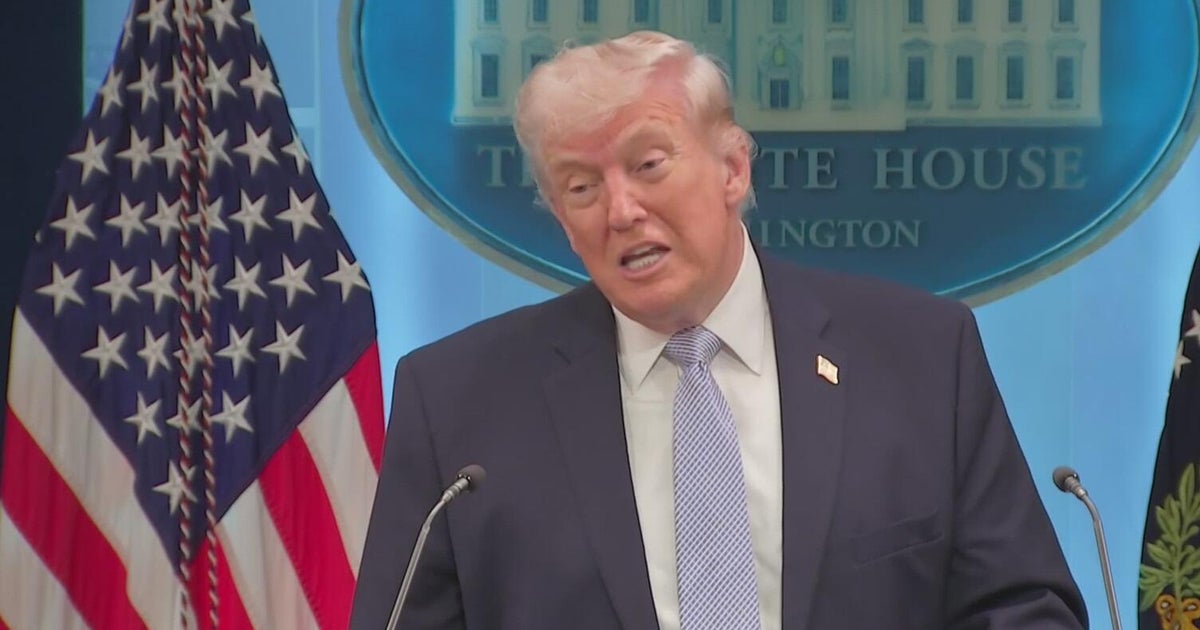
President Trump set an 8:00 p.m. ET deadline threatening Iran with "a whole civilization will die tonight," prompting Michigan faith leaders and three Democratic U.S. representatives to call for his removal under the 25th Amendment. Reps. Rashida Tlaib, Shri Thanedar and Debbie Dingell urged immediate congressional action, citing an elevated risk of executive overreach and potential escalation into broader conflict. This raises near-term geopolitical risk that could drive a risk-off market response—monitor safe-haven flows and energy prices and consider defensive positioning.
The market impact will be concentrated in chokepoint-dependent flows and politically sensitive corridors rather than broad economic fundamentals. Around 20% of seaborne crude transits the Strait of Hormuz; even a partial, temporary closure forces reroutes adding roughly 7–14 days to voyages, boosting bunker consumption and freight costs by an estimated 10–20% within weeks — a direct margin hit to integrated logistics and global container lines.
Defense prime contractors and energy producers are first-order beneficiaries: defense revenue re-rate quickly as backlog visibility increases, while a 5–10% effective supply shock in seaborne oil historically lifts Brent $10–25 within days to weeks before supply responses and SPR releases kick in. Insurance/reinsurance rates for tankers and risk premia on freight derivatives will reprice higher, creating durable incremental revenue for specialty insurers and brokers over a 3–12 month window.
Political-domestic fallout (invocation talk, Congressional intervention) amplifies volatility: expect near-term USD/Treasury safe-haven flows and equity risk-off across cyclical sectors for days-to-weeks, with credit spreads on lower-rated corporates widening if escalation persists beyond a week. Conversely, any credible diplomatic de-escalation or explicit SPR coordination could reverse commodity and defense moves within 7–21 days, producing sharp mean reversion.
The consensus playbook (buy defense, buy oil, buy gold) is directionally right but underestimates mean-reversion risk from coordinated policy actions. Positioning should therefore favor option-structured exposure and cross-asset hedges that monetize a directional shock while capping premium decay if the event de-escalates quickly.
AI-powered research, real-time alerts, and portfolio analytics for institutional investors.
Request DemoOverall Sentiment
strongly negative
Sentiment Score
-0.80
