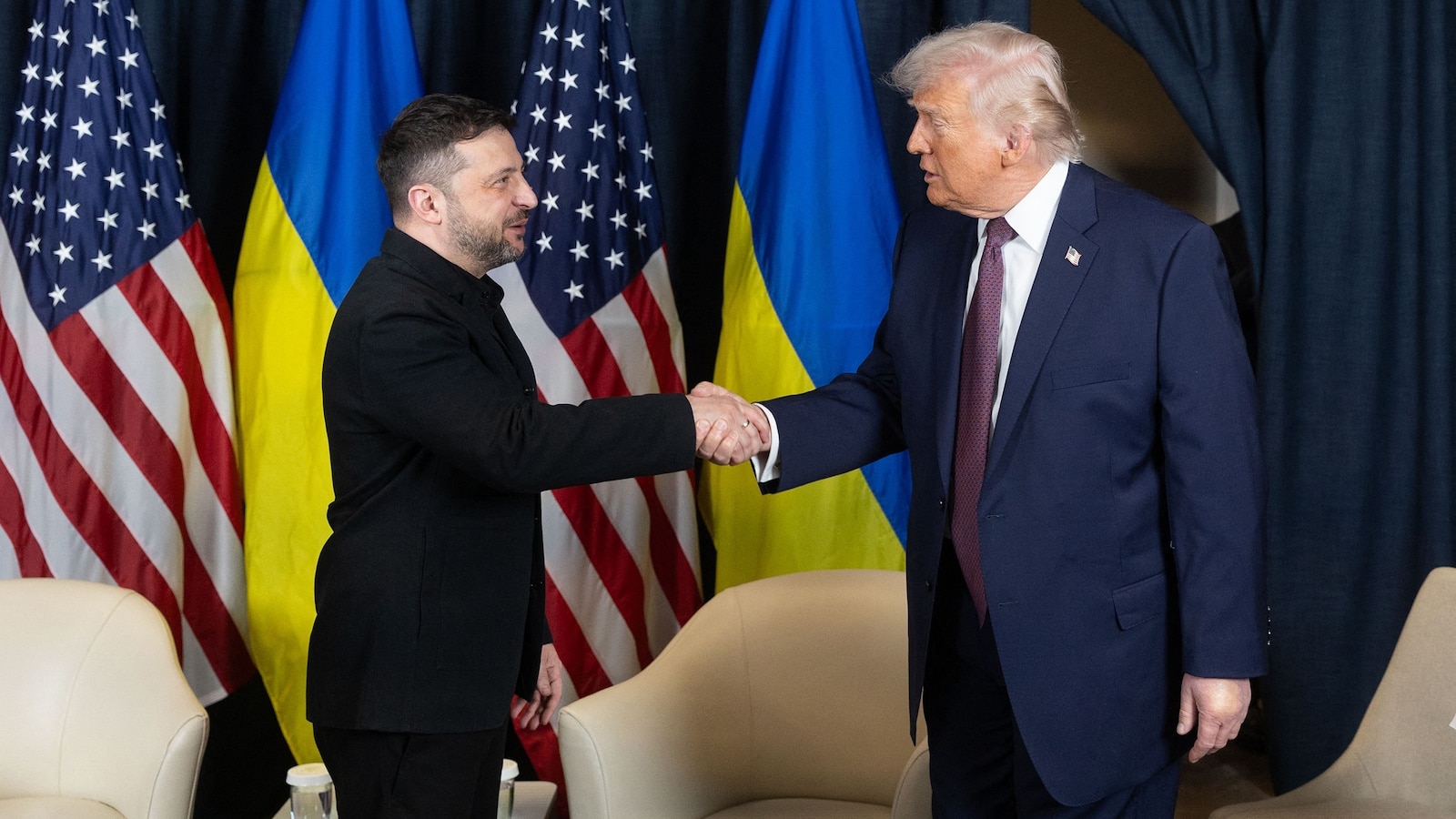
Ukraine, Russia and the United States are scheduled for trilateral talks in Abu Dhabi Friday and Saturday, Ukrainian President Volodymyr Zelenskyy said, calling on Russia to be prepared to make compromises. U.S. special envoy Steve Witkoff and Jared Kushner are meeting President Putin in Moscow ahead of the Abu Dhabi talks, and Witkoff said working groups in the UAE will focus on military-to-military issues and 'prosperity' — developments that, if they reduce escalation risk or yield concrete steps, could meaningfully affect risk sentiment and geopolitical risk premia.
Market structure: A credible US-Russia-Ukraine trilateral channel reduces immediate tail risk from kinetic escalation and should favor cyclical risk assets (European equities, EM) while pressuring defense contractors and energy-risk premia. Expect 5-15% re-rating potential over 1–3 months for names whose valuations embed prolonged war risk (aerospace & defense ETFs like ITA and large caps LMT/RTX/GD). Normalization would incrementally restore Russian commodity supply dynamics (oil, wheat, fertilizer) pushing down spot and forward spreads by mid-single-digit percentages over 3–6 months if sanctions ease.
Risk assessment: Low-probability outcomes include talks collapsing or covert escalation — these would spike Brent >$15 (~20%) in days and re-price credit and shipping insurance; probability ~20% near-term. Immediate window (48–96 hours) is highest volatility; 2–12 week window is where repositioning happens; structural effects on trade flows and sanctions could take 3–12+ months. Hidden dependencies: US election politics, timing of sanction relief, insurance/GLS reinstatements, and banking de-risking chains that could delay any real flow normalization.
Trade implications: Tactically reduce defense long exposure and buy energy downside protection; rotate into European cyclicals and EM exporters. Bond/FX: expect yields to rise modestly (10–30bps) on risk-on; sell gold/long-duration duration (TLT) as hedge trimming. Use short-dated options (1–3 month) to express views and size at 1–3% of portfolio to limit policy execution risk.
Contrarian angles: Market may underprice persistent sanction frictions — normalization could be partial for 6–12 months, so a full unwind of defense premia may be overshot. Historical parallels (post-Minsk/ceasefire optimism) show back-and-forth; therefore favor option-structured trades over outright shorts and keep tail hedges active in case negotiations fail or sanctions snapback occurs.
AI-powered research, real-time alerts, and portfolio analytics for institutional investors.
Request DemoOverall Sentiment
mildly positive
Sentiment Score
0.12
