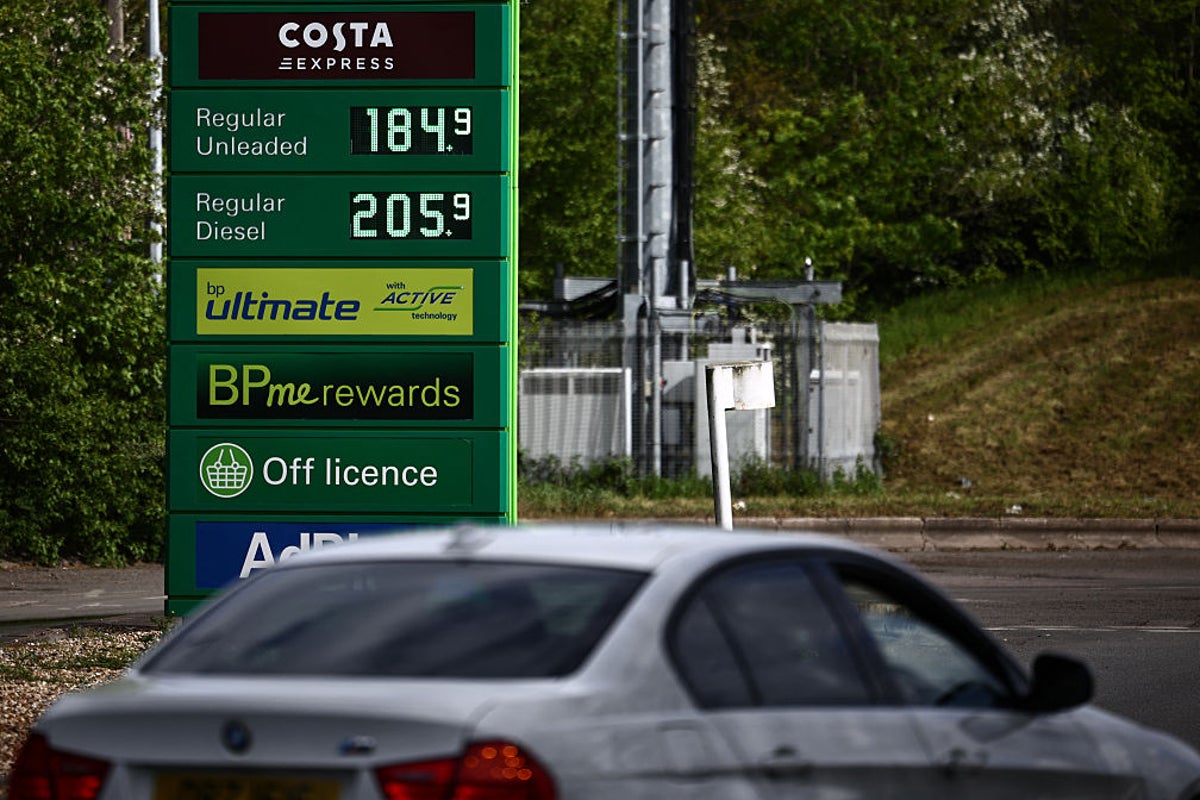
The UK has relaxed sanctions to allow jet fuel and diesel refined in third countries from Russian crude, with the new trade licence allowing imports indefinitely and subject to periodic review. The move reflects surging fuel costs, as UK petrol prices hit 158.5p per litre, the highest since December 2022 and above the prior 158.3p peak during the Iran crisis. Politically, the decision has drawn sharp criticism from opposition figures, but it is likely to have broader implications for energy markets and sanctions policy.
The immediate market effect is not the headline politics, it is the normalization of a higher-cost import mix for refined products. By allowing third-country refined diesel and jet into the UK, policymakers are effectively putting a soft floor under fuel availability, which should compress the near-term risk premium in UK road fuels while leaving consumers exposed to a slower, stickier pass-through if crude spikes again. The second-order winner is the refining arbitrage chain: non-Russian crude-to-product flows via the Middle East, India, and Mediterranean hubs become more valuable when sanctions are selectively relaxed, while pure-play domestic upstream names do not automatically benefit because the policy signal is about demand protection, not supply expansion. The bigger macro read-through is that energy security is now subordinating sanctions coherence, which increases the probability of more ad hoc carve-outs across Europe if gasoline and jet spreads stay elevated. That is bullish for integrated refiners and tanker utilization over the next 1-3 months, because trade routes lengthen and product sourcing becomes more fragmented. It is bearish for UK consumer discretionary and transport margins if fuel prices remain near current levels, since the political impulse will likely shift to taxes and regulation rather than demand destruction — meaning price relief may be delayed even if crude eases. The contrarian point is that this may be less oil-bullish than it looks: a sanctions relaxation that reduces product scarcity can actually cap diesel and jet cracks even while headline crude stays firm. If Middle East risk premium fades, the UK decision becomes a marginal bearish input for European refining margins, especially in diesel-heavy complex refineries that were benefiting from tight product balances. The key catalyst to watch is whether other G7 governments follow with similar waivers over the next 30-60 days; that would turn a UK-specific exception into a broader normalization of Russian-origin product flows and weaken the long-refining trade.
AI-powered research, real-time alerts, and portfolio analytics for institutional investors.
Request DemoOverall Sentiment
mildly negative
Sentiment Score
-0.25
