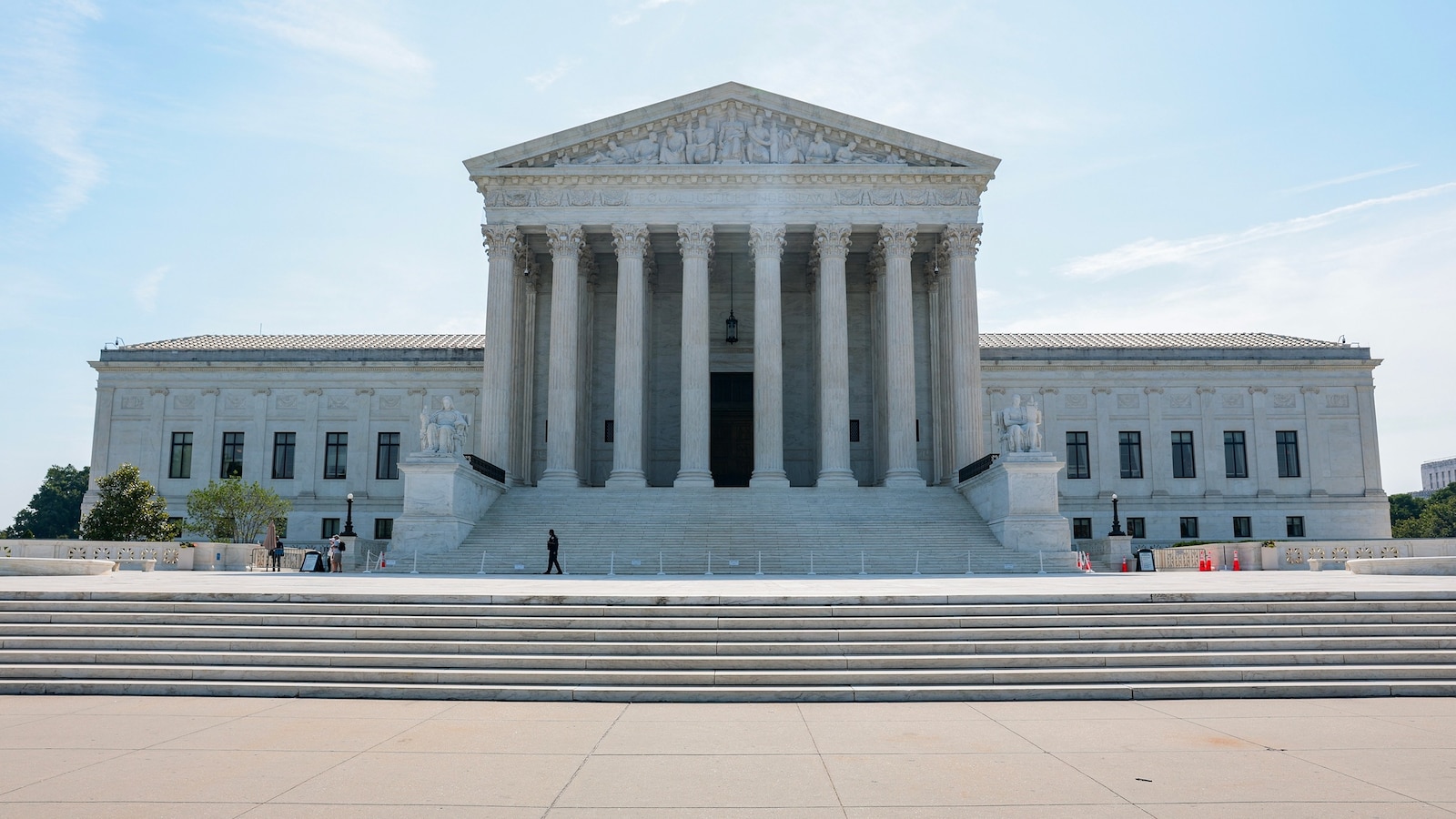
The Supreme Court struck down Hawaii’s law restricting firearms on private property open to the public unless owners give express consent, in a 6-3 ruling that could invalidate similar laws in California, Maryland, New York, and New Jersey. The decision shifts the default to allowing lawful gun carry unless property owners post prohibitions, a setback for gun control advocates and a meaningful legal/regulatory change for affected states and venues. The ruling is likely to influence public-safety policy debates and could have broader implications for future firearms legislation.
The near-term market impact is less about a direct earnings read-through and more about a structural repricing of “access friction” across categories that depend on open-to-the-public venues. The biggest second-order winner is the ecosystem around concealed carry adoption—holster makers, safe-storage, and permit/training services—because the ruling lowers the behavioral cost of daily carry and should incrementally raise attachment rates over the next 2-4 quarters. For BRC specifically, the direct beta is muted in the data, but the ruling still matters by reinforcing a longer-duration normalization of firearm carry culture rather than an immediate volume catalyst. The more important loser is the regulatory premium embedded in gun control-friendly jurisdictions: retailers, hospitality, and entertainment operators in those states now face a patchwork compliance burden that shifts them from passive beneficiaries of “no guns unless allowed” to active enforcers of signage and policy. That creates a modest but real operating cost and liability risk, especially for regional chains with thin margins and inconsistent store-level execution. Over months, expect insurers and landlords to pressure tenants to adopt standardized firearms policies, which may create a compliance-services niche but also increase friction for small operators. The contrarian takeaway is that the ruling may be less bullish for broad gun equities than headline readers assume. If lawful carry becomes more normalized and more politically settled, the market may actually compress the volatility premium that occasionally supports speculative spikes in the space. In other words, this is a medium-term normalization event, not necessarily a demand shock; the actionable edge is in secondary beneficiaries and in short-dated event volatility rather than outright directional conviction. Tail risk runs through local legislative backlash and litigation that could reintroduce uncertainty via signage standards, trespass enforcement, and venue-specific rules, but that is a 6-18 month process rather than a same-week trade. The cleaner catalyst is additional state-level noncompliance or municipal guidance that exposes where enforcement is weak, which would favor firms selling secure storage, carry accessories, and compliance-adjacent products over headline gun OEMs.
AI-powered research, real-time alerts, and portfolio analytics for institutional investors.
Request DemoOverall Sentiment
mildly negative
Sentiment Score
-0.25
Ticker Sentiment
