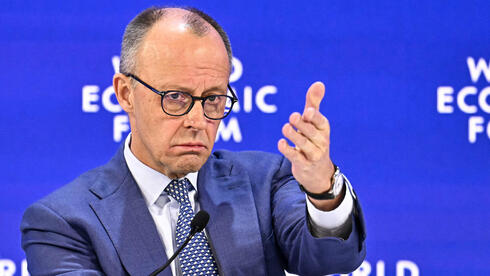
AfD is polling around 28%, tying Merz’s bloc from last year’s election and marking its highest support on record, while the CDU/CSU has slipped below 25% and the SPD under 15%. The coalition’s year in office has been hurt by infighting and a sluggish economy, and only 16% of Germans are satisfied with the government. The political drift toward the far right raises policy uncertainty, but the immediate market impact is likely limited and more indirect.
The market implication is less about a single German election and more about a growing probability of policy gridlock in Europe’s largest economy. That tends to compress domestic cyclicals’ valuation multiples before it shows up in earnings, because investors pay up for stable policy, labor, and fiscal visibility; when those disappear, the discount rate rises even if headline GDP only deteriorates modestly. The first-order losers are German domestic demand proxies, but the second-order effect is broader: weaker confidence in Berlin usually translates into delayed capex, slower permitting, and more cautious bank lending across the DACH industrial ecosystem. A more important second-order risk is that a durable far-right lead makes coalition math harder, not easier, which raises the odds of snap elections or a weaker governing mandate within 6-18 months. That matters for European assets because policy paralysis in Germany often spills into the EU agenda on defense, industrial subsidies, migration, and fiscal rules, all of which are needed to offset the region’s weak growth mix. If markets start pricing less reform capacity, the euro and German mid-caps should underperform even without an outright recession. The contrarian angle is that investor positioning may still be too anchored to the idea that anti-establishment gains are pure protest and therefore fade. Once a party becomes the durable protest vehicle, the tradable risk shifts from vote-share volatility to institutional underinvestment: companies defer hiring and capex because the policy regime looks less predictable. That creates a slower-burn earnings headwind that is often underappreciated until the next PMI or business survey miss. Catalyst-wise, the next 1-3 months matter more for positioning than the full electoral cycle: any visible coalition fracture, labor unrest, or weak industrial data can accelerate the move. The upside reversal would require a credible fiscal-growth package or a meaningful improvement in real incomes; absent that, the path of least resistance is continued risk premia expansion in Germany-sensitive assets.
AI-powered research, real-time alerts, and portfolio analytics for institutional investors.
Request DemoOverall Sentiment
moderately negative
Sentiment Score
-0.35
