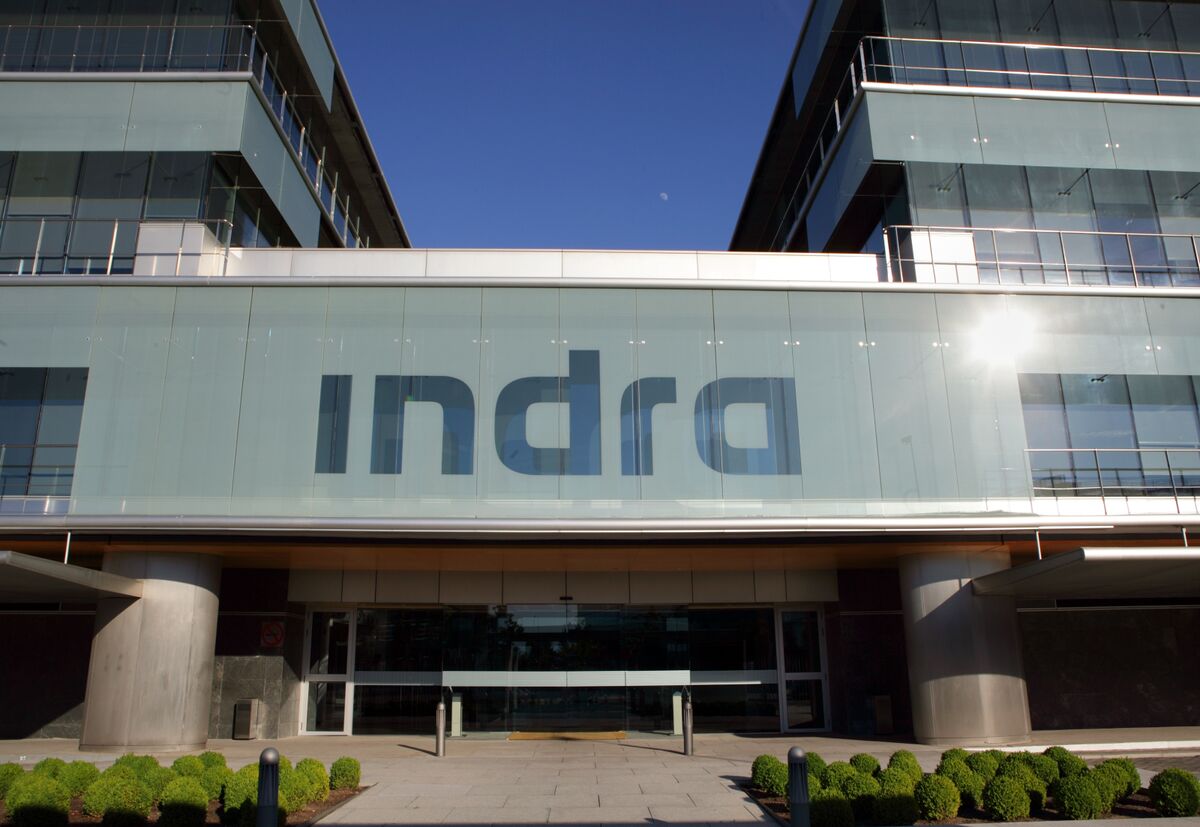
Indra appointed Ángel Simón, 68, as non-executive chairman following a dispute with the Spanish government that prompted the exit of predecessor Ángel Escribano. Simón, a veteran executive now at Criteria Caixa who led water firm Agbar for over a decade, will be Indra’s fourth chairman in five years, highlighting governance turnover that may concern investors though no immediate financial impact was reported.
A governance reset at a politically exposed engineering/defense integrator typically removes a 100–200bp political-risk premium within 3–12 months, which mechanically compresses the company’s WACC and can add roughly 8–15% to enterprise value absent operational change. The main channel is lower discounting of long-term backlog and improved visibility on public tender outcomes; expect the clearest earnings re-rating to occur around the next major contract awards (3–9 months) and any near-term refinance dates (6–18 months).
Second-order winners include domestic Tier-1 suppliers and systems integrators whose working capital and order book visibility improve if procurement pipelines restart — bank funding spreads on supplier receivables have historically tightened 25–75bps after similar political risk normalization. Conversely, international primes that had been priced for a ‘‘safe-haven’’ status in European defense (e.g., Leonardo, Thales) may see near-term margin pressure if the domestic player regains competitive footing in tenders. Expect M&A/asset-sale optionality to surface: a chair with investment-group background typically accelerates portfolio pruning and could crystallize 1–2 years of incremental free cash flow via disposals within 6–18 months.
Tail risks are concentrated and binary: cosmetic board changes without shifts in government influence will leave the risk premium intact, while a renewed political dispute or an adverse election outcome within 12–24 months could widen spreads sharply. Key catalysts to watch are formal board-level strategy releases, upcoming debt maturities/refinancing negotiations, and the calendar for major public tenders — any of which can flip sentiment rapidly over days to weeks.
AI-powered research, real-time alerts, and portfolio analytics for institutional investors.
Request DemoOverall Sentiment
neutral
Sentiment Score
0.00
