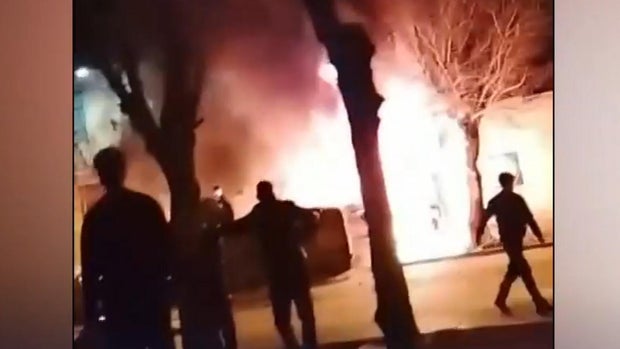
President Trump warned via social media that the United States would intervene if Iranian security forces 'violently kill peaceful protesters,' saying U.S. forces are 'locked and loaded,' after days of unrest over dire economic conditions and hyperinflation tied to Western sanctions. Iranian officials issued stern retaliatory rhetoric, warning any intervention would spread chaos and threaten U.S. interests; the exchange follows June strikes on Iran's nuclear facilities and raises the risk of regional escalation. Hedge funds should monitor potential impacts on oil markets, defense contractors and emerging‑market risk premia, as heightened geopolitical tension could drive short-term volatility across energy, EM FX and regional sovereign risk.
Market structure: Immediate winners would be U.S. defense primes (LMT, RTX, NOC) and commodity safe-havens (Brent oil, GLD, selective hard-currency FX like USD, CHF) as risk-off flows bid safety and potential supply-risk premia; losers are EM equities (EEM), regional airlines, tourism/insurers and reinsurance names. An Iran-related supply shock of 0.5–2.0 mbpd (~0.5–2% of global oil supply) could lift Brent by $5–$20/bbl within days, shifting near-term pricing power to integrated oil majors and shipping/insurance providers.
Risk assessment: Tail risks include a direct U.S.–Iran military exchange or attacks on Gulf transit (low probability but high impact) that could push oil >$120–140/bbl and trigger widespread EM FX stress; timeline: market shock in days, sustained sanctions and rerouting effects over months, structural energy realignments over years. Hidden dependencies include insurance premiums, tanker routing delays, and Russian/Chinese opportunistic buying; catalysts are a U.S. strike, hostage incident, or rapid regime collapse.
Trade implications: Tactical plays should front-run volatility: buy tail-cost-limited oil/energy and defense exposure for 3–6 months, hedge EM beta for 1–3 months, and increase cash/UST-duration ballast. Use options to control downside—favor 1–3 month call spreads on energy and 3–6 month call purchases on defense names rather than outright leverage.
Contrarian angles: Consensus may overstate U.S. intervention likelihood—historical parallels (2019 tanker incidents, 2022 protests) show supply spikes are often brief (2–6 weeks); if Iran suppresses protests without regional escalation, energy and defense rallies will mean-revert. Unintended consequences include tighter Western sanctions benefiting non-Western suppliers (Russia, Iran shadow exports) and temporary windfalls for commodity/resource equities rather than sustainable earnings upgrades.
AI-powered research, real-time alerts, and portfolio analytics for institutional investors.
Request DemoOverall Sentiment
moderately negative
Sentiment Score
-0.50
