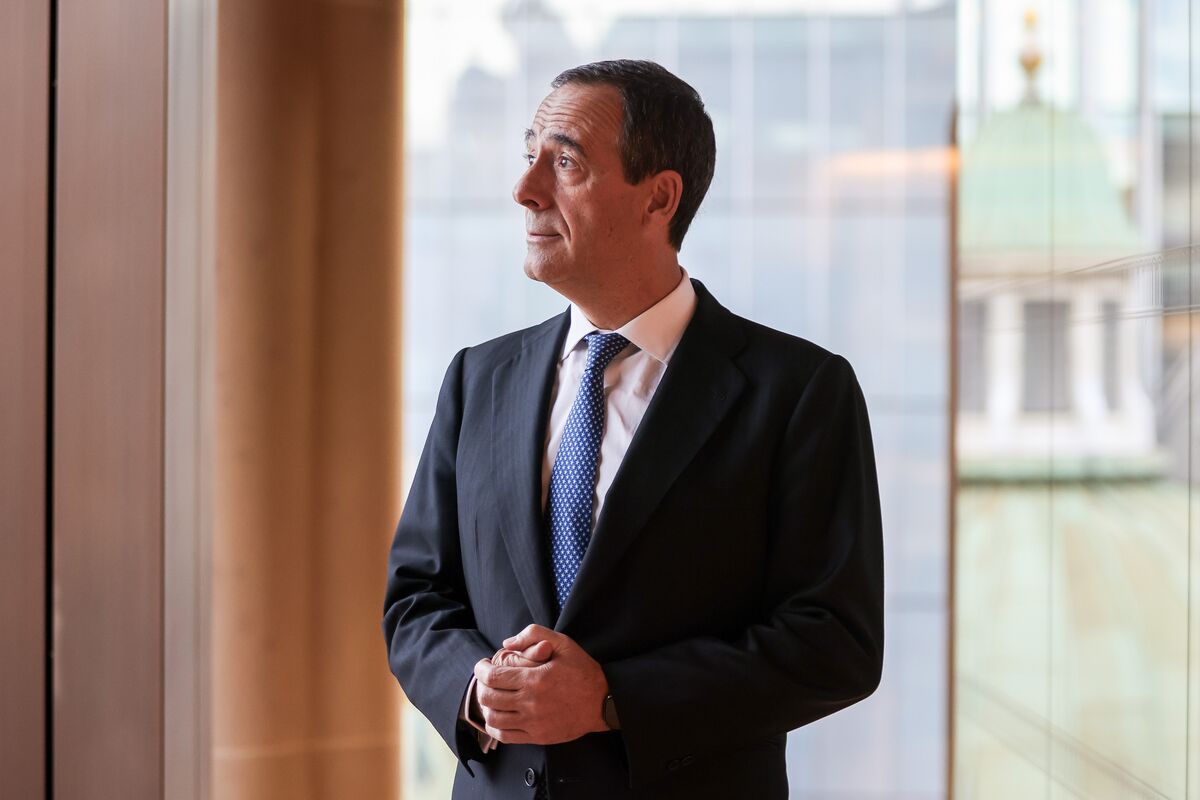
CaixaBank CEO Gonzalo Gortazar characterized the current EU-US trade deal as "the lesser evil," citing its role in preventing a wider conflict. While acknowledging the deal "is what it is," he stressed the critical importance of the EU developing "strategic autonomy" to secure more advantageous agreements with the US in the future. This commentary highlights the complex geopolitical considerations influencing transatlantic trade relations and the EU's long-term strategic objectives.
The CEO of CaixaBank, Gonzalo Gortazar, has framed the current EU-US trade deal as a pragmatic but suboptimal arrangement, terming it "the lesser evil." This characterization, supported by a moderately negative sentiment score (-0.5), suggests the deal's primary value is geopolitical, serving to prevent a wider trade conflict rather than offering ideal economic terms for the European Union. Gortazar's assertion that the deal "is what it is" underscores a reluctant acceptance of the current terms. The core of his message is a forward-looking call for the EU to develop "strategic autonomy," a long-term objective aimed at strengthening its negotiating position for future agreements with the US over a three to ten-year horizon. This perspective from a leading European banker highlights that the financial sector views the transatlantic relationship through a lens of cautious stability, prioritizing conflict avoidance while aspiring to a more advantageous partnership in the future.
AI-powered research, real-time alerts, and portfolio analytics for institutional investors.
Request DemoOverall Sentiment
moderately negative
Sentiment Score
-0.50
