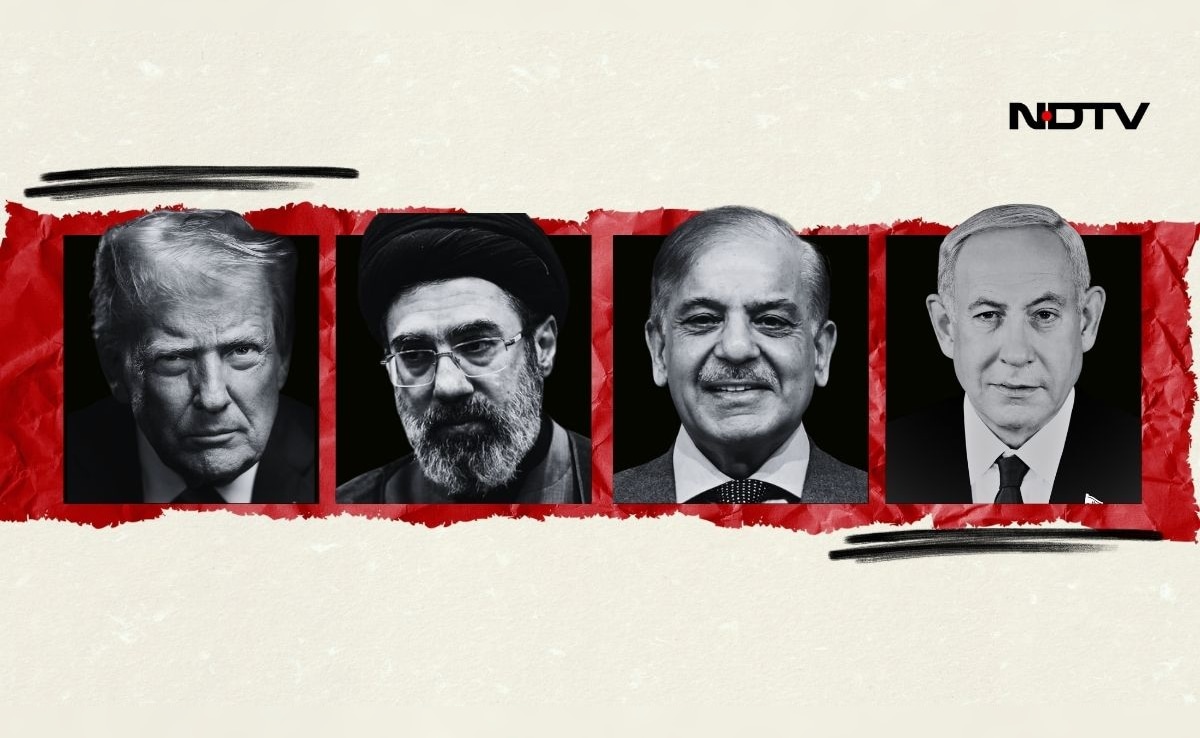
Ceasefire in West Asia: the article argues Iran is the clear strategic winner while U.S. influence is weakened and Saudi Arabia is exposed, with Netanyahu politically damaged. Market implications are higher and persistent oil-price volatility and shipping premia as control over the Strait of Hormuz becomes a durable Iranian lever, raising energy-security risk premia for Gulf-linked assets. Diplomatic gains for China and Pakistan strengthen their regional roles; investors should adopt a risk-off stance, reassess exposure to Gulf counterparties, and consider increased sensitivity to energy and defense sectors.
Market pricing has likely re-allocated a persistent risk premium into energy, insurance and defense markets that will not evaporate quickly. If shipping insurance and freight differentials widen by the historical range seen during Hormuz disruptions (roughly +$2–$6/bbl equivalent impact on delivered oil costs), expect crude volatility to remain elevated for 3–12 months and refining margins to oscillate as cargoes reroute and trade lanes reconfigure.
Financial flows into Gulf assets face a two-way squeeze: higher defense and hard-infrastructure capex (we model a 10–20% step-up in Saudi/UAE defense orders over 12–24 months) and a simultaneous pullback in cross-border portfolio capital while investors reprice geopolitical tail risk. That creates tactical opportunities in listed defense primes, regional banks with sovereign ties (higher credit spreads), and asset classes that benefit from safe-haven demand.
China’s quietly reinforced role as an energy backstop is an underpriced structural change — Beijing can monetize that influence via long-term contracts and preferential shipping arrangements, reducing marginal upside for a sustained global oil price spike but increasing downside protection for Chinese importers. This bifurcation means the peak oil price on a new shock may be lower than historical analogs, while tail-risk insurance (premia and volatility) commands a permanently higher floor.
Against consensus momentum trades, the biggest reversal catalyst is rapid diplomatic normalization that restores credible external guarantees (6–18 months under an aggressive diplomatic push) or a coordinated, large strategic oil release that removes near-term scarcity signals. Those pathways are lower-probability but high-impact and should shape position sizing and hedges.
AI-powered research, real-time alerts, and portfolio analytics for institutional investors.
Request DemoOverall Sentiment
moderately negative
Sentiment Score
-0.45
