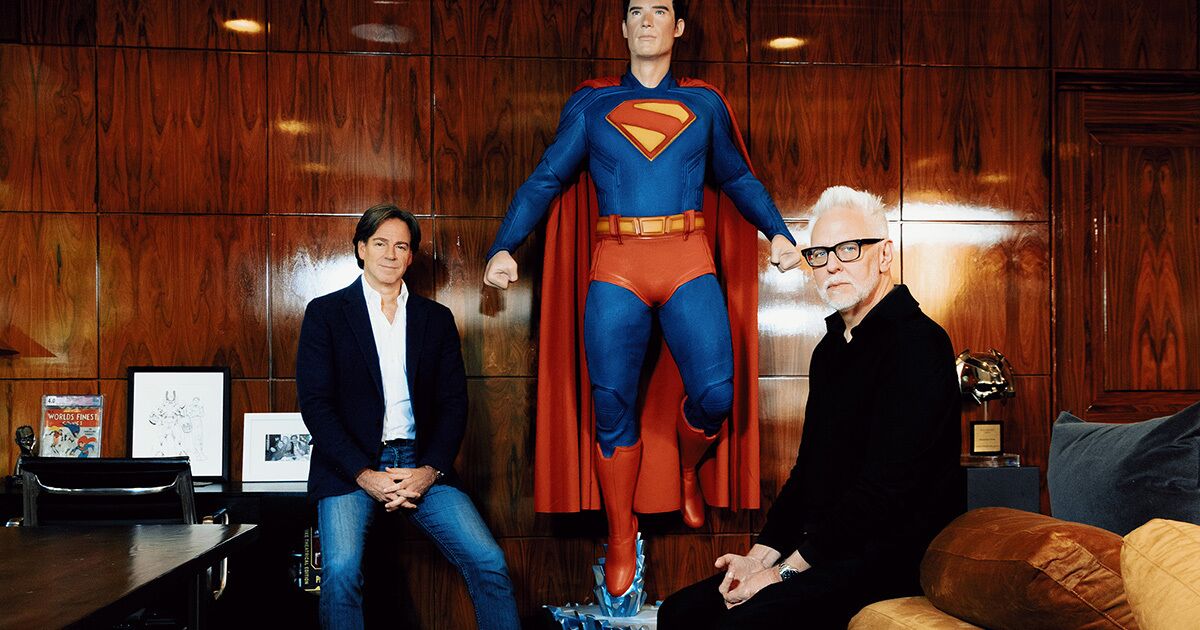
DC Studios co-heads Peter Safran and James Gunn are executing an aggressive content slate that began with Superman in July and includes Supergirl and Clayface next year, a second season of The Penguin, a Gorilla Grodd true-crime series, and sequels to Superman and The Batman slated for 2027. Principal production milestones: Gunn begins shooting the new Superman in April and Matt Reeves starts filming the new Batman in May, signaling a steady pipeline of monetizable IP that presents distribution and licensing opportunities for streamers and content partners.
Market structure: A successful DC Studios reboot shifts economic value back to IP owners (WBD) and merch/licensing partners while raising bidding pressure for premium superhero windows. Netflix (NFLX) is a potential winner only if it secures secondary/territorial licensing, co-productions or spin-offs — expect meaningful events around trailers/releases over the next 3–18 months (Supergirl/Clayface next year; Batman/Superman sequels in 2027). Broader winners: toy/licensing peers and global SVOD platforms vying for differentiated IP; losers: pure-play ad/aggregation services with weak exclusive catalogs.
Risk assessment: Tail risks include production delays, WGA/AGS strikes, franchise flops, or WBD vertically integrating content exclusively to Max, any of which could remove Netflix upside; assign 10–25% probability to meaningful negative outcomes within 12 months. Near-term (days–weeks): implied vol and sentiment will move around casting/trailer drops; short-term (months): licensing negotiations and subscriber impacts; long-term (2–4 years): franchise monetization (theatrical + streaming + merchandise) determines balance-sheet and covenant risk for WBD.
Trade implications: Direct play — small, event-driven exposure to NFLX (size 1–3% of equity risk) ahead of content-window announcements; hedge with options to cap downside. Relative-value — long WBD (if you believe in in-house capture) vs short/underweight Disney (DIS) or other weaker-IP platforms for 12–36 months. Use 3–9 month call spreads around trailer releases to buy optionality and sell into post-release exuberance.
Contrarian angles: Consensus may overvalue Netflix’s ability to monetize DC IP — WBD has strong incentive to retain exclusivity, so market may underprice WBD’s upside and overprice NFLX’s. Historical parallel: MCU’s lift to Disney+ took multiple coordinated hits (films + series); DC can underperform initially and still generate outsized long-term cash if WBD captures ancillary rights. Unintended consequence: rapid slate expansion risks brand fatigue and merchandise dilution, hitting per-title economics and licensing renewals.
AI-powered research, real-time alerts, and portfolio analytics for institutional investors.
Request DemoOverall Sentiment
mildly positive
Sentiment Score
0.35
Ticker Sentiment
