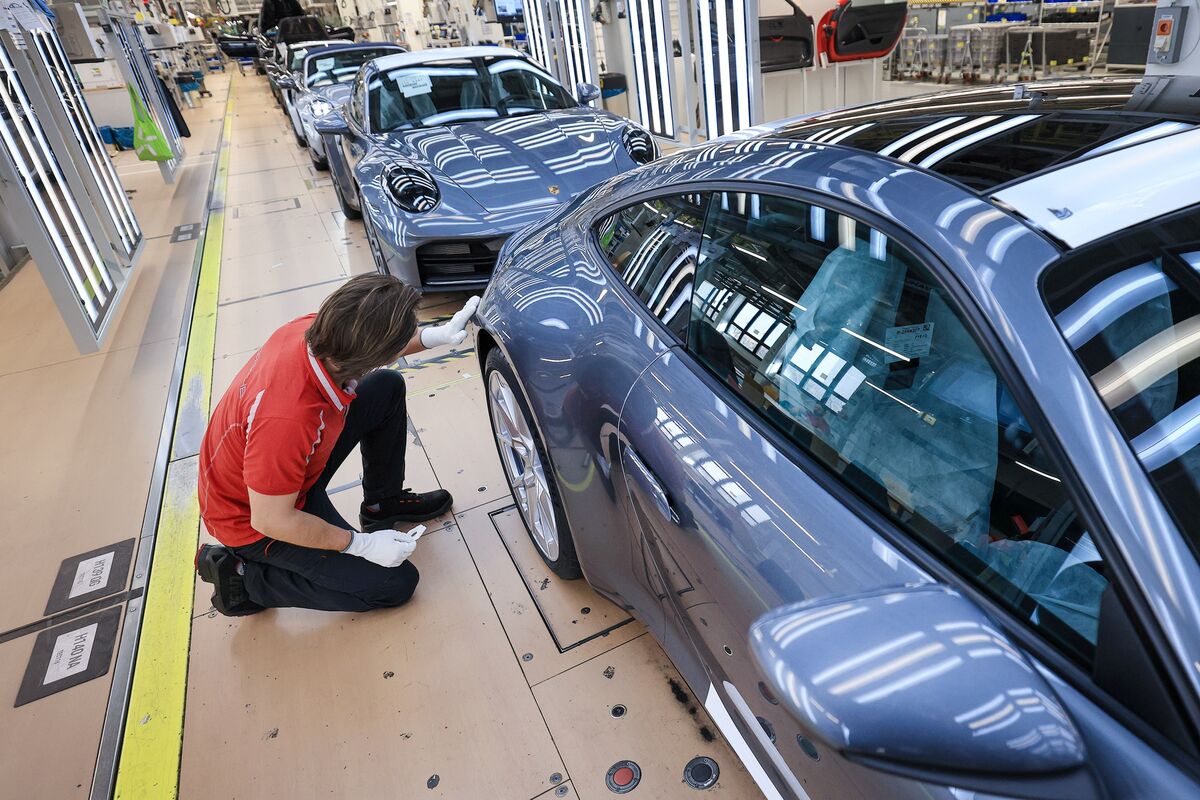
German factory orders rose 0.9% m/m in February following an 11.1% slump in January, missing the 3% Bloomberg median estimate; the series excluding large-scale orders increased 3.5%. The report predates the start of the Iran war, which the article flags as a downside risk that could derail Germany’s nascent recovery and pressure industrial demand and energy-sensitive sectors.
The underlying signal from the data is a divergence between headline volatility and steady small-ticket demand: domestic and maintenance-driven flows appear firmer even as lumpy large-cap orders remain tepid. That implies the near-term winners are SMEs and after-market suppliers (spare parts, field service, automation retrofit) whose revenue is recurring and less correlated with export cycles, while headline export champions face a higher probability of margin compression if an energy shock materializes.
Geopolitical tail risk (regional conflict) raises the odds of a positive shock to European gas and power prices over the coming weeks to months; a sustained jump would transmit quickly into industrial input costs and forced curtailments for energy-intensive producers. Mechanically, a 20–30% move higher in European gas benchmarks typically shows up as a 2–5% hit to gross margins for heavy manufacturers within 1–3 quarters and materially changes capex timing for OEMs with long production lead times.
Policy and market catalysts to watch are bilateral LNG rerouting, German/EU emergency gas releases or price caps, and ECB communications on rate-path changes — any of which can reverse market moves within 30–90 days. The busiest window for position pain/reward is the next 1–3 months: immediate energy repricing and logistics reroutes will decide which cyclicals reprice versus those that simply rebase structurally.
AI-powered research, real-time alerts, and portfolio analytics for institutional investors.
Overall Sentiment
mixed
Sentiment Score
0.00
