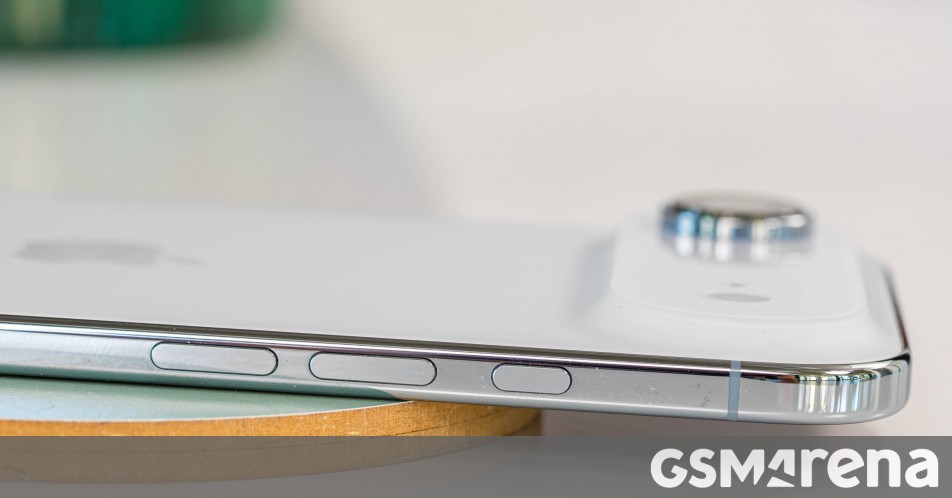
Weak demand for Apple's iPhone Air has reportedly led several Chinese rivals (Xiaomi, Oppo, vivo) to cancel planned ultra‑slim models, while suppliers Foxconn has scaled back iPhone production lines and Luxshare has halted iPhone assembly. The Air's designer has exited and a successor has been delayed, and Samsung is said to have cancelled a Galaxy S25 Edge follow‑up — developments that raise near‑term revenue and inventory risks for Apple, its supply chain partners and component vendors and could pressure sector growth and product roadmaps.
Market structure: Cancellation of ultra‑slim models is a negative shock to Chinese OEMs and component specialists (Luxshare 002475.SZ, Hon Hai/2317.TW, thin‑battery/chassis suppliers) and a short‑term demand drag for Apple's Air line. Less competitor supply can preserve Apple’s ASPs; expect a 1–3% unit volume miss for iPhone in the next quarter but a potential 0–2% uplift to ASP if competitors stay out of the segment for >2 quarters. Contract manufacturers face near‑term margin pressure from idle capacity and order volatility.
Risk assessment: Immediate (days–weeks) risks are inventory write‑downs and downward earnings guidance from suppliers; short‑term (1–3 months) risks include channel destocking and negative revisions to Apple’s production guidance; long‑term (3–12 months) risks include design delays, management turnover, or a successful rival comeback. Tail scenarios: Apple supply stoppage in China, Chinese regulatory crackdown on Luxshare/Foxconn, or a sudden competitor product that reignites demand could move shares +/-20–40%.
Trade implications: Favor tactical shorts in suppliers with direct production cuts (002475.SZ, 2317.TW) and hedged option plays on AAPL to monetize elevated event risk. Consider relative trades: long Apple services exposures vs short hardware OEMs; implied vol on AAPL will spike on any negative guidance — use defined‑risk spreads to capture it. Watch Apple’s next production guide and channel sell‑through data over the next 30–60 days as primary triggers.
Contrarian angles: Consensus focuses on demand weakness but underestimates supply consolidation benefits to Apple’s pricing power; if rivals stay out for two quarters, Apple could recoup share via higher ASPs and services margin expansion. If AAPL stock falls >12% on this news, that could be an asymmetric buying opportunity for a 6–18 month recovery trade (historical analogue: iPhone cycle pauses that preceded stronger refresh cycles).
AI-powered research, real-time alerts, and portfolio analytics for institutional investors.
Request DemoOverall Sentiment
moderately negative
Sentiment Score
-0.50
Ticker Sentiment
