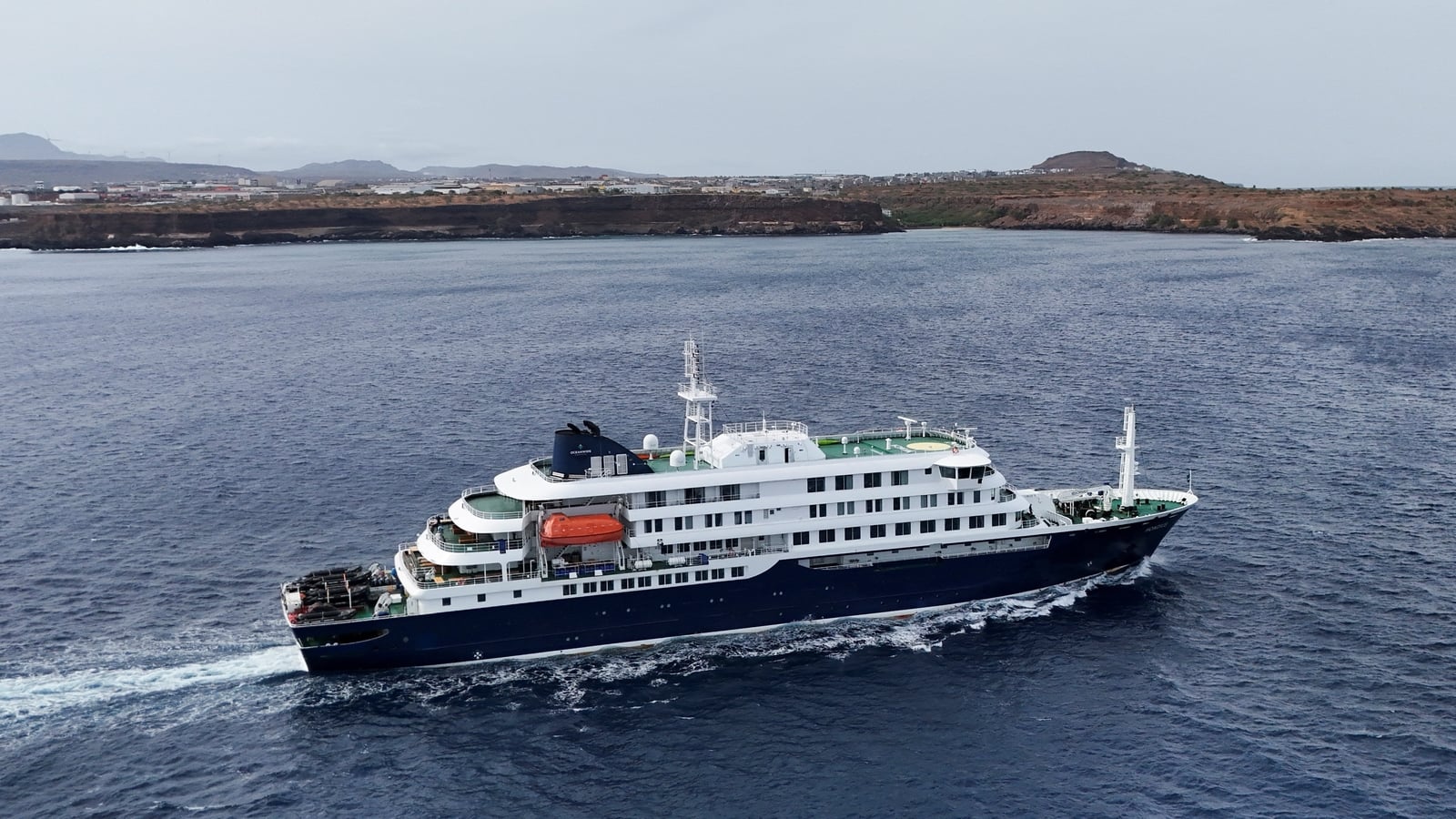
Five of eight suspected hantavirus cases linked to the MV Hondius have been confirmed, with three deaths reported and additional cases still possible due to the virus’s long incubation period. The WHO and ECDC say the public health risk remains low if containment measures hold, but countries are actively contact-tracing and preparing repatriation, quarantine, and medical assessments for passengers. The outbreak is disrupting cruise operations and elevating health scrutiny across several countries, though the broader market impact should remain contained.
This is a classic low-probability, high-friction bioevent: the direct economic hit is small, but the operational response is expensive and creates asymmetric headline risk for any travel-linked balance sheet. The most immediate beneficiaries are public-health logistics providers, lab/testing chains, and hospital systems with isolation capacity; the losers are cruise operators, marine insurers, and any regional travel corridors tied to repatriation and quarantine bottlenecks. Because the virus is not airborne and human-to-human spread is exceptional, the market will likely overestimate broad contagion risk in the first 3-7 days, then unwind as contact tracing narrows the scope.
The second-order risk is not the onboard case count; it is decision latency. Every additional evacuation, quarantine extension, or cross-border handoff increases the chance of a procedural failure that turns a contained incident into a reputational event for the operator and regulators. That matters for cruise stocks because the sector still trades on consumer confidence elasticity: even a short-lived scare can pressure forward bookings, onboard spend assumptions, and insurance renewals, while the actual medical cost remains immaterial. Transportation names with exposure to discretionary leisure traffic are the most vulnerable over the next 1-4 weeks.
The contrarian setup is that the market may fade this too quickly for the wrong reason. If authorities execute cleanly, the absence of spread could become a bullish read-through for the broader cruise complex, because it reinforces that post-boarding surveillance and isolation protocols can cap downside from rare infectious events. The key catalyst to watch is whether any secondary cases emerge among crew, medical transport staff, or close contacts over the incubation window; that would extend the trade from days into months and shift the story from operational nuisance to regulatory tightening.
AI-powered research, real-time alerts, and portfolio analytics for institutional investors.
Request DemoOverall Sentiment
moderately negative
Sentiment Score
-0.45
Ticker Sentiment
