The Department of Energy (DOE) has directed the Federal Energy Regulatory Commission (FERC) to initiate rulemaking asserting federal jurisdiction over the interconnection of large electricity loads (over 20 MW) directly to the interstate transmission system. This unprecedented move, driven by surging demand from AI and manufacturing, aims to rapidly accelerate grid integration and establish uniform standards, marking a significant expansion of FERC's traditional authority. While current FERC commissioners are expected to support the proposal, it faces potential legal challenges from investor-owned utilities and raises concerns among former regulators regarding states' rights, grid reliability, and cost allocation, signaling a contentious but critical debate over future power infrastructure development.
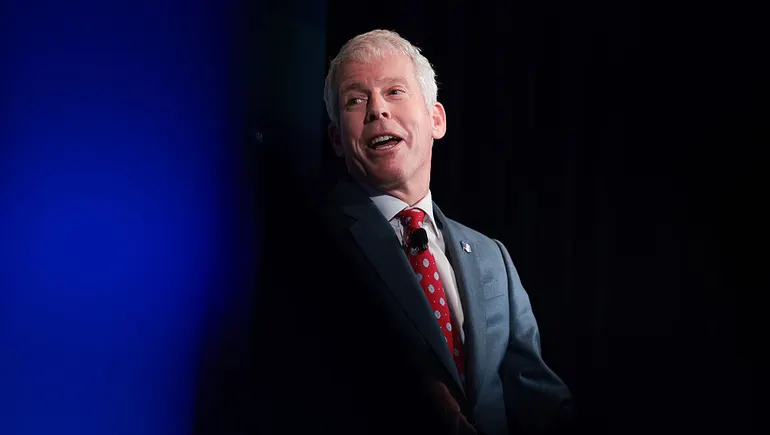
The Department of Energy (DOE) has directed the Federal Energy Regulatory Commission (FERC) to initiate rulemaking asserting federal jurisdiction over large electricity load interconnections (exceeding 20 MW) directly to the interstate transmission system. This unprecedented move, driven by "unprecedented and extraordinary quantities of electricity" for AI and manufacturing, aims to accelerate grid integration and establish uniform standards. Secretary of Energy Chris Wright views this as squarely within FERC's jurisdiction and in the public interest.
This proposal marks a significant expansion of FERC's traditional authority, which historically has not overseen load interconnections. While strategy firm Capstone DC anticipates FERC will publish the rule, citing likely support from current commissioners, the DOE has requested final action by April 30, 2026.
However, the initiative faces substantial opposition and legal challenges, particularly concerning states' rights and potential federal overreach. Former FERC Chair Mark Christie questioned grid reliability impacts, cost allocation to residential customers, and the "unprecedented expansion of federal control." Investor-owned utilities are "very likely to object" to the DOE's interpretation, with NRG's VP of Regulatory Affairs anticipating utility opposition to retain "gatekeeper status."
The contentious debate, characterized by legal complexities and jurisdictional disputes, will significantly influence future power infrastructure development and the operational landscape for utilities and large energy consumers. The proposed rule's principles, including standardized study deposits and expedited studies for flexible loads, present both opportunities and challenges for market participants.
AI-powered research, real-time alerts, and portfolio analytics for institutional investors.
Request DemoOverall Sentiment
mixed
Sentiment Score
0.10
Ticker Sentiment
