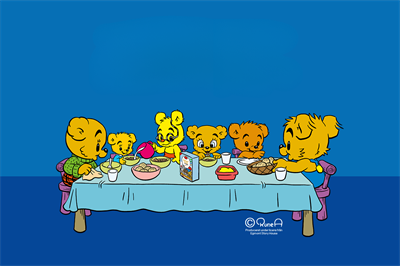
Lantmännen’s AXA brand has entered a licensing collaboration with Story House Egmont to relabel AXA’s Natural Oat Rings as Bamse’s Oat Rings from 2026, timed to the Bamse character’s 60th anniversary and featuring new packaging. The product will keep the Swedish 'Nyckelhålsmärkt' nutrition label and aims to improve shelf recognition among families; while the tie-up may support incremental sales and brand visibility, it is unlikely to materially affect Lantmännen’s overall financials (the cooperative reports ~SEK 70 billion annual turnover).
Market structure: This is a low-systemic but positive SKU-level intervention — winners are Lantmännen (AXA brand) and Story House Egmont via licensing fees, plus Swedish retailers (ICA/AXFO shelf uplift); expect a modest 1–3% volume lift for the AXA oat-rings SKU and a possible 0–1% realized price premium from branded packaging over 12–24 months. Competitive dynamics: rivals in the kids/snack cereal segment may cede 50–200 bps of category share locally if listing/promotions succeed; pricing power change is minimal at category level but strong for shelf-visibility-led SKUs. Commodity/supply signal: no meaningful change to global oats markets (<0.1% incremental demand); cross-asset impact is muted — small positive for Nordic food equities (1–3% potential upside) and immaterial for FX, bonds, or commodities.
Risk assessment: Tail risks include regulatory scrutiny on marketing to children (policy change within 6–18 months), licensing disputes, or higher-than-expected packaging CAPEX compressing margins by 50–150 bps. Timing: immediate reaction is negligible; short-term (weeks–months) depends on retailer listings and POS promotion, long-term (12–36 months) depends on repeat purchase and cross-sell into other AXA SKUs. Hidden dependencies: slotting fees, retailer co-op funding, and supply-chain lead times for new packaging could delay ROI by 3–9 months. Catalysts: Bamse 60th-anniversary promotions and Swedish retail scan data (IRI/Kantar) within 3–6 months.
Trade implications: Direct plays — establish a 2–3% long position in Orkla (ORK.OL) for Nordic branded-food exposure and a 1–2% long in ICA Gruppen (ICA.ST) to capture retail shelf-benefit; build positions 3–9 months ahead of the 2026 relaunch and size to risk budget. Pair trade — long ORK.OL (2%) vs short Kellogg (K.US) (0.5–1%) to express Europe/Nordic branded resilience vs US peers; rebalance if relative moves exceed ±10%. Options — buy a 6–12 month ORK.OL call spread (5–10% OTM) sized to 0.5–1% portfolio risk to cap downside while keeping upside. Exit triggers: take profits if target stock moves +15% or category scan shows >5% sustained SKU uplift after two quarters.
Contrarian angles: The market will likely underweight incremental licensing economics — a successful character tie-in can lift trial by 10–20% but often only converts to 1–3% durable category growth; investors underestimate cannibalization risk of existing AXA SKUs which could neutralize net volume gains. Historical parallels (character licensing in cereals) show short-term spikes then mean reversion absent permanent taste/health benefits, so downside scenarios where CAPEX + marketing > incremental margin are credible. Unintended consequence: stronger retailer bargaining power (higher slotting fees) could shift economics back to retailers, capping supplier margin uplift.
AI-powered research, real-time alerts, and portfolio analytics for institutional investors.
Request DemoOverall Sentiment
mildly positive
Sentiment Score
0.25
