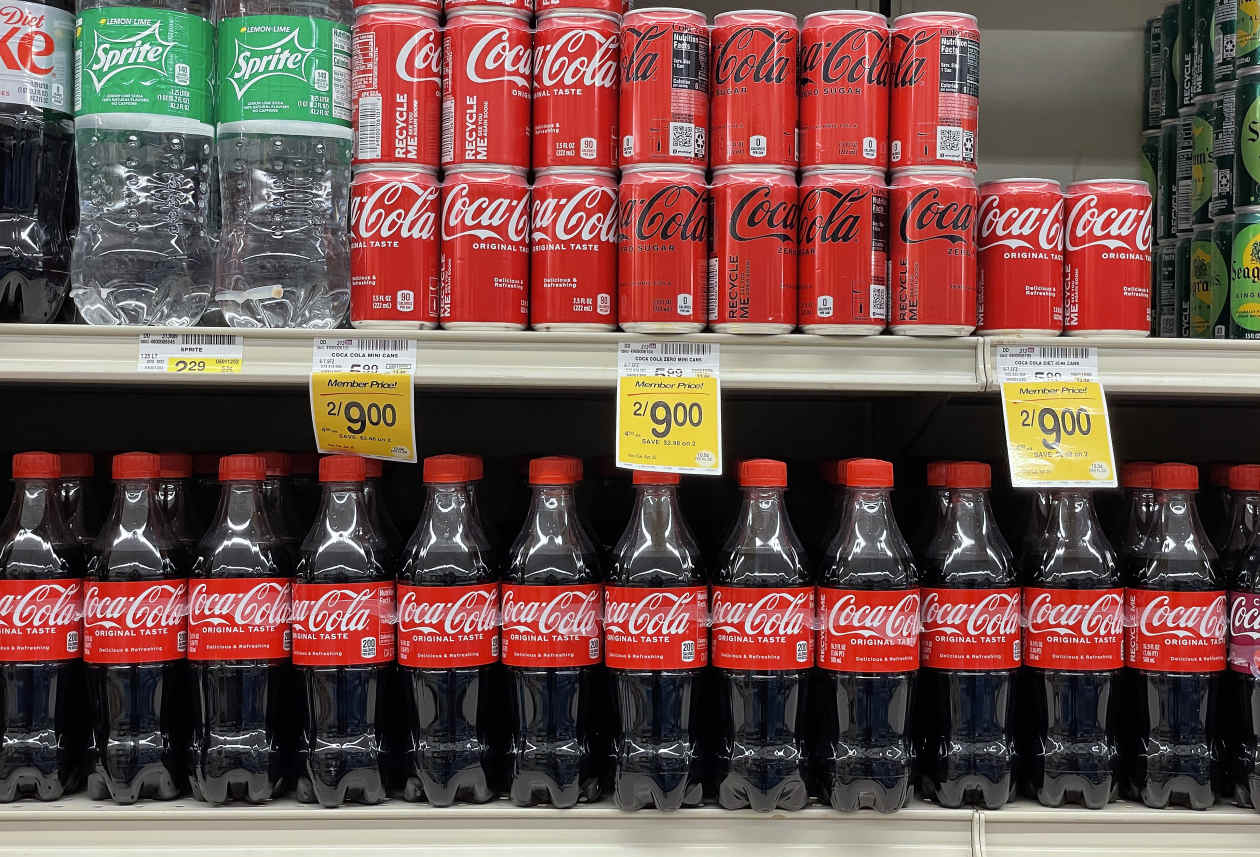
Coca-Cola is set to launch a cane sugar-based version of its flagship soda this fall, sold alongside its existing high-fructose corn syrup product. While some industry experts caution this strategy could lead to consumer confusion and higher costs, reminiscent of the 'New Coke' failure, others view it as an opportunity to capitalize on existing demand for cane sugar sodas and address growing health concerns about HFCS. CEO James Quincey frames the initiative as a necessary experiment to innovate and attract new consumers amid declining soda consumption, a trend also seen with competitors like PepsiCo introducing cane sugar alternatives.
Coca-Cola's decision to launch a cane sugar-based version of its flagship beverage introduces a direct competitor to its own high-fructose corn syrup (HFCS) product, creating a scenario with significant uncertainty. The move, framed by CEO James Quincey as a necessary experiment, is viewed by some analysts as a high-risk strategy reminiscent of the failed "New Coke" launch in the 1980s, citing potentially high marketing costs and a higher price point for a product that may not appeal to established consumers. Conversely, other experts see a clear opportunity to capture existing niche demand, evidenced by the popularity of imported Mexican Coke and seasonal Passover versions, both of which use cane sugar. This product launch also serves as a strategic response to declining soda consumption and growing public health concerns over HFCS, a sentiment echoed by potential regulatory actions. The competitive landscape confirms this trend, with PepsiCo simultaneously launching its cane sugar-based Pepsi Prebiotic Cola, indicating a broader industry shift toward HFCS alternatives to cater to evolving consumer preferences.
AI-powered research, real-time alerts, and portfolio analytics for institutional investors.
Overall Sentiment
Neutral
Sentiment Score
-0.05
Ticker Sentiment
