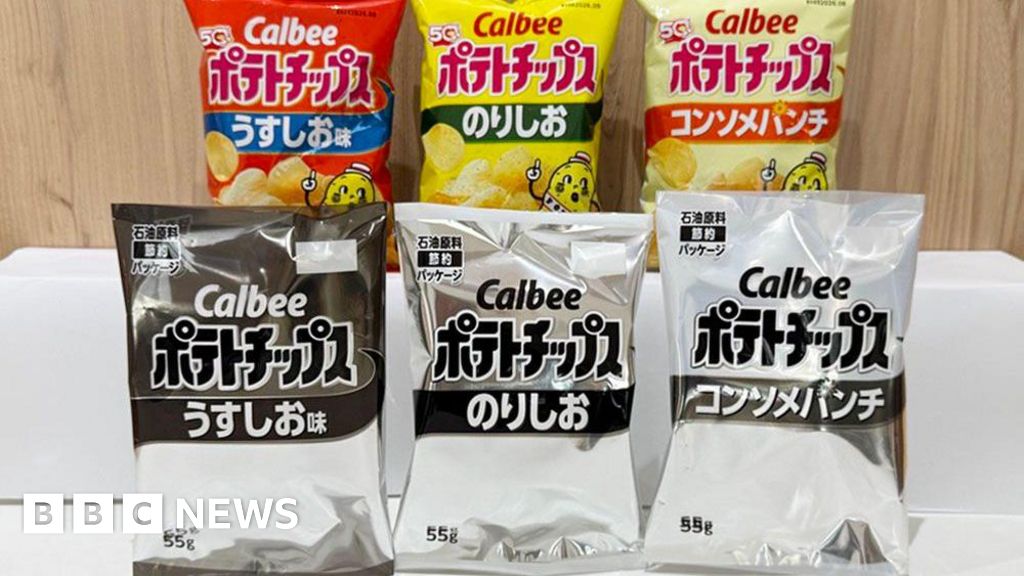
Calbee will temporarily switch 14 products to black-and-white packaging from 25 May as disruptions to ink-related raw materials linked to the Iran war hit supply chains. The conflict has also pushed Asia naphtha prices to almost double, with Japan previously importing around 40% of its naphtha from the Middle East. The article highlights broader cost pressure across food, airlines, automakers and retailers as fuel and materials become more expensive.
The immediate market read-through is not the packaging change itself, but the signaling value: when a consumer staple is forced to simplify output because of input scarcity, it suggests a broader squeeze in downstream manufacturing margins that has not yet fully shown up in consensus estimates. The first-order winners are upstream energy and logistics intermediaries with pricing power; the second-order losers are mid-cap consumer brands with low differentiation and limited ability to pass through inflation without volume loss. Expect margin pressure to show up first in Japan/Korea consumer names and only later in global CPG P&Ls as contract resets roll through over the next 1-2 quarters. The more interesting exposure is not food, but packaging, inks, adhesives, and industrial chemicals tied to naphtha-derived inputs. If naphtha stays elevated for another 4-8 weeks, management teams will likely respond via SKU rationalization, reduced color complexity, and smaller pack sizes before resorting to broad price hikes; that usually preserves revenue line optics while quietly compressing unit economics. This creates a subtle bear case for “defensive” consumer names: volumes may hold better than gross margins, which can lead to delayed but sharper earnings disappointments. Catalyst-wise, the key variable is whether alternate supply routes normalize in the next month or whether shipping/insurance bottlenecks keep feedstock tight into the summer budgeting cycle. If the Strait situation remains constrained through July, the market will likely start re-rating not just energy-sensitive sectors but also airlines, autos, and food packaging suppliers for second-round earnings pressure. The reverse is also true: any diplomatic de-escalation or a visible re-routing of naphtha exports would likely unwind the inflation impulse quickly, making this more of a tactical 1-3 month trade than a durable secular shock. Consensus appears to be underestimating how non-linear the pass-through can be in Asia, where many consumer firms are operating with thinner buffers and less pricing flexibility than US peers. That makes the opportunity less about chasing the headline commodity move and more about shorting the businesses that look insulated in revenue terms but are most exposed to cost inflation beneath the surface. The move in energy may already be partially priced, but the earnings revisions in downstream consumer and transportation names likely are not.
AI-powered research, real-time alerts, and portfolio analytics for institutional investors.
Request DemoOverall Sentiment
moderately negative
Sentiment Score
-0.40
