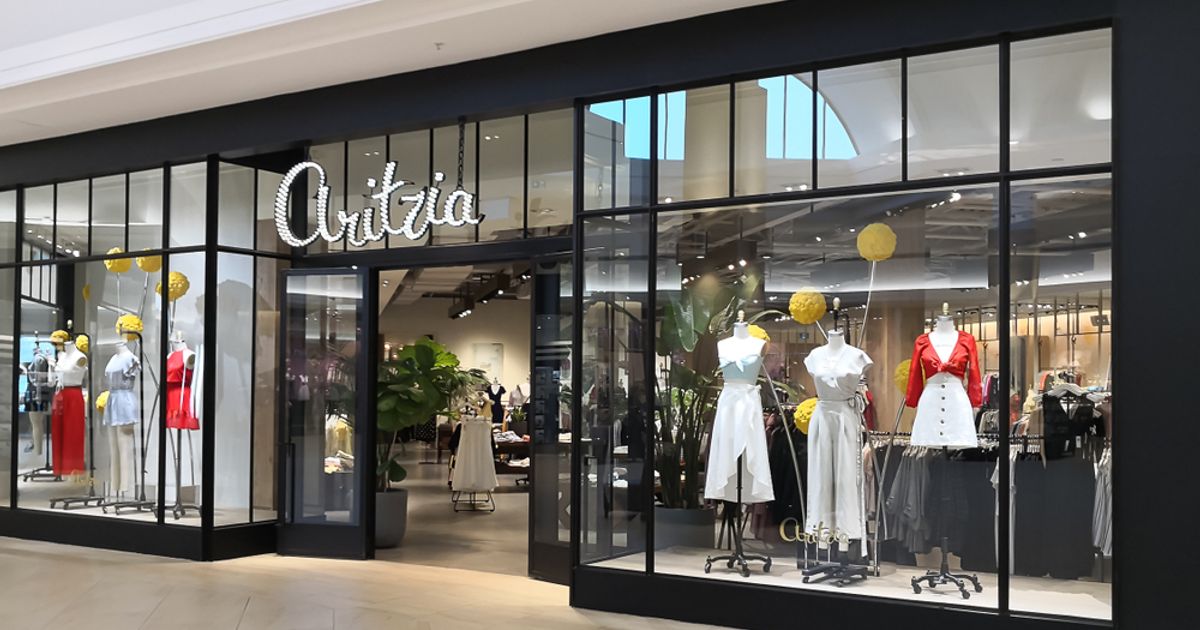
Jefferies raised its Aritzia price target to C$140 from C$114 (implying ~19% upside), citing brand momentum, omnichannel initiatives (mobile app, international site expansion) and strong retail demand. The firm lifted Q3 2026 same-store-sales to 17.0% (from 15.5%; Street 17.4%), increased revenue to C$916m (from C$904m) and EPS to C$0.87 (from C$0.85), and highlighted plans for >50% retail expansion (150+ stores, 10+ U.S. openings/year) and eCommerce expected to more than double by fiscal 2027. These data points and positive foot-traffic/channel checks underpin the upgrade and suggest meaningful upside to growth and margins.
Market structure: Aritzia (ATZ.TO) is a direct beneficiary—improving brand metrics, strong Flatiron conversion, and a mobile/international rollout tip the mix toward full-price e‑commerce and higher gross margins. Competitors in mid‑premium womenswear (URBN, AEO) face pressure on share and pricing power if Aritzia sustains >15% same‑store sales (SSS) while avoiding promotional markdowns. Macros: positive demand signal reduces inventory overhang risk across specialty apparel; modest CAD appreciation and tighter credit spreads for ATZ debt are plausible near term.
Risk assessment: Tail risks include execution (US openings scale too fast), supply chain dislocations, and a demand pullback; a 25% drop in SSS or a 200–300bps margin compression would be material. Timeframes: immediate (days) could see a ~+10–20% re‑rating, short term (weeks–months) driven by Q3 prints and app GMV, long term (12–36 months) hinges on e‑commerce doubling to fiscal 2027 and 150+ stores. Hidden dependencies: full‑price selling relies on limited inventory and sustained product desirability; alt‑data noise can overstate transient buzz.
Trade implications: Tactical long in ATZ.TO sized 2–3% of equity exposure given Jefferies’ C$140 PT (6–12 months), stop‑loss 12% below entry; consider 12–18 month call spreads to leverage upside while capping cost. Relative trade: long ATZ.TO vs short URBN (equal notional) to capture premium specialty outperformance. Rotate portfolio +3% into specialty apparel, funded by −2% in discount/off‑price (TJX) and −1% in broad general merchandise (TGT), horizon 3–12 months.
Contrarian angles: Consensus may underweight the cost of rapid store roll‑out and marketing; if e‑commerce CAC rises >20% YoY or US SSS normalizes from 17% to <5% next year, EPS downside could exceed current premium. Historical parallel: premium retail re‑ratings have reversed when expansion outpaced unit economics (e.g., initial LULU expansion phases). Action trigger: trim or hedge if SSS falls below 5% or app monthly active users (MAU) growth stalls <10% MoM.
AI-powered research, real-time alerts, and portfolio analytics for institutional investors.
Request DemoOverall Sentiment
strongly positive
Sentiment Score
0.60
Ticker Sentiment
