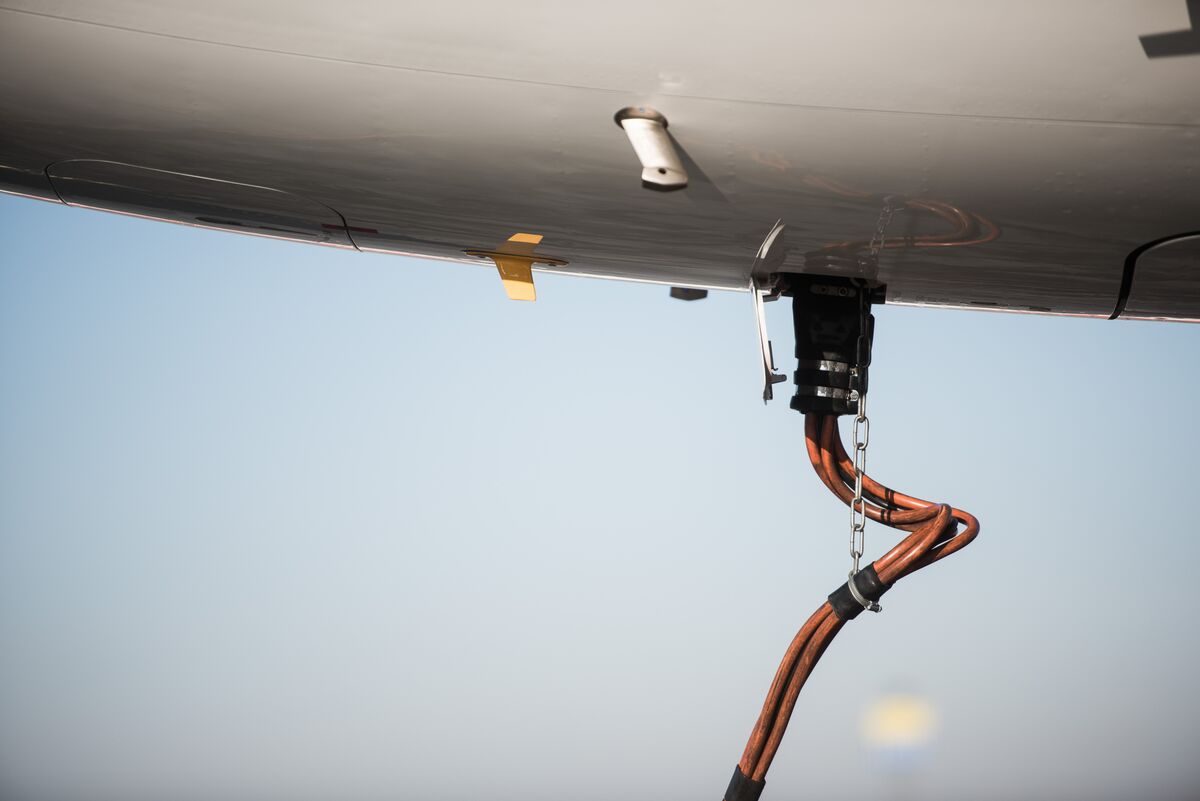
Crude oil fell as much as 16% to below $100/bbl after Iran agreed to open the Strait of Hormuz under a ceasefire, yet airline CEOs say jet fuel prices and supply issues will take months to normalize. Executives from Malaysia Aviation Group and Thai Airways warned the crude decline may not immediately translate into stable jet fuel availability or prices, keeping cost pressure and operational uncertainty for carriers.
Physical jet fuel tightness is a refining-and-logistics problem, not just a crude-price problem: shifting barrels from gasoline to distillate pools requires deliberate refinery yield changes, planned outages to be reversed, and shipping re-routing that typically takes 6–12 weeks to fully propagate across Asia-Pacific. That timeline creates a window where distillate cracks can stay elevated even if headline crude softens, because refinery economics favor light products and inland/regional distribution bottlenecks keep landed jet prices sticky.
Winners are players that capture incremental distillate margin and storage arbitrage: refiners with high distillate yield, trading desks able to lock in crack spreads, and storage/tanker owners positioned for short-term floating storage. Losers are carriers with low hedge coverage and high regional exposure that cannot immediately pass through fuel surcharges — expect margin compression for price-sensitive short-haul carriers and a forced acceleration of capacity rationalization that will support fare backstop for surviving incumbents.
Key catalysts and tail risks: refinery outages, a cold snap in the Northern Hemisphere (tightening heating oil/ULSD), or a coordinated OPEC+ supply move can widen cracks further within weeks; conversely, rapid destocking via opportunistic floating storage liquidation or a sudden rebuild of runs in Singapore/Gulf Coast can normalize spreads within 6–8 weeks. A plausible contrarian read is that markets are over-discounting structural scarcity: refiners can re-weight yields and trade flows seasonally, so a mean-reversion squeeze trade into any panic-driven widening is actionable if you’re comfortable with 6–12 week event risk.
AI-powered research, real-time alerts, and portfolio analytics for institutional investors.
Overall Sentiment
mildly negative
Sentiment Score
-0.15
