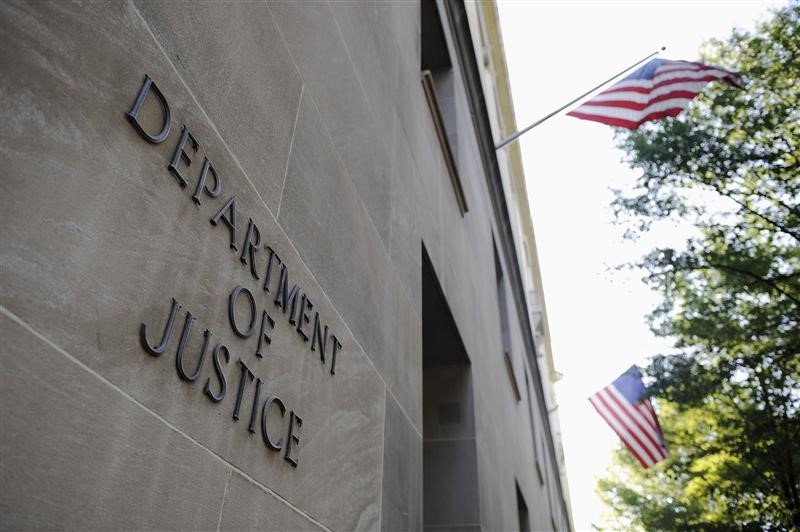
The U.S. Justice Department's Fraud Section, responsible for enforcing the Foreign Corrupt Practices Act (FCPA), has reportedly been reduced from 32 to approximately 15 prosecutors, according to Reuters. This decrease follows President Trump's February executive order that temporarily halted the enforcement of the FCPA, raising concerns about the future of U.S. anti-corruption efforts targeting companies operating abroad.
The U.S. Department of Justice's Fraud Section, responsible for enforcing the Foreign Corrupt Practices Act (FCPA), has reportedly experienced a significant reduction in its prosecutorial capacity, with staff numbers decreasing from 32 in January to approximately 15, according to a Reuters report. This development follows a February executive order by the Trump administration that temporarily halted FCPA enforcement, indicating a broader reassessment of this decades-old anti-corruption law. The FCPA, enacted in 1977, is a cornerstone of U.S. efforts to combat the bribery of foreign officials by companies operating under its jurisdiction. A substantially diminished enforcement team could alter the perceived risk and compliance landscape for multinational corporations concerning foreign bribery, potentially signaling a less aggressive U.S. stance. This situation is associated with a 'moderately negative' sentiment, reflecting concerns about the potential impact on corporate governance standards and the effectiveness of international anti-corruption frameworks.
AI-powered research, real-time alerts, and portfolio analytics for institutional investors.
Request DemoOverall Sentiment
moderately negative
Sentiment Score
-0.50
