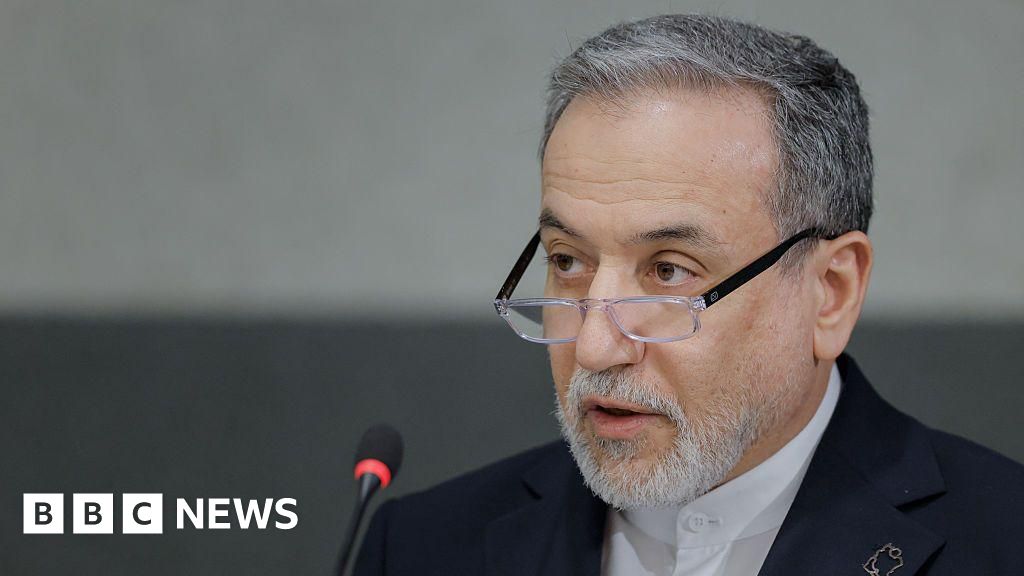
President Trump said he is considering a limited military strike on Iran to pressure a deal on its nuclear programme, warning markets the outcome could be decided “over the next, probably, 10 days.” The US has been ramping up forces in the region — including deployments linked to the USS Gerald R. Ford and USS Abraham Lincoln carriers — even as Iran says it is preparing a draft agreement and has reinforced military facilities. The situation creates heightened geopolitical risk that could spur safe-haven flows, oil-price sensitivity, and volatility in defense and emerging-market assets if negotiations fail or strikes proceed.
Market structure: A limited strike scenario favors US defense contractors (LMT, RTX, GD) and upstream energy producers (XOM, CVX) as near-term demand and risk premia rise; airlines, leisure, regional banks and EM credits are immediate losers due to higher fuel costs and risk-off flows. Pricing power will shift to commodity producers and insurers (reinsurance/war-risk premia), tightening supply-demand for tanker capacity and raising Brent volatility by a likely 5–20% on a strike headline.
Risk assessment: Tail risks include escalation to a protracted Gulf conflict (5–10% chance) that could lift Brent >30% and disrupt >20% of seaborne oil flows; a limited strike (15–30% chance) is more likely within 10 days per commentary, creating 2–8 week elevated volatility. Hidden dependencies: Strait of Hormuz chokepoint, insurance premiums, and coalition cohesion—any disruption there compounds oil and shipping cost shocks. Catalysts: confirmation of strike, Iranian asymmetric retaliation (tankers, proxies), and US midterm political headlines will accelerate moves.
Trade implications: Near-term (0–30 days) prioritize convex hedges: VIX/put protection and short travel/airline exposure; medium-term (1–6 months) overweight defense and energy via equities or call spreads sized 2–4% portfolio. Enter hedges immediately and scale directional longs on 5–15% pullbacks or if Brent >$85/bbl or headlines confirm kinetic action; reduce within 90 days if no escalation and volatility normalizes.
Contrarian angles: Markets may overpay for short-lived ‘shock’ rallies in defense while underpricing persistent oil-service/transport dislocations that last months; historical parallels (2019 tanker strikes) show 1–3 month mean reversion in equities but longer pain in shipping insurers. Opportunity: buy beaten cyclicals (airlines, ports) after 15–25% drawdown with a 6–12 month view that supply-chain adjustments and insurance repricing normalize.
AI-powered research, real-time alerts, and portfolio analytics for institutional investors.
Request DemoOverall Sentiment
moderately negative
Sentiment Score
-0.65
