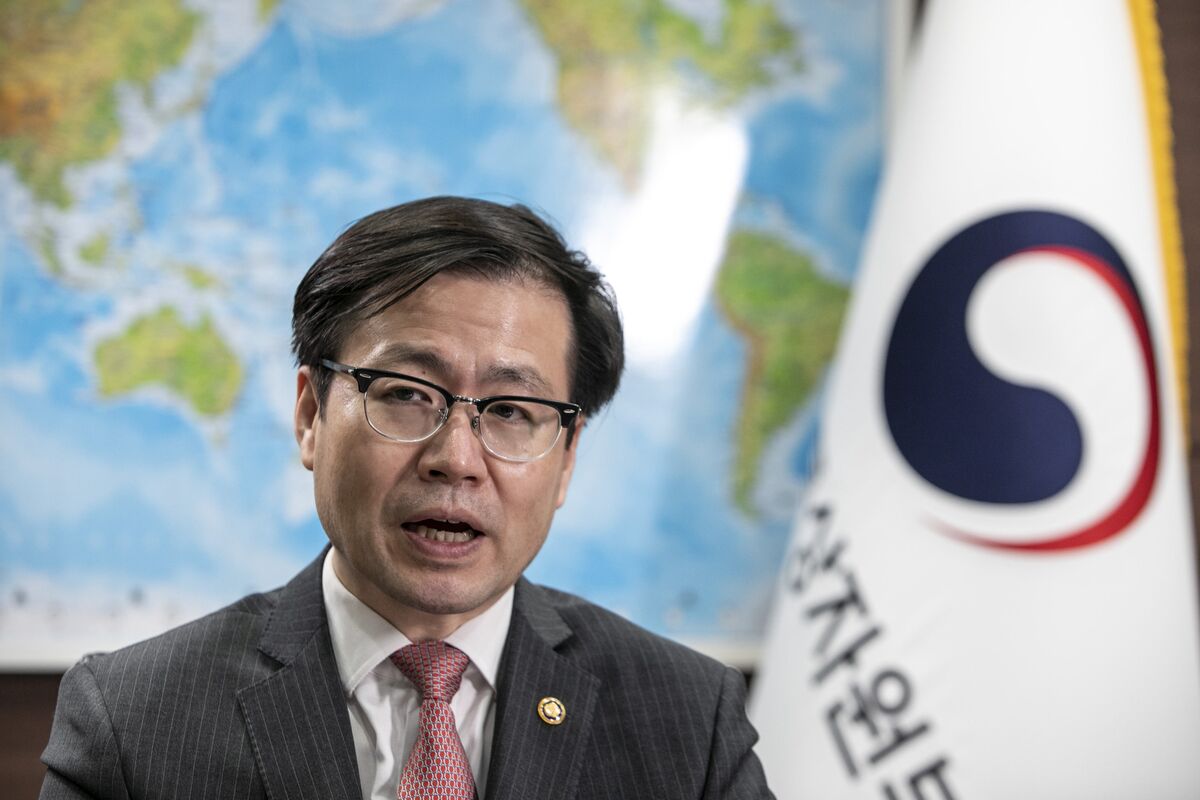
South Korea's Trade Minister Yeo Han-koo recently concluded critical talks in Washington with US Trade Representative Jamieson Greer and Commerce Secretary Howard Lutnick, seeking to extend the suspension of a proposed 25% across-the-board tariff set for August 1. Seoul is also pressing for reductions in sectoral tariffs on key industries such as autos and steel, highlighting ongoing trade friction and the potential financial implications for affected companies if a resolution isn't reached.
Trade negotiations between South Korea and the United States have entered a critical phase, centered on a proposed 25% across-the-board tariff scheduled to take effect on August 1. South Korea's Trade Minister Yeo Han-koo is actively seeking an extension of the current tariff suspension and specific sectoral tariff reductions for key industries, notably autos and steel. The outcome of these high-level talks with the US Trade Representative and Commerce Secretary carries significant financial implications. A failure to secure a favorable resolution would introduce substantial cost pressures and margin erosion for South Korean exporters in these sectors, creating a material headwind. The situation introduces a significant degree of uncertainty and a binary event risk for investors exposed to these industries, with the August 1 deadline serving as a major near-term catalyst.
AI-powered research, real-time alerts, and portfolio analytics for institutional investors.
Request DemoOverall Sentiment
neutral
Sentiment Score
0.00
