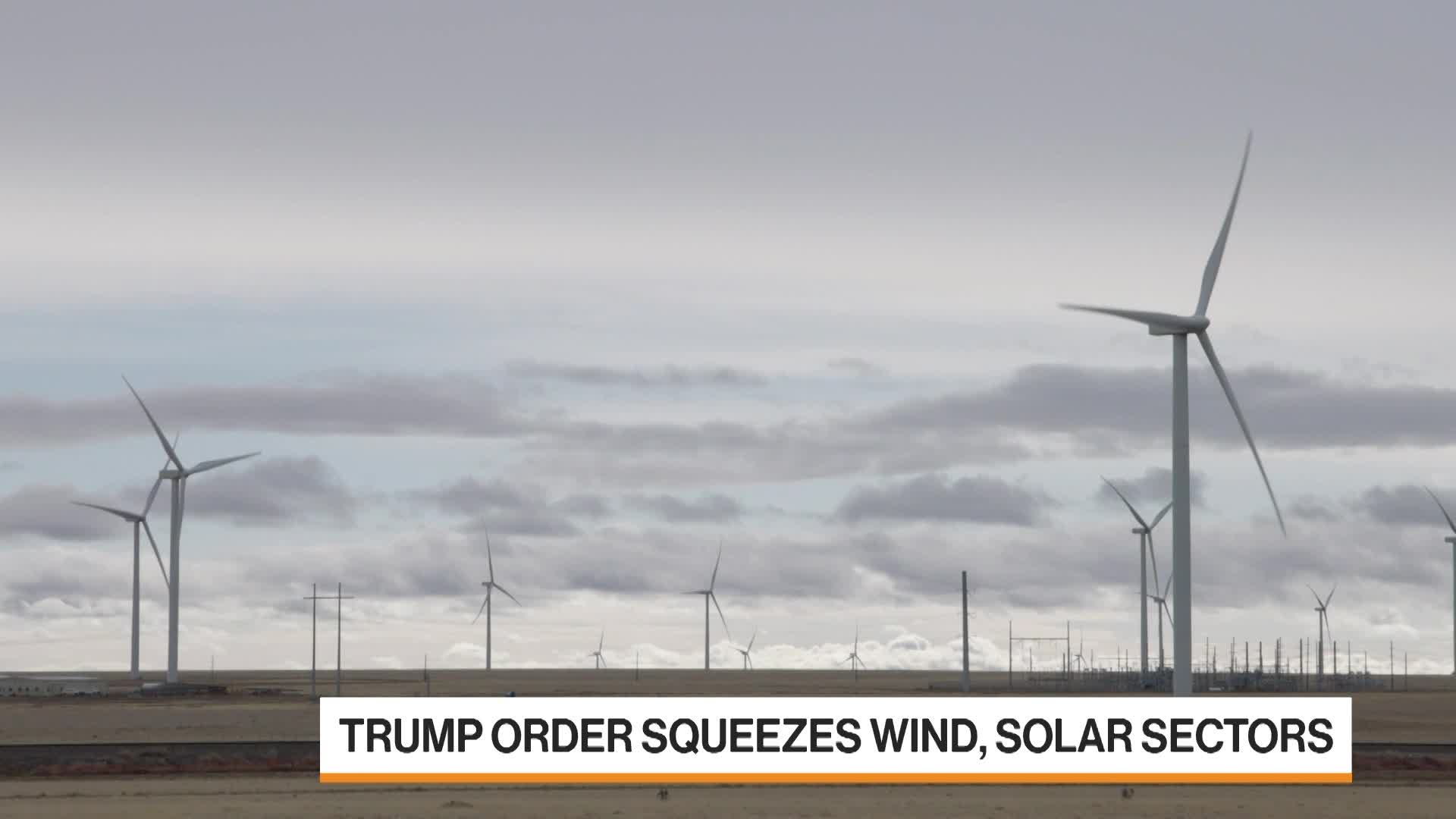
President Trump has reportedly ordered actions to squeeze the wind and solar sectors, while simultaneously revealing a new batch of tariffs with no extension vowed, as reported on July 9, 2025. This development, characterized by some as a continuation of a "chaotic" tariff rollout, signals ongoing shifts in trade policy and potential market implications for affected industries.
Recent policy directives from the Trump administration signal a significant negative shift for specific sectors and introduce broader trade uncertainty. The administration has reportedly ordered measures to "squeeze" the wind and solar industries, indicating direct regulatory or financial pressure on the renewable energy sector. Concurrently, a new batch of tariffs has been revealed with a declaration of no extensions, reinforcing a protectionist stance. This tariff rollout has been characterized by observers as "chaotic," which, combined with a strongly negative sentiment score of -0.7 and a high market impact score of 0.7, points to heightened market volatility and investor apprehension. These dual actions create substantial headwinds for companies involved in the renewable energy transition and those with global supply chains susceptible to new, unpredictable import duties.
AI-powered research, real-time alerts, and portfolio analytics for institutional investors.
Request DemoOverall Sentiment
strongly negative
Sentiment Score
-0.70
