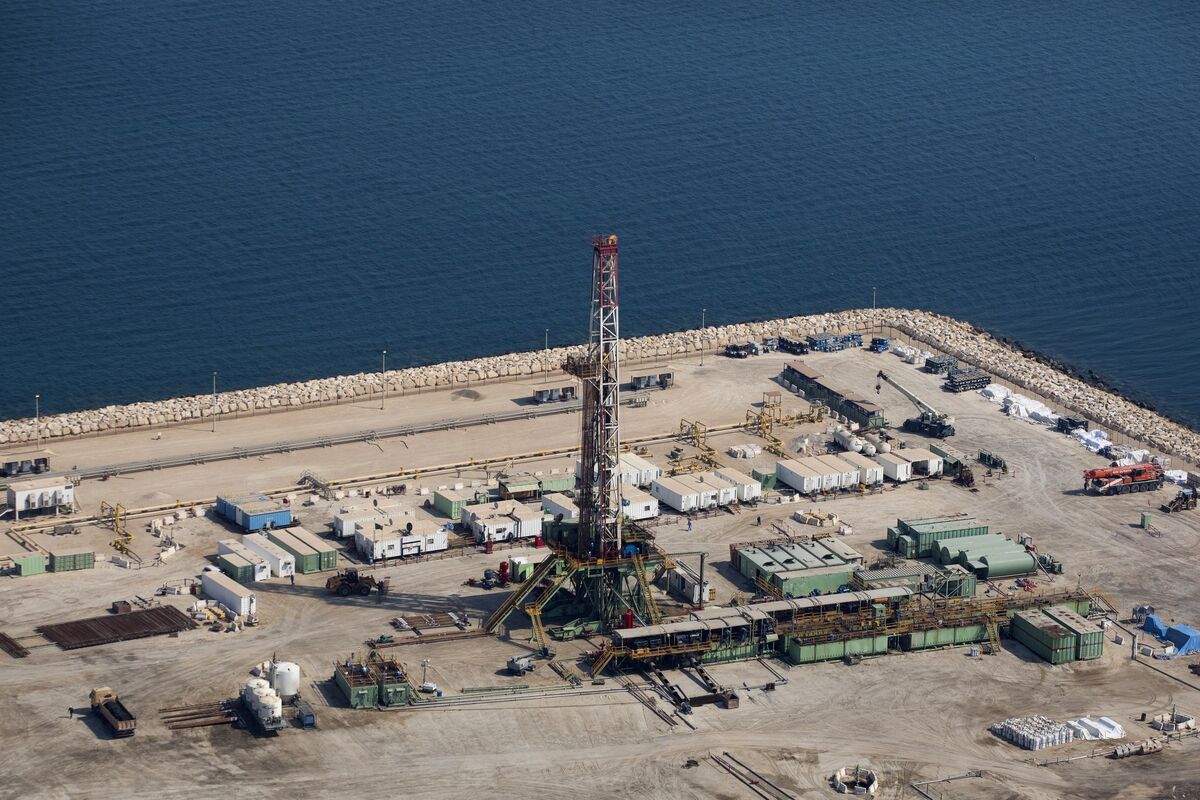
Saudi Arabia's active oil rig count has decreased, primarily due to the completion of several oil-field projects aimed at maintaining production capacity and the kingdom's January 2024 decision to cap its maximum sustainable capacity (MSC) at 12 million barrels per day. This move, confirmed by Aramco CEO Amin Nasser, abandons prior plans to increase MSC to 13 million bpd, signaling a strategic commitment to current production levels rather than an expansion and potentially influencing global oil supply expectations.
The decline in Saudi Arabia's active oil rig count is a direct result of a strategic policy shift rather than a response to market weakness. According to Aramco CEO Amin Nasser, the reduction is attributed to two primary factors: the completion of several oil-field projects aimed at maintaining existing production capacity and the kingdom's formal decision in January 2024 to cap its maximum sustainable capacity (MSC) at 12 million barrels per day. This move abandons a previously stated goal of increasing MSC to 13 million barrels per day. This strategic pivot signals a significant change in Saudi Arabia's long-term supply posture, prioritizing production discipline and capacity maintenance over expansion. For the global energy market, this removes a potential 1 million barrels per day of future supply from long-term models, providing greater clarity on the kingdom's production ceiling and potentially tightening the long-term supply-demand balance.
AI-powered research, real-time alerts, and portfolio analytics for institutional investors.
Request DemoOverall Sentiment
mixed
Sentiment Score
0.00
