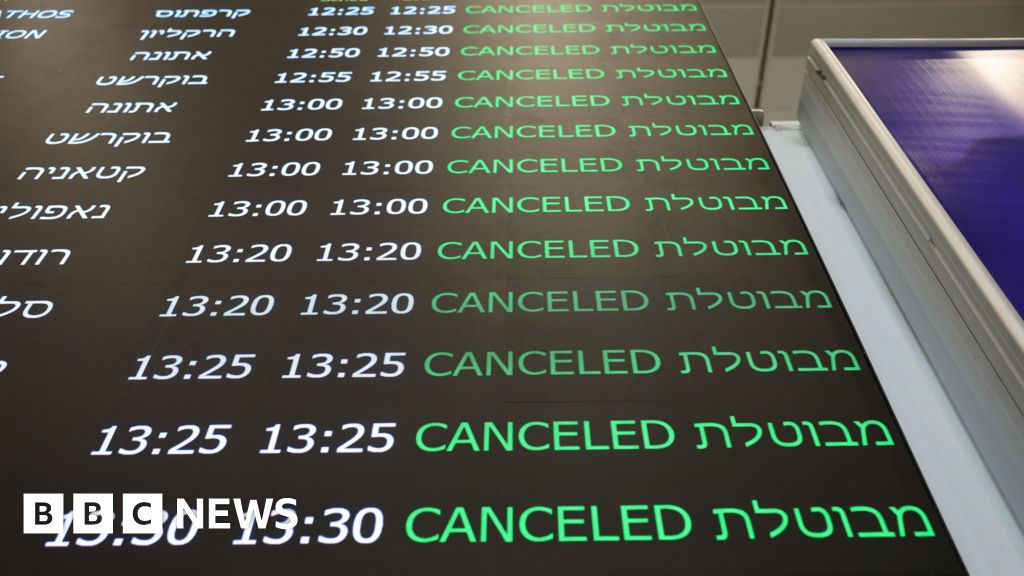
Escalating strikes between the US/Israel and Iran have prompted airspace closures and widespread flight cancellations and diversions across the Middle East, with carriers including British Airways, Virgin Atlantic, Wizz Air, Qatar Airways and Emirates suspending services to key regional hubs; BA cancelled Tel Aviv and Bahrain services until Wednesday and Amman on Saturday, and a BA Heathrow–Doha flight with over 200 passengers was forced to return. The UK Foreign Office has issued shelter-in-place warnings for British nationals across multiple Gulf states, UK officials held a COBRA meeting, and the disruption raises immediate risk-off pressures for travel and regional exposure trades and could feed into broader asset repricing if the conflict widens.
Market structure: Immediate winners are defense contractors and commodity exporters while commercial carriers, airport operators and regional travel-dependent consumer services are losers; expect a 5–20% hit to near-term unilateral revenue for carriers on Middle East routes and route-replacement cost increases of 10–30% (fuel + diversion + crew) for long-haul flights. Competitive dynamics favor global network carriers with deep balance sheets (can absorb reroutes) and state-backed Gulf carriers may see temporary demand collapse, shifting share to European/US hubs for 4–12 weeks.
Risk assessment: Tail risks include closure of the Strait of Hormuz or expanded regional war (Oil +25–50% and global shipping shock), and cyberattacks on aviation/ports disrupting logistics; probability low but impact multi-quarter. Immediate window (days): flight suspensions and volatility spikes; short-term (weeks–months): revenue and booking cancellations; long-term (quarters–years): insurance premium normalization, higher hedging costs and potential re-pricing of risk premia into defense and energy sectors.
Trade implications: Favored trades are long defense and energy, short travel & leisure and regional EM FX tied to Gulf flows; expect bonds to rally (yields -10–30 bps), USD/CHF/JPY strength, gold +3–7% and oil +5–15% if escalation persists beyond one week. Use options to express directional conviction while capping risk: buy call spreads on large caps in defense and pay-up for short-dated puts on airline names; watch VIX spikes as entry signals.
Contrarian angles: Consensus will overshoot haircut to airline equities; once airspace reopens bookings bounce (revenge travel), creating 30–60% recovery windows in well-capitalized carriers—avoid blanket shorts. Also, defense stocks often price in geopolitical risk quickly; if de-escalation occurs within 2–6 weeks, defense names could give back 5–15%, so tranche sizing and hedges matter.
AI-powered research, real-time alerts, and portfolio analytics for institutional investors.
Request TrialOverall Sentiment
moderately negative
Sentiment Score
-0.55
