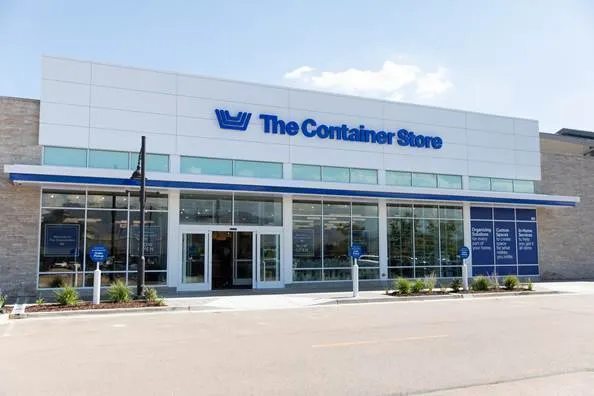
Bed Bath & Beyond agreed to acquire The Container Store for about $150 million in stock and convertible notes, with the deal (including Elfa and Closet Works) expected to close in July. Management changes accompany the deal: Container Store CFO Brian LaRose will become Bed Bath & Beyond CFO, Amy Sullivan named president and Lisa Foley COO; Elfa president Anders Hahn will become Elfa CEO. The company expects the acquisition and integrations (including Kirkland’s Home) to add ~2.2 million sq ft of premium retail and deliver at least $40 million of annualized cost savings within 12–18 months, advancing Bed Bath & Beyond’s omnichannel and home services strategy.
The buyer’s platform strategy can unlock disproportionately high-margin revenue by converting single-product shoppers into bundled home-services customers. If management can push a modest 5–8% attach rate on visits to paid in-home consultations or installation packages with an incremental average ticket north of $400, the revenue mix swings toward services where labor/installation margins typically exceed retail gross margins by 800–1,200 bps; that shift is the primary driver of re‑rating, not pure retail sales growth. Initial signal windows for this should appear within 3–6 months as attach rates and AOVs are reported, with material margin leverage visible in 9–18 months if conversion and operational systems integrate cleanly.
There are important supply‑chain and vendor second‑order effects to monitor. Consolidation and central purchasing pressure will force many specialty vendors to accept lower margins or be replaced by private‑label alternatives, accelerating SKU rationalization and reducing vendor diversity; in the near term this can create assortment gaps and inventory timing issues that depress sales. Conversely, a single platform able to centralize procurement and deployment of installation teams could lower per‑unit fulfillment costs by a meaningful percent, but requires upfront capex and working‑capital to standardize SKUs and training — a drag on cash flow in the first year.
Execution risk is the dominant downside: integration friction, higher SG&A to stand up services, and any renewed supplier disputes can erase early margin improvements. Watch three leading indicators: services attach rate, services gross margin, and average ticket for combined baskets; improvement across all three within two reported quarters should validate the thesis. The contrarian view is that market optimism overestimates speed-to-scale for white‑glove services and underestimates short‑term dilution to EBIT from the transition, leaving a material gap between headline consolidation and realized profitability.
AI-powered research, real-time alerts, and portfolio analytics for institutional investors.
Request DemoOverall Sentiment
strongly positive
Sentiment Score
0.60
Ticker Sentiment
