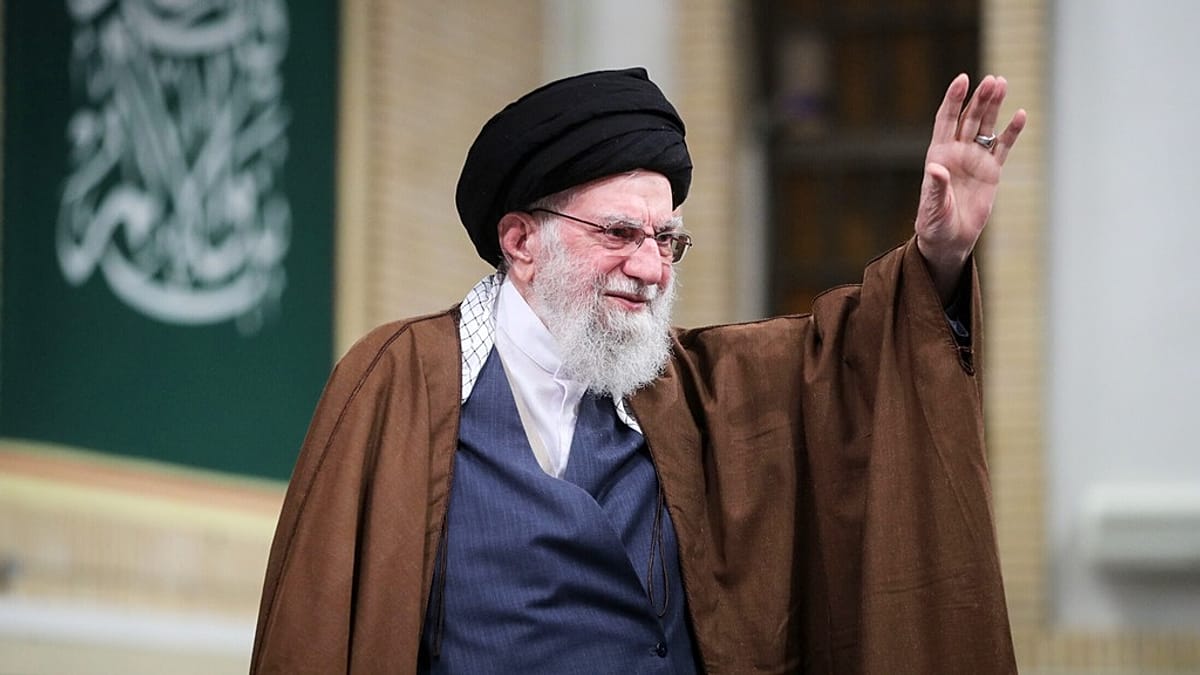
Speculation has intensified that Supreme Leader Ali Khamenei may have authorised development of compact nuclear warheads following June strikes that heavily damaged Iran’s nuclear infrastructure, though U.S. intelligence and the IAEA have not corroborated such an authorisation. Verified technical data show Iran held 441 kg of uranium enriched to 60% as of 13 June 2025 (close to weapons-grade) and reportedly moved about 408 kg of 60% material to secret locations; analysts say moving 60% to 90% enrichment could take only weeks with sufficient centrifuges, while warhead miniaturisation remains technically complex. The disputed ISPI report, continued IAEA access restrictions to Natanz/Isfahan/Fordow, and Iranian moves to rebuild facilities create heightened regional risk with clear market implications for defence exposure and geopolitical risk premia.
Market structure: Immediate winners are defence primes (Lockheed LMT, Northrop NOC, Raytheon RTX), energy producers (Exxon XOM, Chevron CVX) and safe-haven assets (gold GLD, USD, US Treasuries) as risk-premia and military spending expectations rise. Losers include regional carriers and travel/tourism-exposed names (JETS), Middle‑East dependent insurers/reinsurers and EM sovereign credit; shipping/insurance cost increases compress margins for global trade and raise commodity delivered costs.
Risk assessment: Tail risk (low‑probability, high‑impact) is Iran weaponisation or major regional war → supply shock >1.0 mb/d producing a $20–40/bbl Brent spike within weeks and equity market drawdowns >10%. Time horizons: days = volatility and flight‑to‑quality; weeks–months = oil/gold repricing, defence order flows; years = technical warhead development and structural sanctions. Hidden dependencies include Strait of Hormuz transit disruption, insurance war‑risk premia, and IAEA access (threshold: inspections resumed = de‑risking).
Trade implications: Tactical plays should express oil and defence exposure with controlled convexity — 1–3 month option structures for oil/gold and 3–12 month equity exposures for defence/energy. Use pair trades to hedge cyclical tourism exposure and employ event‑driven triggers (IAEA access, US intel updates, >60%→90% enrichment signal). Volatility is likely to spike; sell into strength selectively and buy protection around key catalysts.
Contrarian angles: Consensus assumes a sustained defence‑up/energy‑up regime; that is underdone if Iran does not authorise weapons — expect mean reversion for high‑beta defence names after an initial 10–25% rally. Historical parallels (2019–2020 Gulf tensions) show oil spikes faded in 2–3 months absent physical disruptions; therefore short-dated dispersion trades and selling near-term volatility after the first 2–6 weeks may be profitable.
AI-powered research, real-time alerts, and portfolio analytics for institutional investors.
Request DemoOverall Sentiment
moderately negative
Sentiment Score
-0.60
