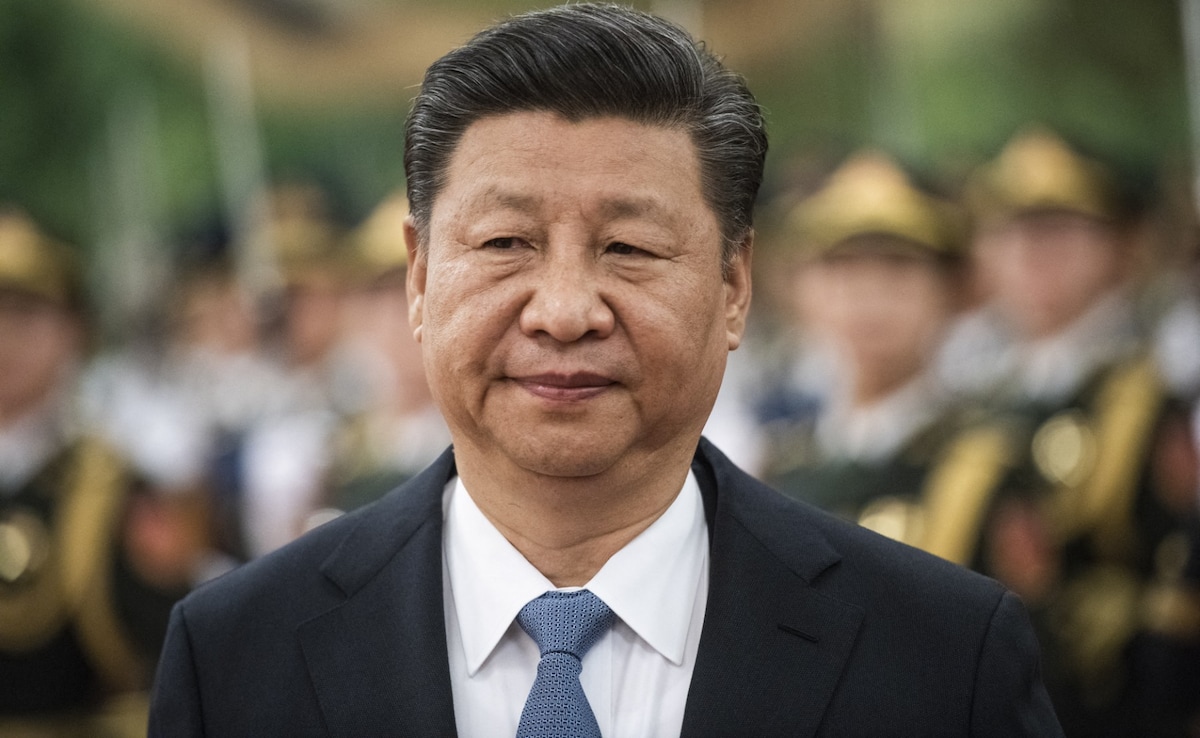
Crude prices have surged more than 70% year-to-date as the Strait of Hormuz is effectively choked and missiles and strikes escalate; President Trump issued a 48-hour ultimatum and Iran threatened regional retaliation. Beijing has limited its response to diplomatic support and calls for restraint, signaling it will not provide military backing for Iran and prioritizes Russia and Pakistan over Tehran. Expect continued risk-off positioning, elevated oil price volatility, and potential supply-chain and energy-sector dislocations while broader military escalation risk remains elevated.
A persistent ceiling on great-power military commitments creates a predictable market structure: sanction- and conflict-driven price shocks will be resolved through commercial arbitrage and re-routing rather than state-backed protection. Expect spot crude and tanker rates to respond in days (front-month Brent moves, VLCC time-charter rates), and for contractual shifts — long-term offtake renegotiations, insurance premia, and port investments — to play out over quarters to years. Quantitatively, a sustained Brent >$95 for 30+ days historically drives energy equities to outperform the broader market by ~600–800bps over the following quarter while increasing freight volatility by 200–400% in peak weeks.
Second-order demand-side winners are those that capture the margin between sanctioned barrels and refiners able to process heavy sour crude: midstream and storage owners with flexible crude slate exposure will see outsized near-term cash conversion. Conversely, commercial intermediation (traders, smaller tanker owners, reinsurance) faces elevated legal and counterparty risk — pricing in a 10–25% add-on to financing and insurance costs for exposed flows is reasonable until legal clarity returns. Expect regional supply substitution to favor producers with ready spare capacity and flexible logistics (Russia, Saudi Arabia, UAE) and for logistics nodes closer to Pakistan and the Arabian Sea to see accelerated capex cycles over 12–36 months.
Policy and conflict de-escalation are binary catalysts that can erase risk premia quickly; a credible diplomatic breakthrough within 2–6 weeks would likely compress Brent by $15–25 and snap back tanker rates by 40–60%. The larger, slower tilt is strategic reorientation: private-sector participants will price in a higher-for-longer premium in energy, defense, and insurance sectors until bilateral security guarantees or durable trade arrangements change the incentive calculus — a multi-year regime shift in capital allocation for infrastructure and defense is plausible if this pattern persists.
AI-powered research, real-time alerts, and portfolio analytics for institutional investors.
Request DemoOverall Sentiment
strongly negative
Sentiment Score
-0.65
