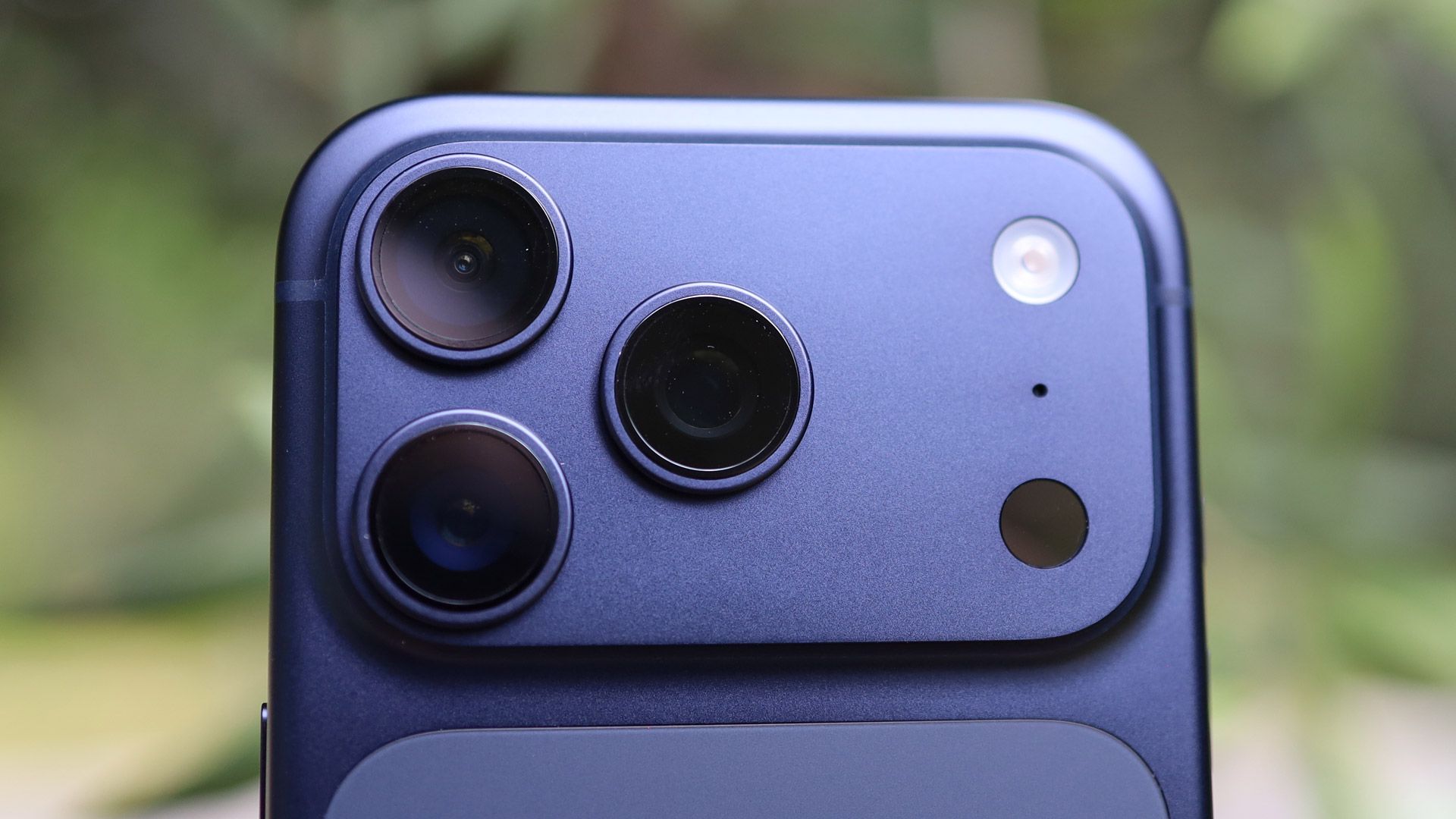
Major U.S. carriers and Apple are running aggressive Black Friday promotions that could boost Q4 handset volumes and stimulate postpaid additions: Verizon is offering an iPhone 17 Pro Max free with a new unlimited line (no trade-in) plus a $200 eGift for new customers, T‑Mobile is offering four free iPhone 17 devices on a four-line Essentials plan (~$100/month total, ~$25/line), and AT&T is promoting up to $1,100 trade-in credits on iPhone 17 series. Apple is bundling $75 gift cards with iPhone 16 purchases and standard trade-in credits up to $670, while prepaid carriers and refurbishers (Mint, Visible, Boost, Red Pocket, BackMarket) are discounting plans and devices; these offers should support handset sales and churn activity but may compress average selling prices and increase subsidy/promotion costs for carriers.
Market structure: Big carriers and Apple are the primary beneficiaries — AAPL captures iPhone ASPs and services upside while AT&T (T) and the large national carriers win by using heavy handset subsidies to lock multi-line ARPU. Retailers (BBY, AMZN) get traffic but margin mix shifts toward carrier bundles and prepaid players; smaller MVNOs/independent retailers risk share loss. Expect promotional pricing to compress near-term handset gross margins but shift lifetime value to carriers via multi-line plans.
Risk assessment: Tail risks include regulatory action (FCC/DOJ scrutiny on carrier bundling or Apple-carrier agreements) and inventory overhang if upgrade demand stalls — either could force deeper discounts and impact FY26 margins. Timeline: immediate (days) = spike in activations and retailer traffic; short-term (1–3 months) = measured ARPU lift and inventory digestion; long-term (3–12+ months) = potential slower upgrade cadence and pricing normalization. Hidden dependency: trade-in values and used-device market liquidity; weaker secondary prices would raise effective promotion costs.
Trade implications: Favor AAPL exposure into holiday print — actionable: establish a 2–3% long AAPL core position and complement with a 3–6 month 10–15% OTM call spread to cap cost while capturing upside from stronger iPhone mixes and services revenue. Add a 1–2% tactical long in T to capture subsidized-subscriber lift (or buy a 6–9 month call/LEAP); consider a small long BBY (0.5–1%) to play footfall, but avoid large exposure to AMZN as e‑commerce margin pressure may persist. Use a pair: long T (1.5%) / short AMZN (1%) to express carrier ARPU vs retail-margin divergence.
Contrarian angles: Consensus underestimates durable ARPU gains if customers consolidate to major carriers — this would favor T and VZ for multiple quarters, not just Black Friday. Conversely, the market may be underpricing a saturation shock: if upgrade cycles lengthen by >6 months, AAPL and retailers could see 5–10% EPS downside in FY26. Monitor postpaid net adds, iPhone ASP, and trade-in resale prices over the next 60–90 days as primary catalysts that will validate or reverse these trades.
AI-powered research, real-time alerts, and portfolio analytics for institutional investors.
Request DemoOverall Sentiment
mildly positive
Sentiment Score
0.30
Ticker Sentiment
