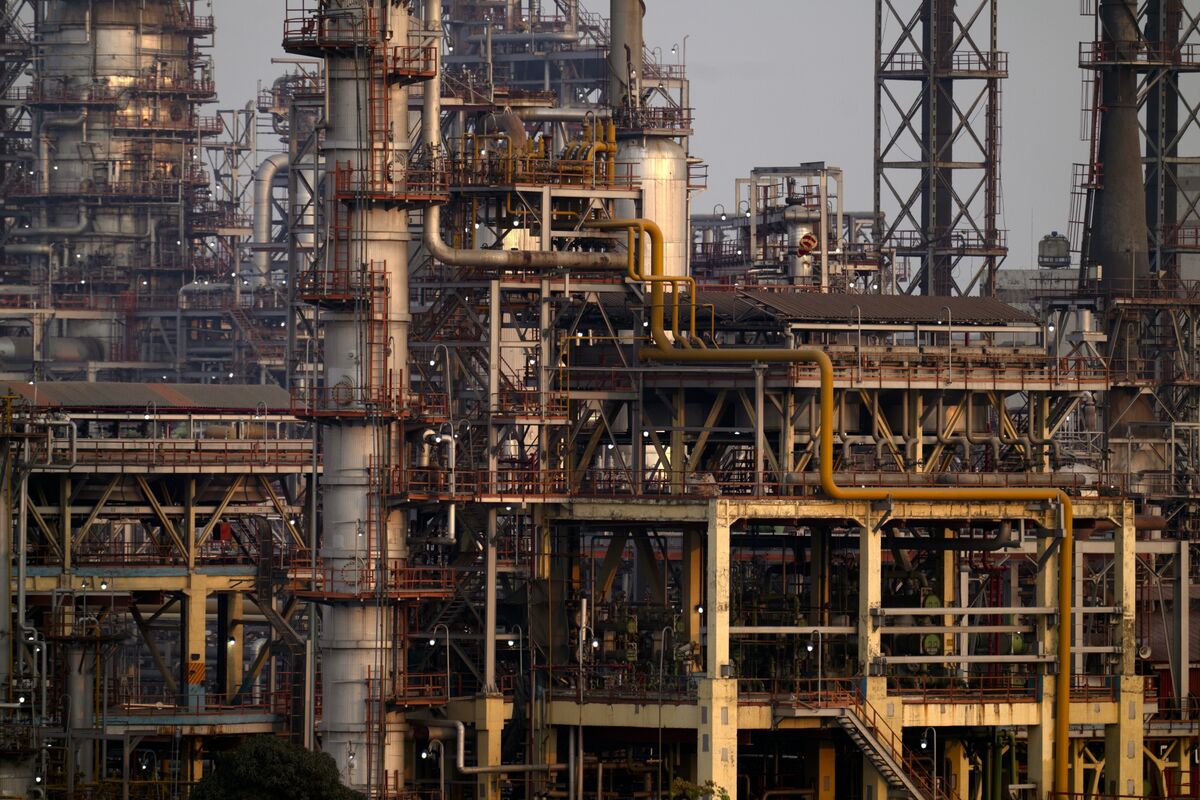
UBS Global Wealth Management downgraded Indian and euro zone equities to neutral, citing their high sensitivity to elevated oil prices. Strategist Suresh Tantia warned on Bloomberg TV that the Iran/Middle East conflict may not be resolved quickly, increasing vulnerability of these markets if the conflict drags on.
The incremental macro channel to focus on is inflation → policy → flows rather than direct equity earnings. A sustained $10/bbl move higher (on a months horizon) typically adds on the order of 30–80bps to headline inflation in oil-importing EMs like India and forces central banks to price 25–75bps more tightening or delayed easing versus current market expectations over 3–12 months, which compresses cyclical/consumer multiples disproportionally.
Second-order profit-cycle effects will hit goods with long supply chains and high energy intensity first: exporters whose margin calculus assumed stable freight/energy (textiles, auto suppliers, chemicals) will see margin leakage into 2–4 quarters, while distribution-heavy domestic consumption names see volume compression within 1–3 quarters as discretionary spend re-prioritizes. Conversely, integrated oil majors and service providers with near-term free-cash-flow optionality and hedged export receipts will see relative outperformance as capex gets deferred elsewhere and commodity cash yields rerate.
Tail risks cluster around geopolitics and policy: a rapid diplomatic de-escalation or a coordinated SPR release could knock Brent back <$75 within weeks and violently reverse positioning — expect mean-reversion risk inside 30–90 days. On a longer horizon (6–18 months), sustained high oil accelerates structural shifts (reshoring, substitution to electrification, fertilizer price pass-through to food inflation) that create asymmetric winners in equipment, renewable energy capex and certain commodity producers.
Sentiment is already biased risk-off; that makes near-term volatility your friend for entry. Use oil price triggers to time exposures and size for policy surprise risk: avoid unconstrained directional exposure to India or Eurozone beta without a natural hedge to energy or currency moves — the clearest lever to control portfolio convexity is pairing regional equity exposure with energy or FX hedges rather than naked shorts.
AI-powered research, real-time alerts, and portfolio analytics for institutional investors.
Request DemoOverall Sentiment
moderately negative
Sentiment Score
-0.60
