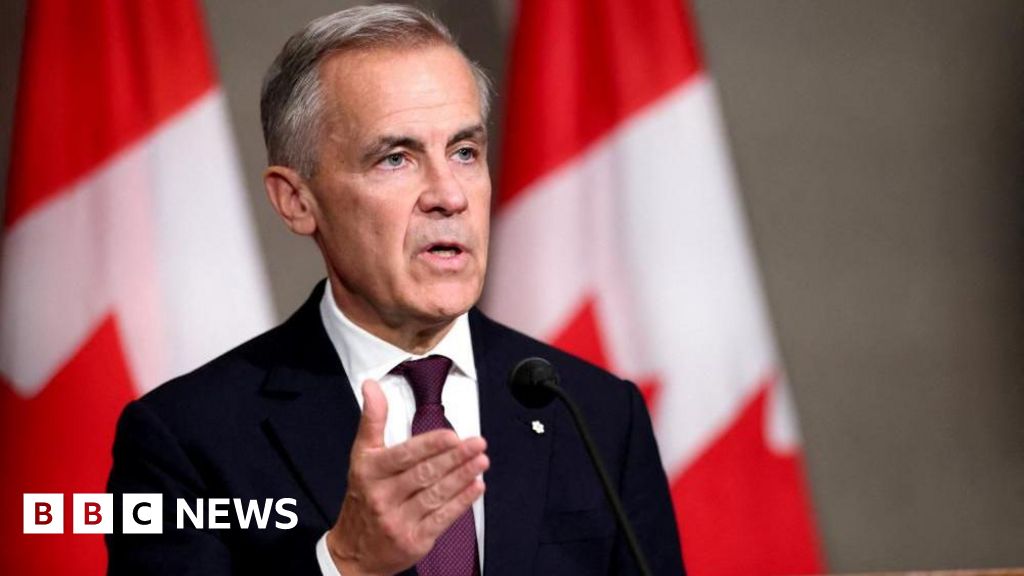
Canadian Prime Minister Mark Carney will visit Beijing from 13–17 January for high-level trade talks aimed at resetting Canada-China relations and discussing trade, energy, agriculture and security. The visit follows October 2024 Canadian tariffs — 100% on Chinese EVs and 25% on Chinese steel and aluminium — and Chinese retaliatory levies (including 76% on canola seed and 100% on canola oil, meal and peas) that have hit western Canadian farmers; Carney has said he wants to double Canada's non‑US exports over the next decade. The trip could ease pressure on agri- and auto-exposed sectors if it yields tariff rollbacks or trade reopenings, but concrete market effects remain uncertain while Canada-US trade talks remain paused and an USMCA review continues.
Market structure: Restoration of Canada–China trade flows materially benefits Canadian ag exporters (canola seed/oil/meal), rail & port operators, and processors while easing margin pressure on Prairie farmers; steel/aluminium/EV tariffs being dialed back would conversely hurt recently protected domestic pricing for North American producers. Expect commodity demand shock for canola (price + volatility) and modest CAD appreciation versus USD if progress is confirmed; TSX-heavy sectors (materials, transportation, agri-inputs) likely to re-rate higher over 3–12 months.
Risk assessment: Near-term (days) event risk centers on headlines during the Jan 13–17 visit; short-term (weeks–months) risk is partial or staged rollbacks that leave uncertainty; long-term (quarters–years) risks include retaliatory measures, logistics bottlenecks (rail/port capacity) and geopolitical friction with the US. Tail risks: talks collapse or new sanctions → renewed tariffs, CAN exports rerouted, CAD depreciation; hidden dependency: China’s domestic crop cycles and substitution from Russia/Australia can mute upside.
Trade implications: Tactical plays favor Canadian rail (CNI, CP) and ag exposures—these capture restored export volumes and freight rate re-leveraging; fertilizer names (NTR) and canola futures are levered plays on crop pricing. Use directional equity positions sized 1–3% and options (3–9 month call spreads) to limit capital at risk; pair trades (Canada rail long vs US regional short) isolate Canada-specific re-openings.
Contrarian view: Market consensus may price a rapid, full normalization; reality likely partial and phased—early rallies in processors/rail can be reversed by capacity constraints or slow Chinese import re-approval. Historical parallels (multi-month normalization after diplomatic breaks) suggest wait-for-confirmation triggers (tariff removal notices, shipping manifests) before committing full sizes.
AI-powered research, real-time alerts, and portfolio analytics for institutional investors.
Request DemoOverall Sentiment
mildly positive
Sentiment Score
0.22
