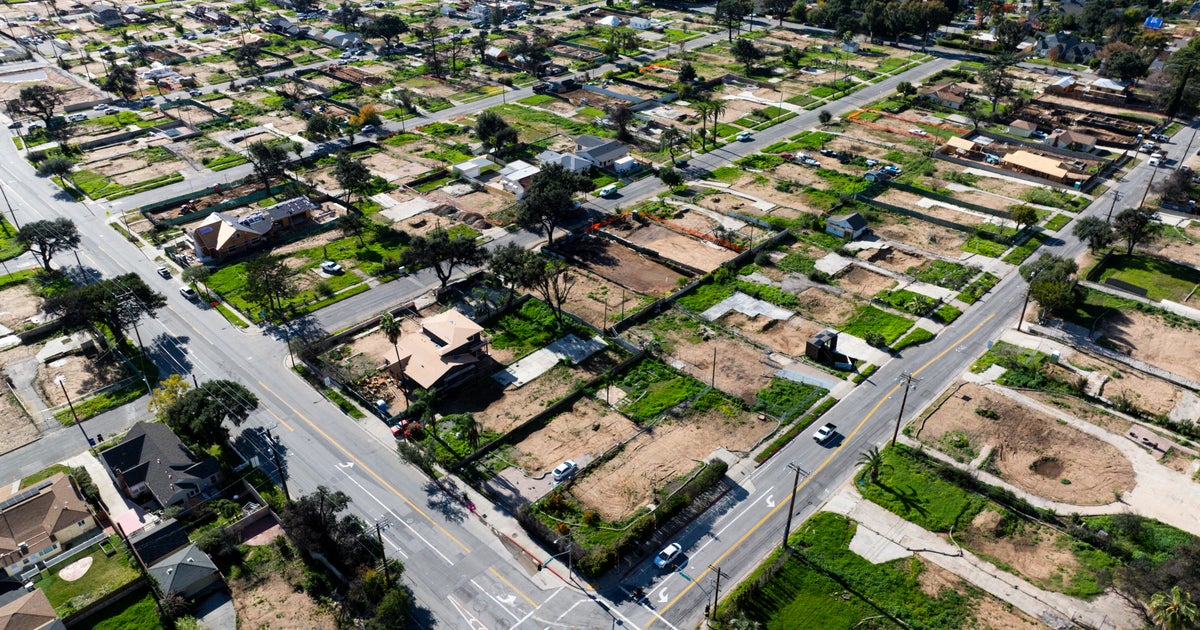
California alleges State Farm violated insurance law hundreds of times in a sample of 220 wildfire claims, with regulators seeking up to about $4 million in penalties and possible license suspension. The company is accused of slow investigations, underpayment, and improper denials tied to the 2025 Los Angeles-area fires, affecting potentially thousands of policyholders. The action adds pressure to California's already fragile homeowners insurance market and may prompt broader regulatory scrutiny of wildfire claims handling.
This is less a single-company headline than a stress test of California’s already-fragile homeowners insurance regime. The real market implication is that regulators are signaling a willingness to weaponize license risk to force claims behavior, which raises the expected cost of doing business for every large carrier with meaningful California exposure. That should widen the gap between insurers that can absorb elevated claims/settlement friction and those with thinner capital, weaker operational controls, or heavier reliance on the state’s catastrophe-prone book. The second-order effect is adverse selection acceleration: if carriers fear post-loss enforcement, they will rationally tighten underwriting, raise retentions, or reduce new writings in wildfire-prone ZIP codes even if headline premiums are allowed higher. That shifts more households toward residual pools and surplus lines, which are structurally more expensive and more volatile, reinforcing the affordability spiral. Over months, that can pressure brokered distribution and reinsurers indirectly because ceded catastrophe risk becomes harder to model when claim handling itself becomes a regulatory variable. The near-term catalyst is legal, not fundamental: fines are immaterial, but a license suspension threat is a binary headline risk that can force reserve strengthening, remediation spend, or a temporary pullback in California growth plans. Over 6-12 months, the bigger risk is contagion to peer carriers if regulators use this case as precedent for broader claim audits after future wildfire events. The contrarian view is that the market may be overestimating actual suspension probability; California cannot easily afford to disrupt the largest private home insurer, so the more likely endpoint is a negotiated settlement with process changes, not a true operating ban.
AI-powered research, real-time alerts, and portfolio analytics for institutional investors.
Overall Sentiment
strongly negative
Sentiment Score
-0.60
