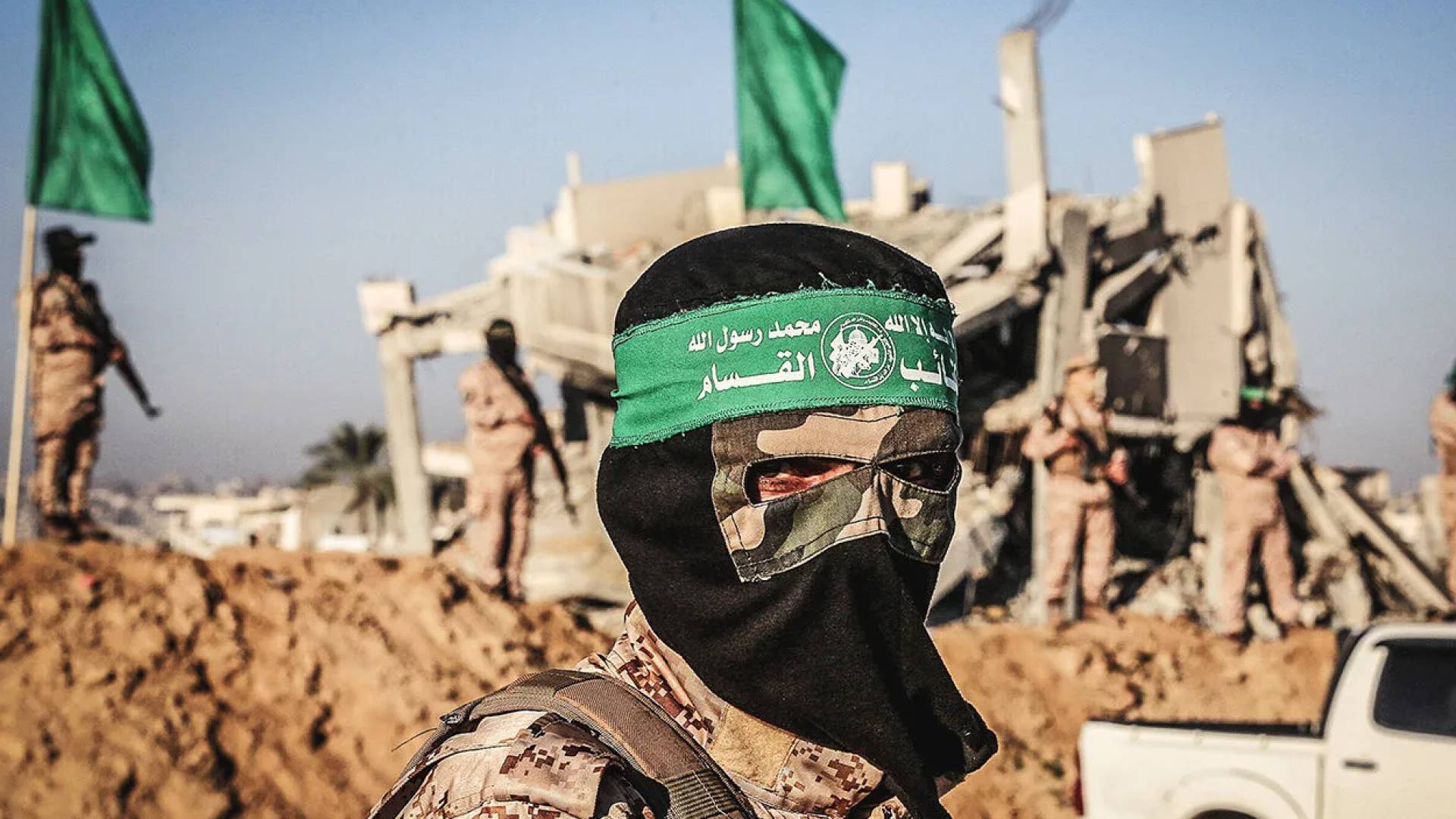
Belgium issued a royal decree banning the transit and landing of aircraft carrying military equipment to Israeli forces, a move praised by Hamas which called on other states to follow with full arms bans and political, diplomatic and military isolation. The measure raises diplomatic pressure and could modestly disrupt specific military supply routes and defense logistics, increasing regional geopolitical risk with limited direct market impact but potential implications for defense contractors and regional risk premia.
Market structure: The Belgian royal decree is a narrow but precedent-setting export-control shock that favors alternative logistics hubs and firms able to reroute military cargo (Netherlands/Germany freight handlers) while pressuring Israel-linked defense suppliers and small specialist air-freight carriers. Pricing power shifts modestly toward large global defense primes (scale, multiple routing options) and neutral-to-positive for nearby ports/air-cargo operators that pick up diverted flows; expect localized capacity tightening and ~5-10% short-term freight-rate premium on affected routes if other EU states follow.
Risk assessment: Tail risks include rapid EU-wide arms-transit bans or coordinated sanctions (low-probability, high-impact) that could cut Israeli supply lines, spike regional escalation and energy prices, and pressure Israeli equities and exporters within weeks. Immediate window: days–weeks for routing pain and tactical volatility; medium-term (3–6 months) for legal/regulatory contagion; long-term (12+ months) for altered defense procurement patterns and supply-chain realignment. Hidden dependencies: defense subcontractors with single-hub logistics or Belgian/Benelux manufacturing exposure could face outsized operational disruptions.
Trade implications: Implement tactical risk-off hedges (precise tail hedges below) while positioning for selective winners: overweight large diversified US defense primes (LMT, RTX) vs. underweight small Israeli defence exporters (ESLT) if contagion grows; favor gold and USD/CHF for immediate safe-haven demand and modest long gas/oil exposure if escalation intensifies. Use options to buy protection rather than outright directional leverage given event uncertainty and likely volatility spikes in the next 30–90 days.
Contrarian angles: Consensus will treat this as symbolic; the market may underprice the multiplier risk of EU policy contagion — if 2–3 more EU members signal similar bans within 30 days, re‑rating of Israel-exposed names could be swift (-20%+). Conversely, if it remains isolated to Belgium, the knee-jerk risk-off will be overdone and select Israeli names could rebound; history (localized embargoes) shows rapid mean reversion once logistical workarounds are in place within 4–8 weeks.
AI-powered research, real-time alerts, and portfolio analytics for institutional investors.
Request DemoOverall Sentiment
mildly negative
Sentiment Score
-0.25
