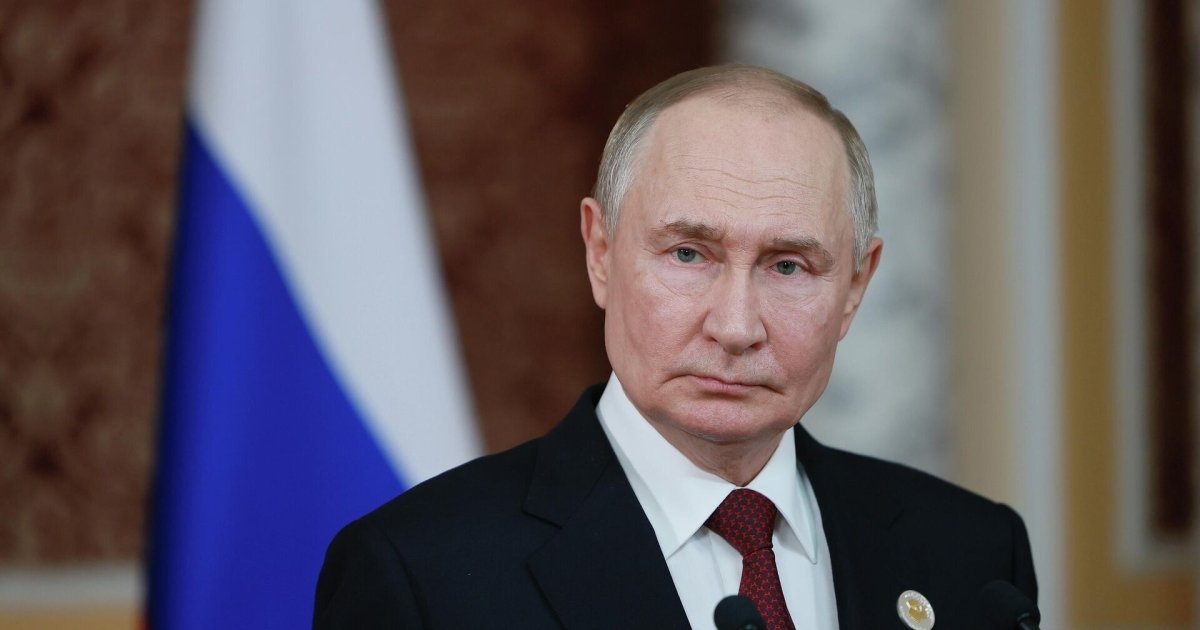
Western analysts warn that Russian President Vladimir Putin may resort to chemical weapons of mass destruction against Ukraine if cornered, noting prior uses of banned chemical agents 'thousands of times' and a likelihood that Moscow conceals a broader chemical arsenal. The prospect of WMD employment represents a significant escalation risk with potential implications for regional stability and asset classes sensitive to geopolitical shock (energy, defense, safe-haven flows), warranting close monitoring by investors despite the article's speculative framing.
Market structure: Escalation risk around potential chemical-weapons use is a classic risk-off shock that benefits defense primes (LMT, RTX, NOC, GD) and safe-haven assets (GLD, TLT, USD via UUP) while hurting EM/commodity-linked equities and any Russia-exposed names. Expect a 5–25% re-rating range for large-cap defense contractors over 3–12 months if procurement/budget flows accelerate; oil could gap +10–30% in a severe sanctions/supply-shock scenario within weeks.
Risk assessment: Tail risks include targeted attacks that trigger broad secondary sanctions or shipping/insurance embargoes (weeks), or a limited chemical incident that forces NATO policy shifts (days–months). Immediate (0–14 days) effects: volatility spike, Treasuries rally (~20–50bp fall in yields), USD up 1–2%; medium (1–6 months): defense capex and biotech/biodefense demand increase; long (6–36 months): structural higher defense spending and supply-chain reconfiguration.
Trade implications: Favored tactical plays are concentrated, time-boxed positions: buy defense primes and gold, hedge EM via protective puts, and use oil call spreads for asymmetric exposure. Use options to control downside—buy 3–6 month call spreads on oil and 3–4 month protective puts on EEM or EM credit; size positions to 1–3% of portfolio each and set strict stop-losses (10–12%).
Contrarian angles: Consensus may overpay for headline defense exposure; smaller specialty biodefense/medical suppliers (EBS, TMO) are underowned and can outperform if CBRN procurement expands. Also, if escalation is contained, oil/defense rallies could snap back 10–20%; therefore prefer staggered entries and option-defined risk to avoid momentum reversals.
AI-powered research, real-time alerts, and portfolio analytics for institutional investors.
Request DemoOverall Sentiment
strongly negative
Sentiment Score
-0.80
