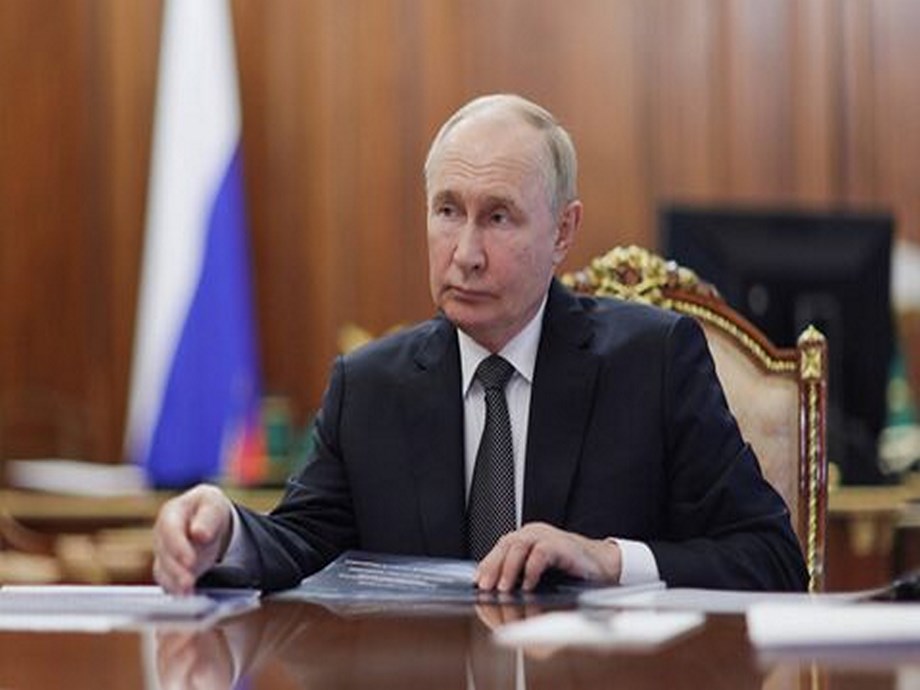
Putin signed a decree consolidating state-owned enterprises into the Russian Biological Industry Company to overhaul animal vaccine production after a severe cattle disease outbreak in Novosibirsk that prompted mass culling and rare public protests. The move is intended to secure technological independence, boost domestic veterinary vaccine capacity and reduce reliance on foreign suppliers amid Western sanctions imposed in 2022. Russian officials say domestic production will increase as U.S. authorities flagged a potential foot-and-mouth disease concern; the action is materially positive for Russia's state-directed biotech/veterinary sector but limited in broader market impact outside Russia.
This consolidation is less a short-run commercial play than the opening gambit of a multi-year import-substitution and capex cycle. State-directed consolidation concentrates funding, regulatory approval pathways, and offtake guarantees — a structure that tends to favor heavy-equipment suppliers, local engineering contractors and non-Western OEMs that can supply turnkey biologics lines without Western licensing. Expect a stepped increase in demand for fill-finish, single-use consumables and cold-chain capacity in sanctioned or non-aligned markets as Russia seeks workarounds.
The immediate supply-chain constraint is not vaccine recipes but access to specialized upstream kit: certified bioreactors, adjuvants, high-quality reagents and IP-protected assay platforms. That creates a bifurcated opportunity set: Western capital goods vendors win from geographic diversification of global vaccine buildouts, while niche Chinese/Indian OEMs gain share in markets where Western tech is restricted. Over 6-24 months this will show up as bid activity for bioprocessing equipment and aftermarket consumables outside Russia, and slower, fragmented domestic output inside Russia.
Key tail-risks: a large, uncontrolled outbreak would trigger export bans and contagion in regional livestock markets within weeks, while a failure to procure critical inputs could keep Russia dependent on gray-market channels for years. Catalysts to watch that would reverse the trend are rapid third-party tech transfers (deal announcements in 3-12 months), any easing of sanctions, or authoritative disease-clearance statements that restore pre-crisis trade flows. Operational execution risk inside state conglomerates is high and will determine whether this becomes a durable industrial capability or a costly vanity project.
AI-powered research, real-time alerts, and portfolio analytics for institutional investors.
Request DemoOverall Sentiment
mildly positive
Sentiment Score
0.15
