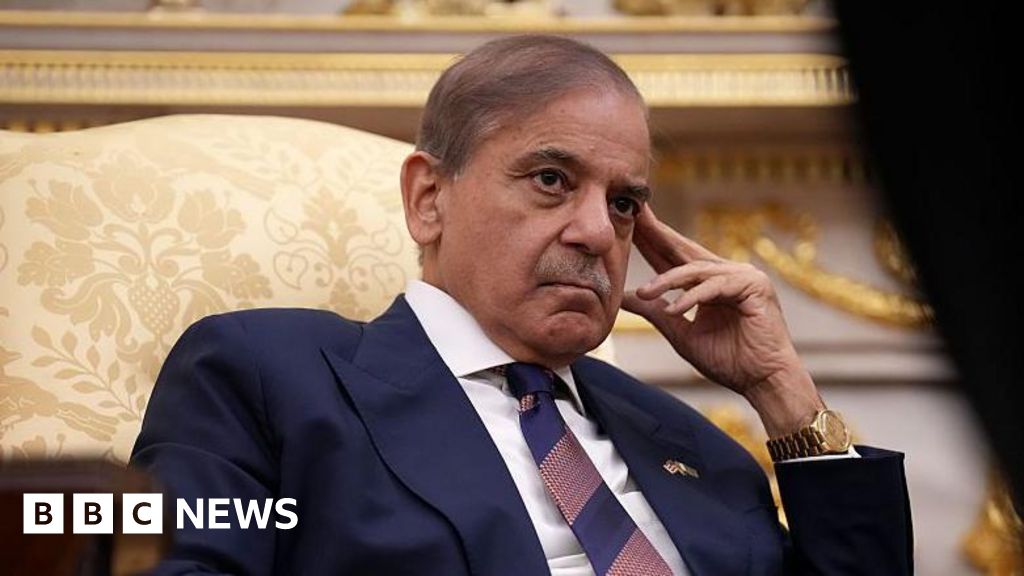
A two-week ceasefire between the US and Iran was announced after Pakistan secretly mediated talks and invited both sides to meet in Islamabad on 10 April. The agreement includes a request for Iran to open the Strait of Hormuz for the same two-week period, which should ease near-term oil-flow risk but the truce is described as fragile with deep mutual distrust. Expect sector-moving implications for energy and defense markets, but limited broader market relief until a conclusive, durable agreement is reached.
Pakistan’s role as a broker increases the probability of episodic, short-duration de‑risking events rather than a durable strategic settlement; that dynamic compresses near‑term risk premia (front‑month Brent and tanker war‑risk) for 2–6 weeks while leaving structural geopolitical risk intact. Expect front‑month Brent implied vol to fall 20–40% in that window and war‑risk insurance/loading on tanker freight (TCEs) to reprice down by an estimated 20–40%, not because supply fundamentals changed but because transitory transit risk is being insured down.
Second‑order winners in a temporary de‑escalation are flow‑sensitive instruments: tanker spot owners and the small cohort of Gulf‑route arbitrage traders see immediate P&L impacts, while travel and logistics stocks that are capacity‑constrained (airlines, certain container lines) can capture rapid demand rebounds. Conversely, pure play marine insurers, war‑risk underwriters and short‑dated oil vol sellers are hurt if the market routs insurance premia and realized volatility drops faster than fundamentals justify.
Risk setup is binary and timing‑sensitive: within days to weeks the ceasefire can either extend and normalize risk premia or collapse after a discrete provocation (another strike, a Strait closure attempt). The largest near‑term reversal catalyst is any renewed strike on critical infra (oil terminals/straits) within 2–4 weeks — that would snap implied vol and freight rates sharply higher and punish short‑vol trades.
Consensus will likely mark down energy and shipping risk premia quickly — that move is necessary but probably overdone if one remembers the low baseline of trust; volatility will remain fat‑tailed. Trade implementation should therefore favor short‑dated, liquid option structures and small, directional equity shorts on freight owners rather than large multimonth outright bets on oil prices or defense capex trajectories.
AI-powered research, real-time alerts, and portfolio analytics for institutional investors.
Request DemoOverall Sentiment
mixed
Sentiment Score
0.15
