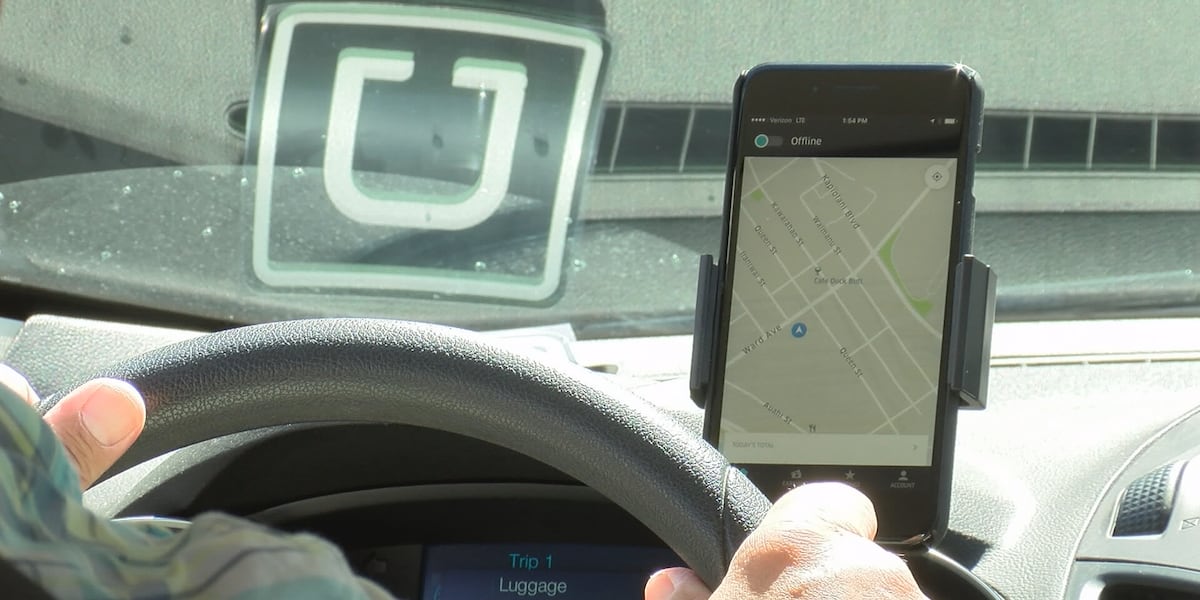
Rideshare drivers in Hawaii are facing sharply higher fuel costs, with gas prices still more than 65% above the start of the year despite a Wednesday pullback in oil. One full-time Uber driver said the extra $20 to fill up her tank is forcing her to work more than 20 additional hours per week, while part-time drivers are considering quitting or rejecting low-fare trips. Uber and Lyft are offering driver relief programs through May 26, but the article highlights ongoing margin pressure on drivers from elevated energy costs and platform fees.
The immediate economic damage is not to consumer demand broadly, but to driver supply elasticity. When variable costs spike while platform take rates stay sticky, the marginal driver responds by rationing hours, cherry-picking fares, or exiting entirely; that tends to show up first in off-peak coverage and airport wait times rather than headline ride counts. For UBER and LYFT, that means a potentially ugly mix of lower marketplace liquidity and more surge-heavy pricing, which can preserve gross bookings in the short run but eventually pressures conversion if riders see reliability deteriorate.
The second-order effect is that higher fuel costs are effectively a regressive tax on supply in lower-density, lower-fare markets, where per-mile economics are weakest. That favors the larger platform with better dispatch density and stronger multi-vertical monetization because it can spread incentive spend across more trips and more geographies; the smaller player is more exposed to adverse selection in a weak driver cohort. Over a 1-3 month horizon, any relief in crude can mechanically improve driver availability faster than it improves consumer demand, so the near-term signal to watch is not oil alone but weekly ride completion and cancellation metrics.
The consensus may be underestimating how quickly this can become a labor-retention issue rather than a pure cost issue. Once drivers reallocate hours elsewhere, it is sticky: even a sharp gasoline decline usually takes weeks to rebuild supply because workers need confidence that margins will stay normalized, not just temporarily improve. That creates a setup where platform earnings can look fine for a quarter while service quality quietly degrades, setting up a later re-rating risk if management has to reintroduce subsidies or lower take rates to stabilize supply.
AI-powered research, real-time alerts, and portfolio analytics for institutional investors.
Request DemoOverall Sentiment
mildly negative
Sentiment Score
-0.35
Ticker Sentiment
