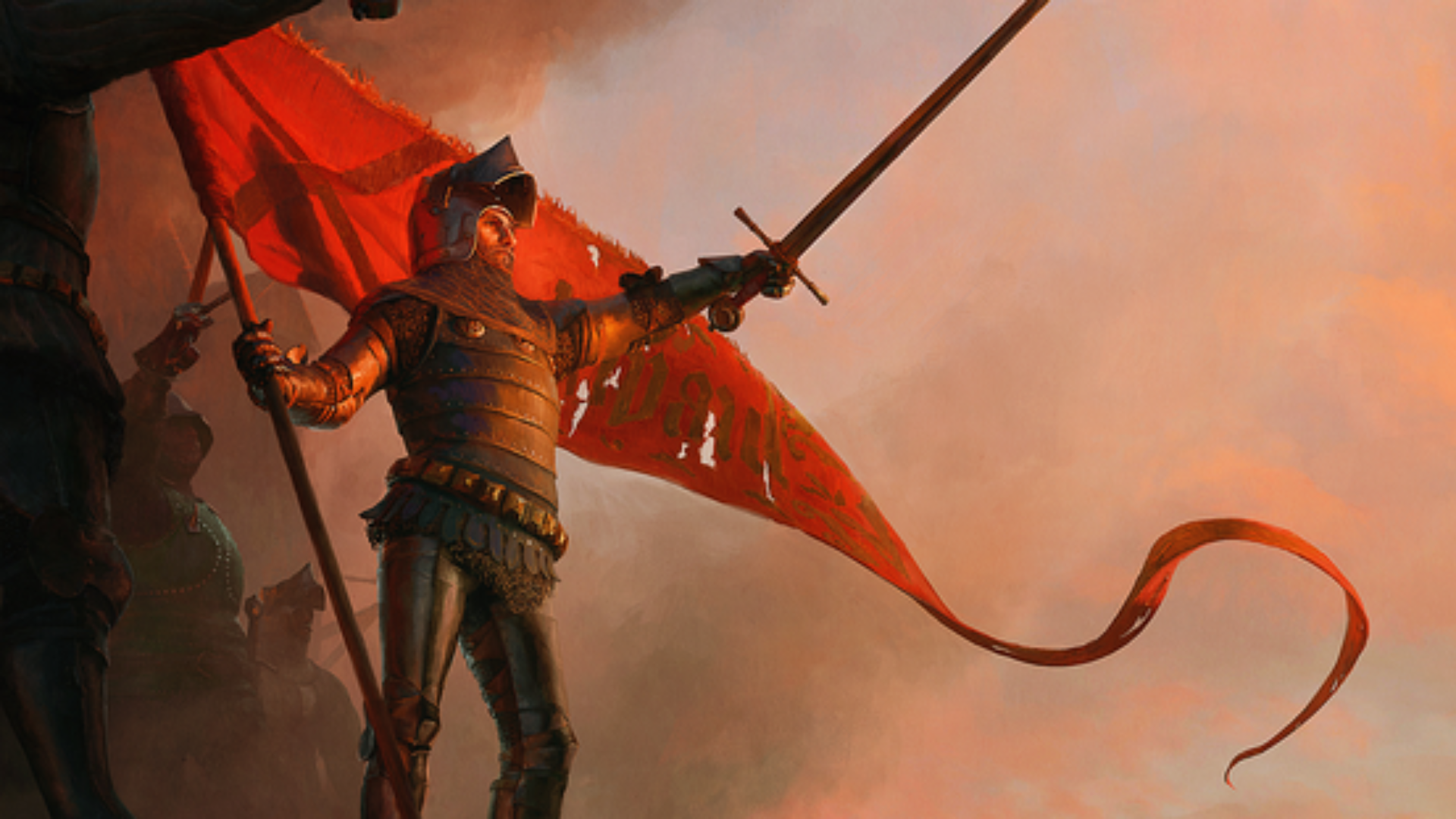
Hooded Horse CEO Tim Bender has instituted contractual bans on generative AI assets for games the publisher handles, citing risk that AI-generated placeholder art can 'slip through' into final releases and cause reputational or compliance problems. He points to prior incidents at Ubisoft and the high-profile Clair Obscur case as evidence, signaling increased oversight and stricter contract terms for developers; the development raises operational and IP risk for studios and publishers but is unlikely to move markets materially in the near term.
Market structure: Publishers that embrace generative AI tools (EA, MSFT/Activision play) are positioned to capture incremental productivity and lower art/content unit costs, while boutique/indie studios and UGC platforms (e.g., Roblox) face higher QA/moderation and IP risk. Expect a modest re-pricing: 3–7% margin pressure for resource-constrained indies over 6–12 months versus 2–4% incremental operating leverage for large, AI-capable publishers. Cross-asset: small-cap gaming credit spreads could widen 25–75bp; equity implied vols for indie names should rise 10–30% on headline risk; FX/commodities immaterial.
Risks: Tail scenarios include rapid regulation or precedent-setting litigation (copyright training bans or heavy fines) that could knock 10–30% off valuations of AI-dependent platforms within 6–18 months. Immediate risks (days–weeks): reputational shocks from exposed AI assets causing selloffs; short-term (1–3 months): higher content moderation costs and delayed releases; long-term (1–3 years): structural bifurcation between AI-adopters and AI-purists. Hidden dependency: placeholder assets leaking through CI/CD pipelines and legacy contract language creating legal exposure.
Trade implications: Favor large-cap, AI-exposed winners and infrastructure (EA, NVDA, MSFT) and underweight/short smaller public indie/UGC platforms (RBLX). Use pairs to express view: long EA vs short RBLX. Options: buy EA 3‑month calls 10% OTM sized 0.5–1% notional and NVDA 6‑month calls 15% OTM 1% notional to play asymmetric upside while limiting capital at risk. Rotate 4–8% portfolio weight from small-cap gaming into AI infrastructure over next 1–4 weeks; trim positions on +15–25% moves or after major earnings.
Contrarian angles: The market may underappreciate that a strict anti-AI stance can be monetized—publishers advertising “no AI assets” could command a 2–5% price premium and higher retention in a quality-conscious segment. Conversely, an overreaction that punishes all gaming equities by 15–30% would create selective buy opportunities in well-capitalized studios with strong IP. Historical parallel: platform moderation shocks (e.g., 2018 content controversies) created 6–12 month windows for active reallocation into winners; monitor litigation outcomes and award/award-disqualification headlines over the next 3–12 months as key catalysts.
AI-powered research, real-time alerts, and portfolio analytics for institutional investors.
Request DemoOverall Sentiment
moderately negative
Sentiment Score
-0.25
Ticker Sentiment
