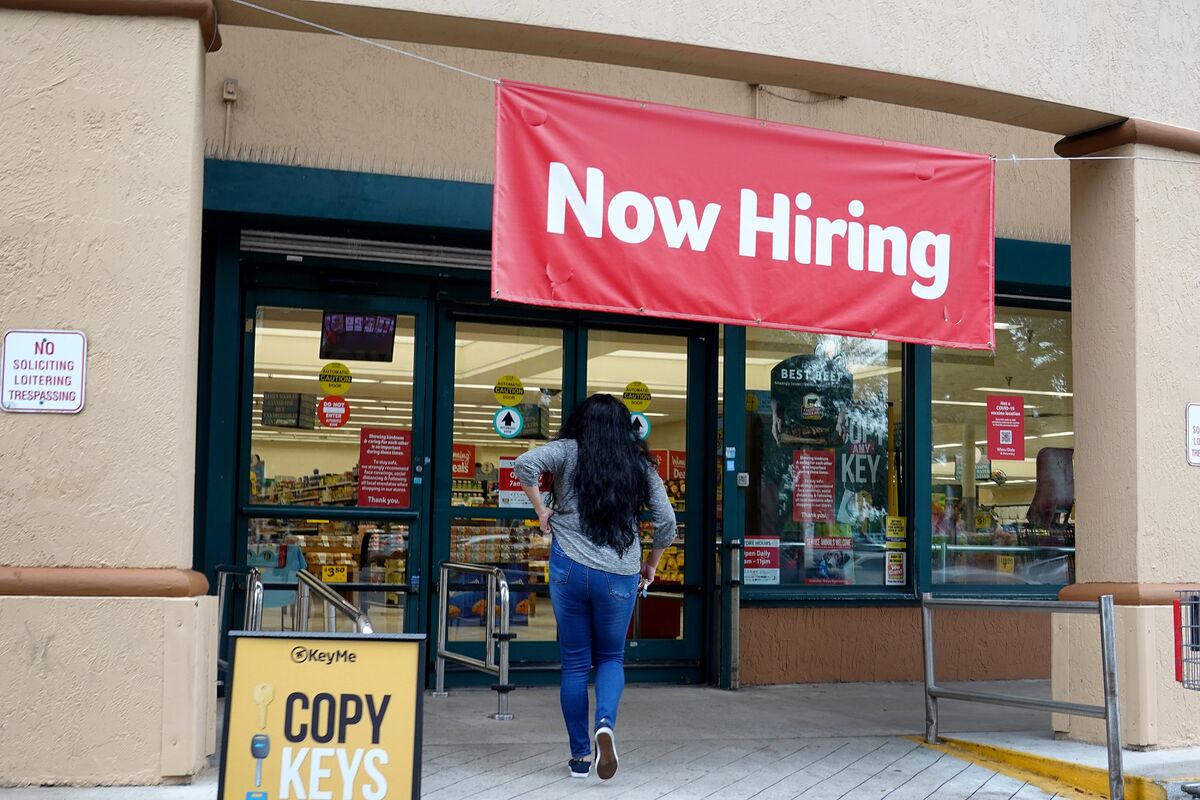
US job openings were little changed in August, ticking up slightly to 7.23 million from a revised 7.21 million in July, signaling a continued gradual easing of labor demand. Despite few layoffs, subdued hiring activity suggests the labor market is settling into a more balanced state after peaking in early 2022, with available positions holding within a narrow range for the past year.
The US labor market demonstrated signs of stabilization in August, with job openings holding steady at 7.23 million, a marginal increase from July's revised 7.21 million. This data suggests that the aggressive cooling of labor demand seen since the peak in early 2022 has subsided, with available positions now consolidating within a narrow range over the past year. The combination of subdued hiring and concurrently few layoffs points to a market in equilibrium rather than one undergoing a sharp contraction. This state of gradual, controlled easing in labor demand, reflected in the mixed sentiment and uncertain tone signals, is a critical input for assessing the trajectory of monetary policy, as it suggests the labor market is cooling without collapsing.
AI-powered research, real-time alerts, and portfolio analytics for institutional investors.
Request DemoOverall Sentiment
mixed
Sentiment Score
0.00
