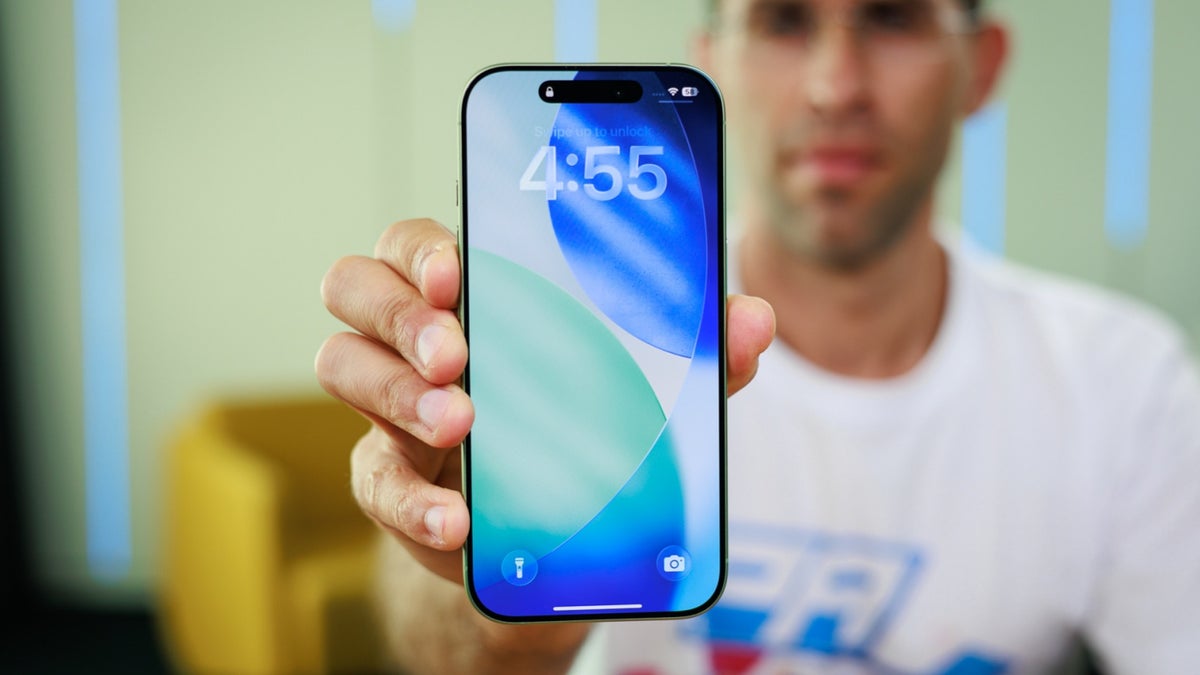
Apple's base iPhone 17 was the world's best-selling smartphone in Q1 2026, taking about 6% of global handset sales and outpacing the 17 Pro Max, which was second. Apple also held the top three spots overall, while Samsung placed five Galaxy A models in the top ten, highlighting strong consumer demand for both brands but a clear volume win for Apple's latest lineup.
The key takeaway is not that Apple is winning share; it is that the mix is shifting toward the base model while still preserving premium halo demand. That combination is unusually attractive because it suggests Apple can defend unit leadership without having to discount the Pro tier, implying better gross margin durability than a pure volume-led cycle. The near-term implication is positive for iPhone ASP stability and for attach rates into services, accessories, and carrier financing programs, which tend to monetize a larger installed base better than a smaller pool of Pro buyers. The second-order read-through is on channel inventory and production mix. If the base model is clearly outpacing Pro/Pro Max, Apple may need to keep a higher proportion of capacity allocated to the standard SKU, which should support utilization at key assemblers and component suppliers tied to the non-Pro bill of materials. The risk is that a stronger base-model mix can cannibalize premium configurations over the next 1-2 upgrade cycles, pressuring blend ASPs even if total unit demand remains healthy. From a catalyst standpoint, the next 1-2 quarters matter more than the current print. The market will care whether this is a launch-quarter novelty effect or a durable preference for lower-friction upgrades; if the latter, it argues Apple may delay value-heavy launches while leaning harder into pro-tier differentiation. The contrarian angle is that this may actually be an execution win, not a warning sign: Apple can absorb softer premium mix because ecosystem monetization and buyback support make earnings less sensitive to model mix than headline unit rankings suggest. For competitors, Samsung’s broad presence at the low end reinforces that the fight is increasingly being won on affordability and refresh cycles, not flagship specs. That keeps pressure on Android OEM margins and favors suppliers with leverage to the volume end of the market over those dependent on ultra-premium launch cycles. The bigger hidden risk for Apple is not demand collapse; it is that a successful base iPhone creates a structurally tougher comparison for next year’s replacement cycle if consumers perceive limited incremental value in the sequel.
AI-powered research, real-time alerts, and portfolio analytics for institutional investors.
Request DemoOverall Sentiment
moderately positive
Sentiment Score
0.35
Ticker Sentiment
