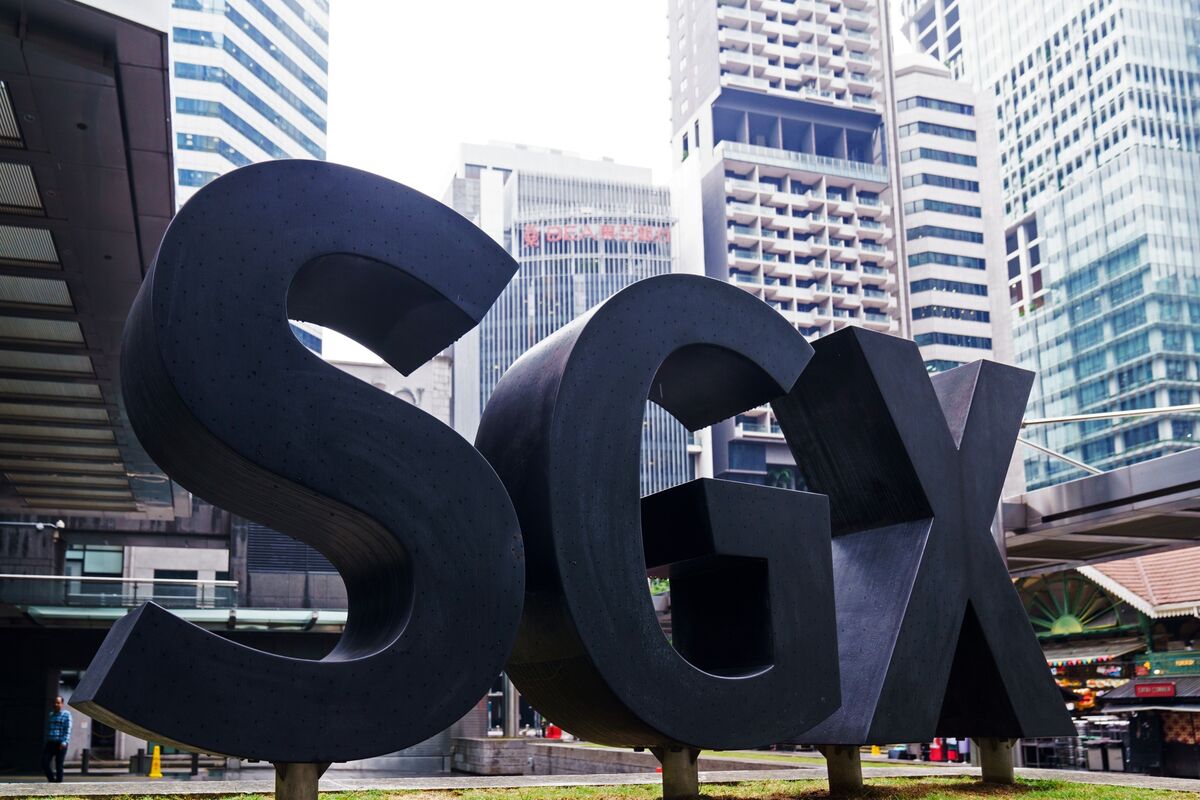
Singapore Exchange Ltd. has held preliminary talks with Cboe Global Markets and its advisers about a potential offer for Cboe’s Australian unit, according to the Australian Financial Review citing people familiar with the matter. If pursued, the deal would represent consolidation in Asia-Pacific exchange infrastructure and could expand SGX’s product mix and market footprint, but talks are at an early stage and outcomes, regulatory implications and valuation remain uncertain.
Market structure: An SGX bid for Cboe Australia would concentrate regional derivatives and equities trading under a larger APAC exchange operator, likely boosting SGX’s fee revenue and derivatives volumes by a low-double-digit percentage within 12–24 months if integration succeeds. Winners: SGX (S68.SI) and local brokers gaining access to deeper product stacks; Losers: incumbent ASX (ASX.AX) and niche trading venues facing pricing pressure and liquidity migration. Expect tightening of bid/ask spreads in Australian options and modest AUD inflows into SGD funding corridors during transaction execution.
Risk assessment: Key tail risks are regulatory rejection in Australia/Singapore, antitrust conditions that force divestitures, or integration failures that cut projected synergies by >50%. Immediate (days) volatility will be rumor-driven; weeks/months see due diligence and potential break fees; long-term (quarters/years) effects hinge on client retention and tech integration. Hidden dependency: client contract portability and clearing arrangements (CCP links) — loss could materially reduce expected revenue.
Trade implications: Direct plays: event-driven longs in CBOE (CBOE) if sale proceeds fund buybacks or deleveraging; tactical longs in SGX (S68.SI) on confirmed offer. Pair trade: long SGX vs short ASX to capture regional share shift. Options: buy 3–6 month call spreads on CBOE or SGX on confirmation, or buy straddles to capture post-announcement IV spikes; target exits at +20–30% and hard stops at -10%.
Contrarian angles: Market may overprice certainty — regulatory friction historically delays cross-border exchange deals by 3–9 months; a failed bid could cause a >10% retracement in related names. Also, CBOE could prefer retaining Australian cashflows for strategic growth, meaning the rumor is as likely an exploration as a sale. Watch for competing bidders that could bid the asset up >15% versus pre-rumor levels, which would flip long/short signals.
AI-powered research, real-time alerts, and portfolio analytics for institutional investors.
Request DemoOverall Sentiment
neutral
Sentiment Score
0.12
Ticker Sentiment
