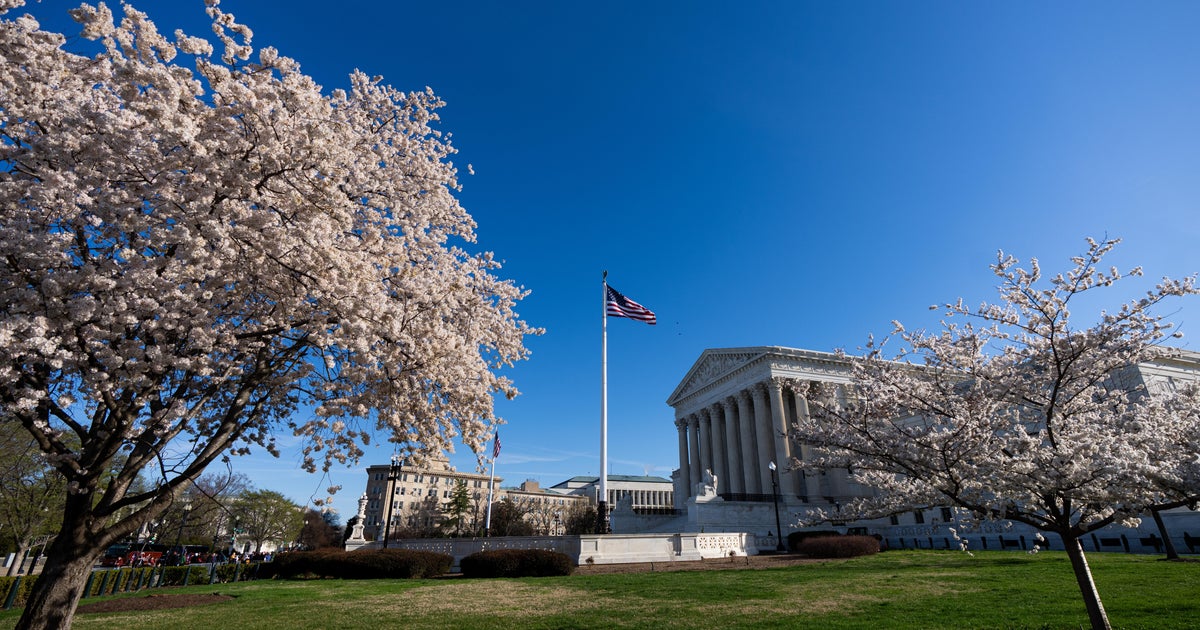
The Supreme Court will hear arguments this week in Trump v. Barbara on the legality of President Trump's executive order to end birthright citizenship, with a decision expected by late June or early July. If upheld, the order would prospectively bar citizenship for children born to parents in the U.S. unlawfully or temporarily (applying to births more than 30 days after it takes effect) and could cast doubt on the status of millions of people; lower courts have blocked enforcement and the dispute centers on the 14th Amendment and its codification in federal statute.
This case is primarily a policy and legal event, but its second-order economic footprint is underappreciated: a Supreme Court endorsement of a narrower birthright rule would instantly create months-to-years of legal uncertainty around documentation, benefits eligibility, and voter rolls that many operational systems were never stress‑tested for. Expect idiosyncratic compliance expenditures (banks, payroll processors, state DMVs, passport offices) to jump and for service providers that re-verify identity and status to see outsized revenue upside as governments and firms buy defensive tooling.
Labor-market channels are the clearest transmission mechanism to corporate margins: firms with concentrated low‑skill immigrant workforces (food service, agriculture, some construction segments) would face hiring frictions and potential wage pressure as households recalculate mobility and legal exposure; even a modest 1–3% rise in labor cost for these sectors would compress EBITDA by multiples for thin-margin operators. Conversely, vendors of automation, verification, and contingent workforce management stand to benefit as firms substitute capital and compliance for uncertain labor supply.
Near-term market action will be dominated by binary-event volatility rather than fundamental re-rating: political-legal outcomes could flip sentiment quickly and ripple into election pricing, state budgets, and long-horizon demographic assumptions impacting Social Security and immigration‑sensitive fiscal forecasts. The prudent play is asymmetric hedging around the oral-argument/decision window and selectively harvesting optionality into names tied to compliance, identity verification, and defense/security capex if the legal regime shifts in favor of enforcement-focused policy.
AI-powered research, real-time alerts, and portfolio analytics for institutional investors.
Request DemoOverall Sentiment
neutral
Sentiment Score
0.00
