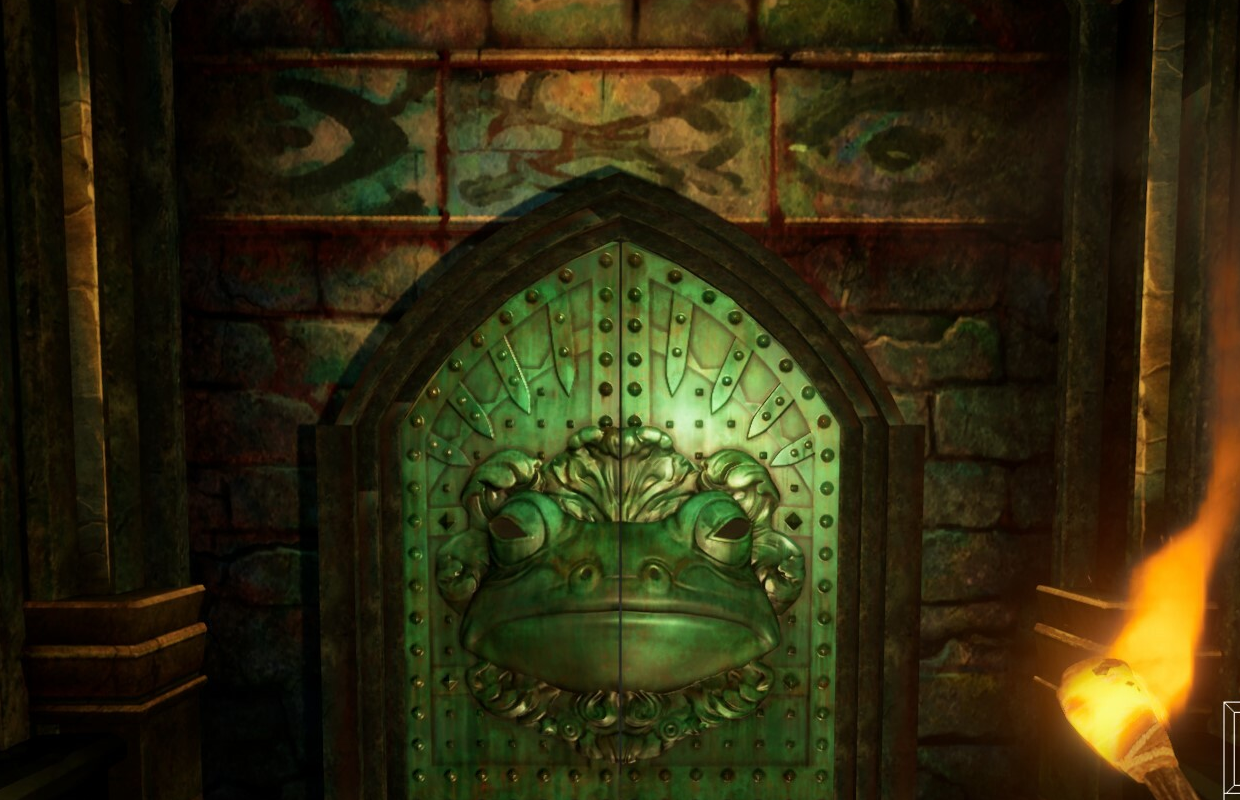
Atari acquired the complete and exclusive rights to the first five Wizardry games and their underlying IP, including related contracts and other IP, with plans for remasters, collections, physical and digital releases, and new Wizardry-based products. The deal supports a broader franchise strategy spanning merchandise, books, comics, and TV/film projects, though Drecom says it still retains trademark rights to Wizardry in Japan and overseas for titles 6-8. The news is positive for Atari’s content library but is unlikely to be a major near-term market mover.
This is less a single-IP story than a low-capital, high-ROIC content stripping exercise. The economic value likely sits in remaster/collection monetization and merch licensing, not in the core legacy titles themselves, which should carry low development risk and fast payback if Atari can reuse existing code, art, and community goodwill. The market may underappreciate that “physical + digital + new releases” creates multiple revenue windows per SKU, while the broader franchise thesis gives Atari optionality on transmedia without requiring meaningful upfront balance-sheet spend.
The first-order winner is Atari, but the second-order beneficiary is the long-tail publishing ecosystem: Digital Eclipse-style preservation studios, specialty physical distributors, and platform holders that profit from catalog engagement. The likely loser is any residual pricing power in competing retro RPG bundles, because a credible official owner can now re-anchor the category and siphon demand away from unofficial emulations and fan projects. The Drecom trademark clarification matters because it constrains the franchise expansion narrative; the market should value this as a segmented rights deal rather than a clean, global roll-up.
Catalysts are staggered: near-term upside comes from store-page updates, wishlist conversions, and collector edition preorders over the next 1-3 quarters; medium-term upside depends on whether remasters cross over to mainstream nostalgia audiences, which is a 6-18 month process. The main tail risk is legal ambiguity around trademark territory and universe continuity, which could delay cross-media plans or force costly localization/licensing work. Another risk is overestimating the size of the retro RPG audience: if the remasters are niche-only, the franchise value remains a small contribution to enterprise value and the stock can give back on hype fade.
The contrarian read is that the announcement is not about immediate earnings, but about Atari compounding a “rights arbitrage” platform: acquire dormant IP cheaply, repackage it repeatedly, then use demonstrated engagement to justify adjacent products. That said, the move is probably modestly over-owned in narrative terms and under-owned in actual cash flow terms, so any pullback on headline enthusiasm could be a better entry than chasing the first spike.
AI-powered research, real-time alerts, and portfolio analytics for institutional investors.
Request DemoOverall Sentiment
mildly positive
Sentiment Score
0.35
