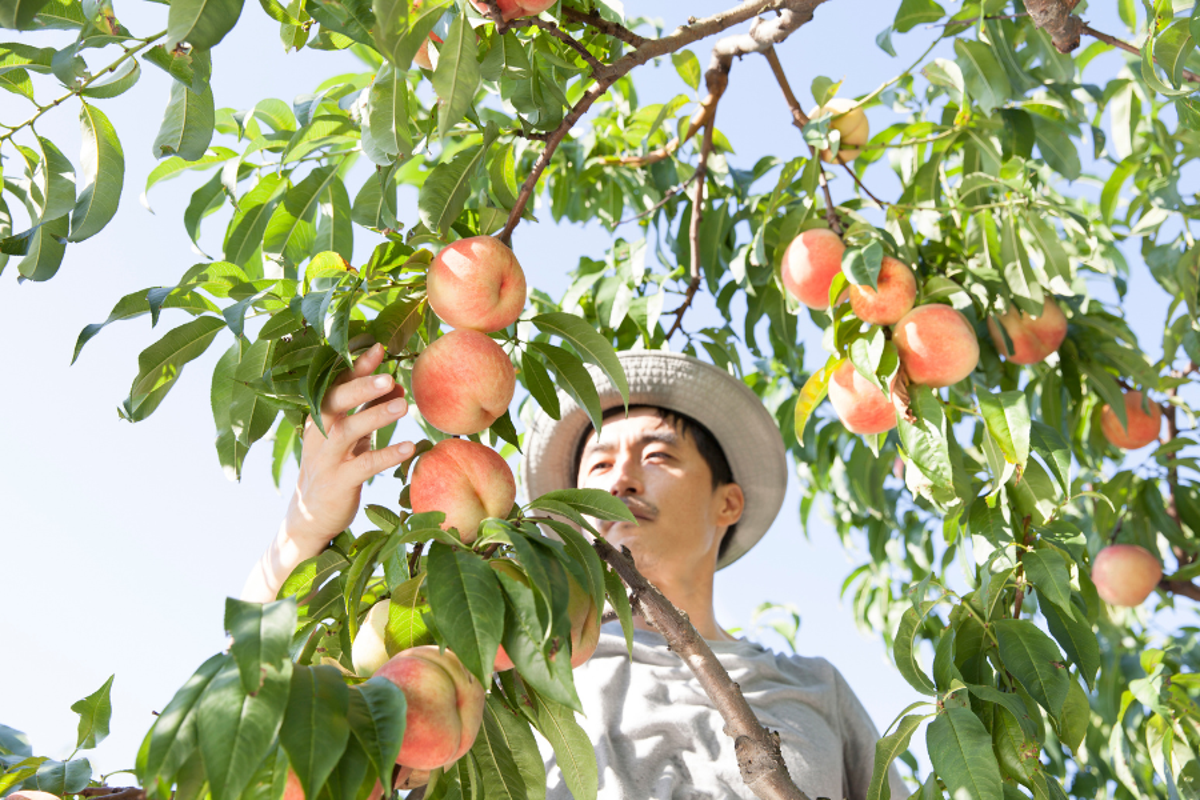
California peach growers are set to destroy about 420,000 clingstone peach trees, removing roughly 50,000 tons of production and risking an estimated $550 million in lost revenue after Del Monte's cannery shutdowns. Federal aid of up to $9 million will fund orchard removals across about 3,000 acres and is intended to prevent an additional $30 million in losses by reducing oversupply. Del Monte's bankruptcy-driven plant closures have left growers with few buyers, forcing a major supply chain reset for Central Valley peach farms.
This is less a one-off agricultural headline than a reminder that processing concentration creates stranded-asset risk in upstream farming. When a single buyer controls orchard economics, the shock propagates backward into land values, water allocations, equipment utilization, and seasonal labor demand; the federal tree-removal aid is effectively a forced industry re-capitalization to prevent a more disorderly liquidation of crop supply. The immediate macro effect is deflationary for clingstone peach pricing, but the second-order effect is a reallocation of acreage toward higher-return permanent crops, which may tighten supply in adjacent categories over the next 12-24 months.
The real balance-sheet damage is time-based: growers need cash now, while orchard removal only restores optionality for next season. That means the risk window is the current harvest cycle, not just the bankruptcy event. If Pacific Coast Producers or other regional processors do not step in with more volume contracts, the downside extends beyond peaches to debt service stress for farm lenders, irrigation contractors, and rural equipment dealers that depend on orchard maintenance spending.
The contrarian read is that the emergency aid may be enough to prevent a worse oversupply collapse, so the negative impulse to the farm economy could be front-loaded rather than persistent. In other words, the market may be overestimating the duration of pain for the broader Central Valley complex while underestimating the medium-term benefit to competing crops from acreage conversion. The cleanest setup is to fade the most exposed local-service names near term, while looking for beneficiaries in alternative specialty crops if tree removal accelerates land replanting decisions.
From a policy lens, this is also a signal that politically sensitive agricultural disruptions can trigger rapid fiscal intervention when processing infrastructure fails. That lowers tail risk for lenders with diversified agricultural books, but increases moral hazard around processor concentration and may keep acquisition interest alive in distressed food-processing assets where strategic buyers can lock up supply chain control at low valuations.
AI-powered research, real-time alerts, and portfolio analytics for institutional investors.
Request DemoOverall Sentiment
strongly negative
Sentiment Score
-0.65
