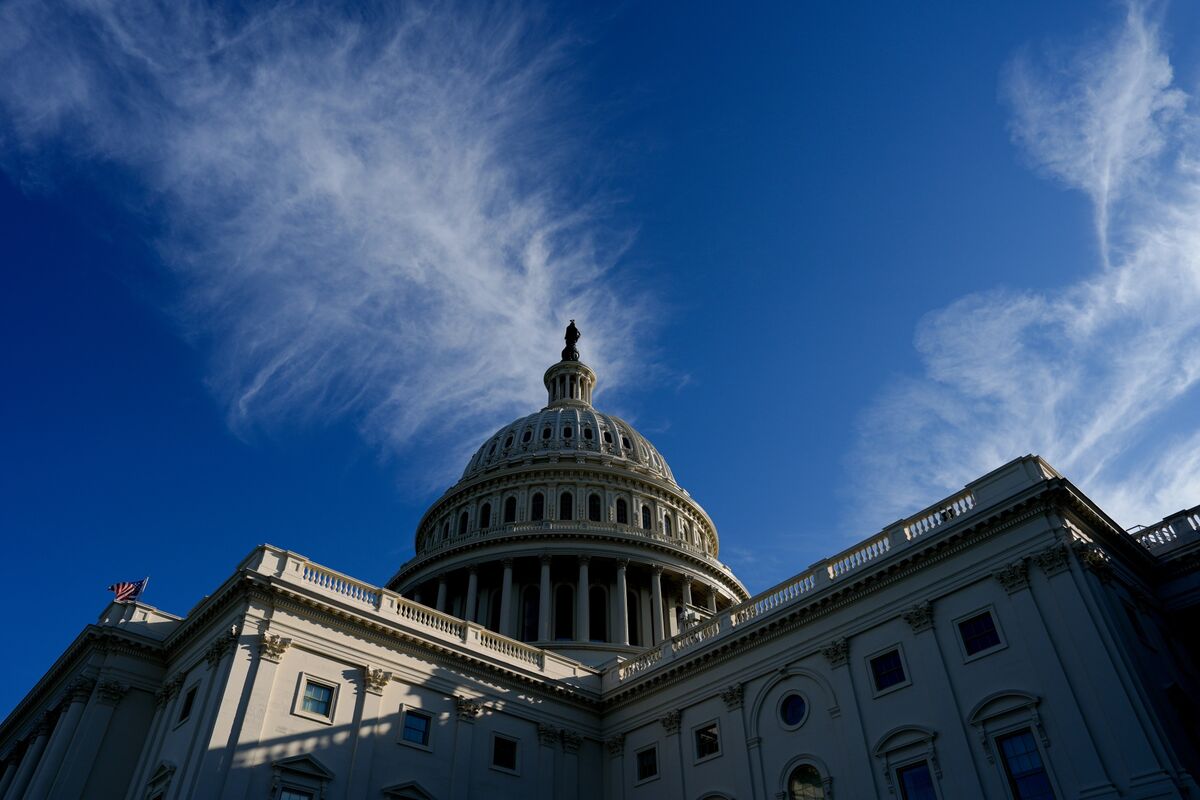
The US government has recently entered a shutdown, its first in nearly seven years, but the immediate market and media reaction indicate a perceived minimal impact, with the article suggesting it doesn't matter 'not a lot — yet.' This implies a muted initial response due to the recurring nature of such events, though potential future concerns remain if the situation persists.
The recent US government shutdown, the first in nearly seven years, is currently being treated as a low-impact event by markets, reflecting a desensitization to what has become a recurring political development. The muted media and market response, quantified by a low market impact score of 0.25 and a mixed sentiment signal, suggests that investors do not perceive an immediate threat. However, the crucial qualifier 'not a lot — yet' from the source material introduces a significant element of forward-looking uncertainty. This indicates that while the initial disruption to economic activity and market sentiment is minimal, a prolonged shutdown has the potential to escalate into a more serious concern, shifting the narrative from a routine political maneuver to a genuine headwind for the economy and risk assets.
AI-powered research, real-time alerts, and portfolio analytics for institutional investors.
Request DemoOverall Sentiment
mixed
Sentiment Score
-0.10
