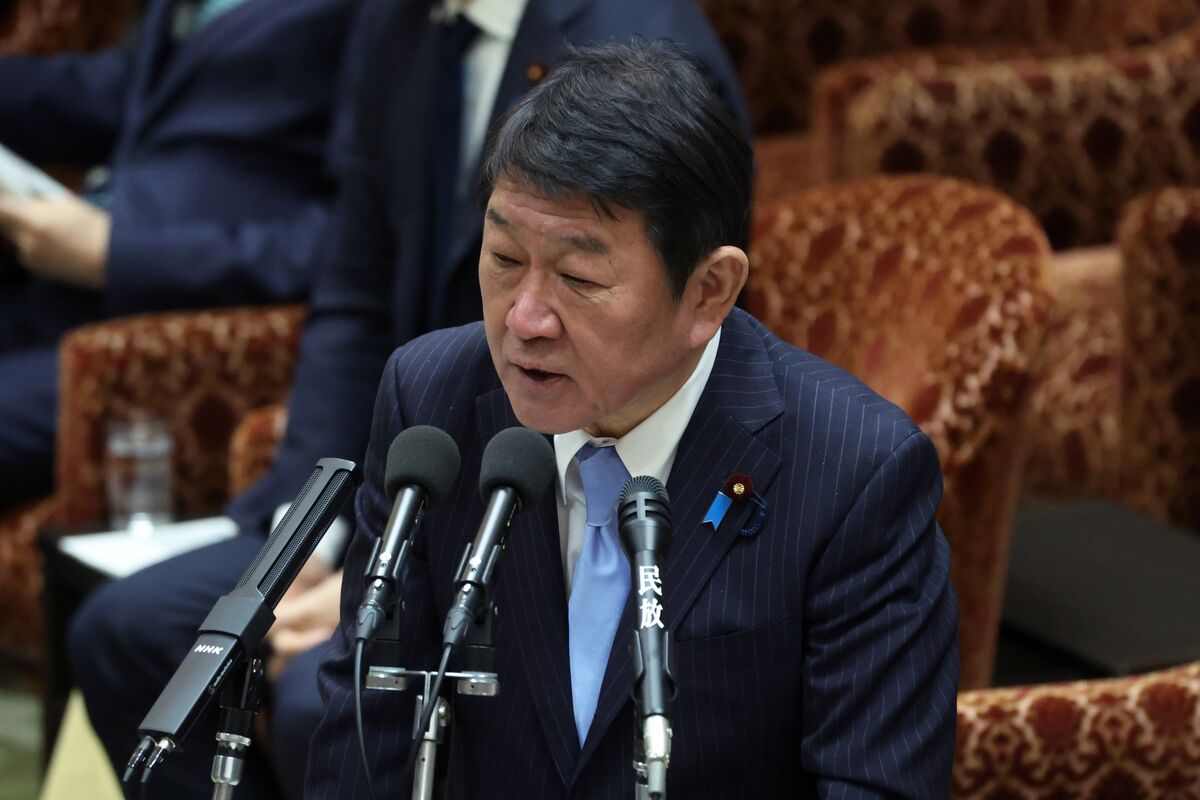
Japan urged diplomacy in a 30-minute call with Iran, emphasizing the need to preserve the fragile Iran-US ceasefire and maintain safe navigation through the Strait of Hormuz. The message is supportive of de-escalation but contains no new policy action or concrete breakthrough. Market relevance is centered on geopolitical risk, especially for oil shipping routes and broader Middle East stability.
This is less a directional geopolitical update than a volatility-management signal: a public push to preserve the status quo reduces near-term probability of an energy shock, but it does not eliminate the tail. The market implication is a modest compression of the risk premium embedded in crude, refined products, shipping, and regional defense names, especially if positioning had drifted defensive on the assumption of immediate escalation.
The more interesting second-order effect is on logistics optionality. Even a fragile détente tends to improve routing confidence through the Gulf, which supports tanker utilization planning, bunker spreads, and inventory cycle normalization for Asian refiners and importers. Conversely, any renewed friction would show up first in insurance premia, freight rates, and time-charter rates before it fully transmits into headline crude, so those are the cleaner leading indicators over the next 1-4 weeks.
Consensus may be overestimating how quickly diplomatic signaling can re-anchor energy markets. The true risk is not a clean breakout or immediate de-escalation, but a sequence of short-lived calm punctuated by episodic incidents that keep implied vol elevated while spot prices mean-revert. That favors options structures over outright directional exposure, because the market may underprice the chance that a single navigation incident forces a fast 5-10% move in crude and a sharper move in freight-linked equities.
The contrarian angle is that a sustained ceasefire narrative can be bearish for the very assets that had begun to price in persistent stress: defense, shipping insurance, and select integrated energy hedges. If diplomacy holds for several weeks, the unwind could be more violent than the initial risk-on move because positioning in these hedges is typically crowded and sticky.
AI-powered research, real-time alerts, and portfolio analytics for institutional investors.
Request DemoOverall Sentiment
neutral
Sentiment Score
0.00
