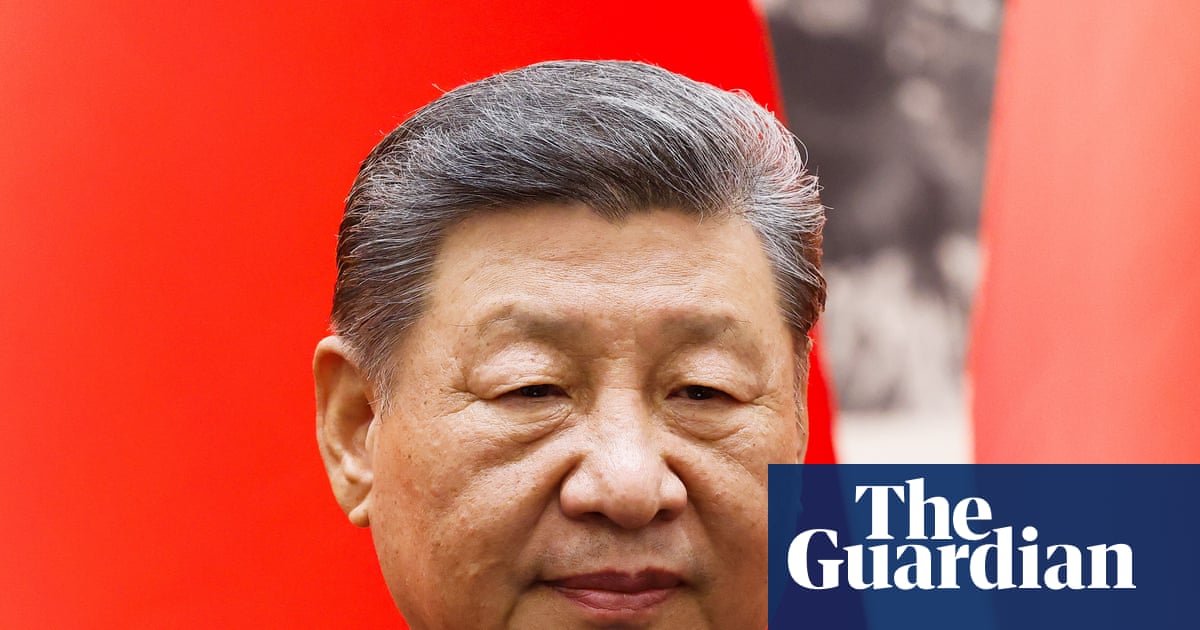
Chinese leader Xi Jinping told Donald Trump that Beijing’s claim to Taiwan remains unchanged during a phone call that also covered Ukraine and efforts to build on a fragile US–China trade truce. The bilateral détente from an October meeting includes a one-year suspension of certain export restrictions on critical minerals, a China commitment to buy at least 12m metric tons of US soya beans this year and 25m metric tons in 2026, and discussion of a rare-earths supply deal targeted by the US Treasury by Thanksgiving. Rising cross-strait and China–Japan tensions — including threats of military intervention and trade/cultural countermeasures — increase geopolitical risk even as leaders plan reciprocal state visits (Trump to China in April; Xi to Washington in 2026), creating a mixed backdrop for supply-chain-exposed sectors and commodities tied to rare earths.
Market structure: The détente plus large China soybean purchases likely supports US agricultural exporters and equipment makers—expect a 5–12% supportive move in soybean prices and a 10–25% EPS tailwind for pure-play grain merchandisers over 3–12 months if shipments execute. A temporary suspension of critical-mineral export curbs eases near-term supply constraints for semiconductors and EV battery makers, reducing input-cost pass-through and compressing pricing power for non-China rare‑earth juniors. Cross-asset: anticipate commodity upside (soybeans) and lower realized volatility in base rare earths if a supply deal is finalized, modest CNY stability vs USD, and rotation from safe‑haven bonds into cyclical equities (steeper curve risk).
Risk assessment: Tail risks remain asymmetric—low‑probability Taiwan military escalation or reimposition of export controls would spike commodity and defense prices and freeze shipping corridors; model 30–60% instantaneous price moves in critical metals and 15–30% in agricultural freight. Short term (days–weeks) watch shipment confirmations and Treasury rulings; medium (3–12 months) is trade flow execution; long term (1–3 years) expect policy-driven reshoring and diversification that reduces commodity concentration risk. Hidden dependencies include insurance/letters of credit, port capacity, and bank compliance which can delay shipments by 30–90 days and materially alter forward curves.
Trade implications: Direct plays: overweight US ag exporters (ADM, BG) and Deere (DE) for 3–12 months via cash and 3–6 month call spreads sized 2–3% portfolio each; play soybean upside via SOYB or nearby futures targeting +15% and stop −12%. Use defensive/geopolitical hedge: 1–2% long in Lockheed (LMT) or RTX for 6–12 months to offset tail shock. For rare earths, prefer a relative trade: long MP Materials (MP) 1–2% vs short Lynas (LYCDF) 1–2% for 3–9 months to capture onshore supply premium reprice if China deal reduces Chinese export leverage.
Contrarian angles: Markets may underprice that the current détente is fragile and reversible—if the China purchases are front‑loaded and later curtailed, soybean futures could retrace >20% into planting cycles; similarly, a Treasury block on a rare‑earth deal would re‑inflate junior miner premiums. Historical parallel: 2019 US–China truce shows commodity and equity impacts are front‑loaded then reversed; prefer staged entries with event triggers (shipment confirmations, Treasury rulings, state visit dates) and tight stops to exploit rapid re‑ratings.
AI-powered research, real-time alerts, and portfolio analytics for institutional investors.
Request DemoOverall Sentiment
mixed
Sentiment Score
0.00
