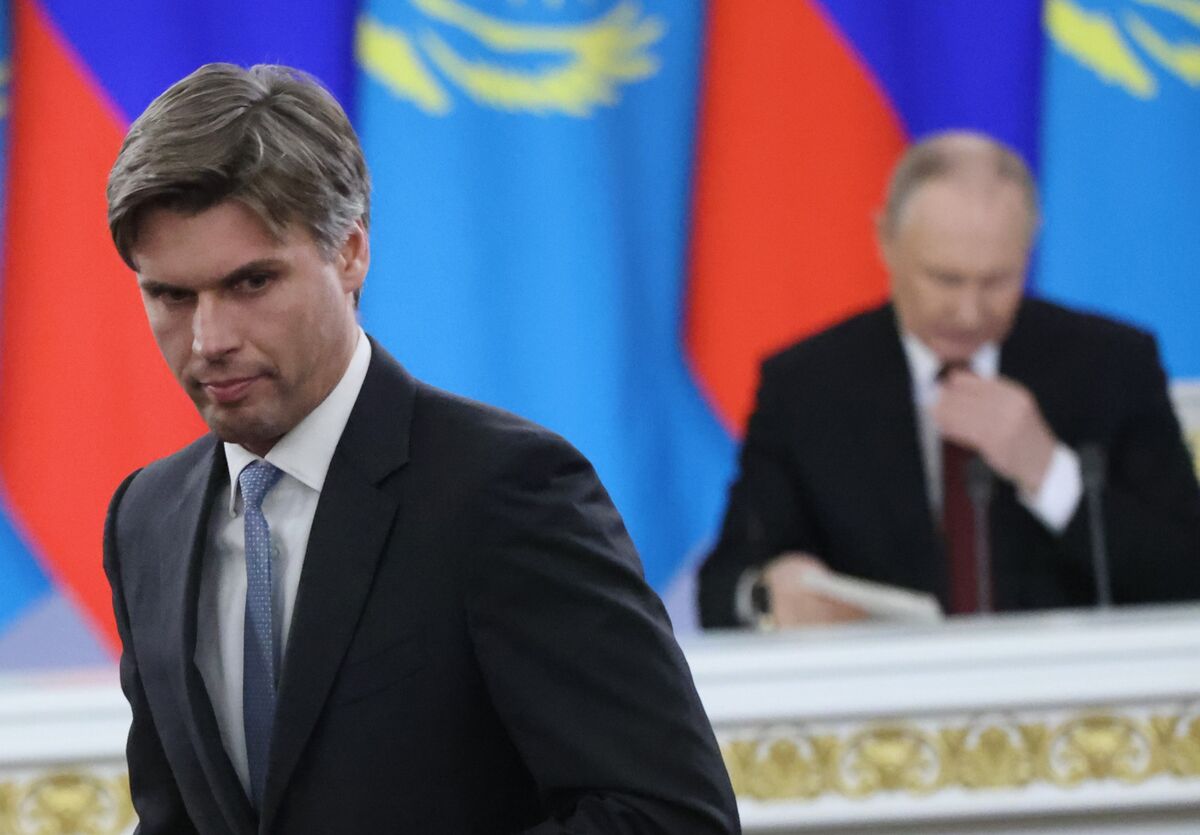
A mishap at the Baikonur cosmodrome has dealt another setback to Russia's state space program, casting doubt on the agency's planned revival and the ability of the country's top space official to deliver promised reforms. The incident raises operational and reputational risks for Russian launch services and related defense and commercial satellite programs, potentially disrupting future launch schedules and complicating international partnerships.
Market structure: The Baikonur mishap is a negative shock to Roscosmos credibility and will likely accelerate load-shifting to non-Russian launch providers (SpaceX, Rocket Lab, Arianespace/ESA, China/ISRO). Expect 6–12 month reallocation of ~10–25% of Russia-remaining commercial/CIS launches to alternate vendors, increasing pricing power and backlog for scalable Western/ANZ players while further shrinking Roscosmos revenues and increasing sovereign funding needs.
Risk assessment: Tail risks include further high-profile failures or political escalations that trigger export controls (weeks–months) and a protracted loss of Russian access to foreign components (quarters–years). Immediate impact (days) is reputational; short-term (0–6 months) is higher insurance premia (20–50% spike on affected launch segments) and FX stress for RUB; long-term (1–3 years) is structural market share loss for Russia plus accelerated consolidation among suppliers.
Trade implications: Winners: RKLB, MAXR, NOC, LMT, and aerospace/defense ETFs (ITA/XAR); losers: Russian aerospace names, some commercial aviation exposure (BA) and Russian sovereign/credit. Cross-asset: RUB depreciation, higher Russian sovereign yields, elevated volatility in aerospace equity options; insurers (AIG, AJG) face liability re-pricing. Strategies should favor short-dated hedges around investigative milestones and convex long exposure to scalable launch/satellite suppliers.
Contrarian angles: Consensus that SpaceX captures all displaced demand underestimates capacity constraints and regulatory export limits; mid-cap pure-plays (RKLB, MAXR) may be underpriced relative to future contract capture. Historical precedent (post-Columbia) shows commercial suppliers can capture durable share but only after 6–18 months; unintended consequence: higher regulatory scrutiny could slow contract awards and compress near-term upside.
AI-powered research, real-time alerts, and portfolio analytics for institutional investors.
Request DemoOverall Sentiment
moderately negative
Sentiment Score
-0.45
