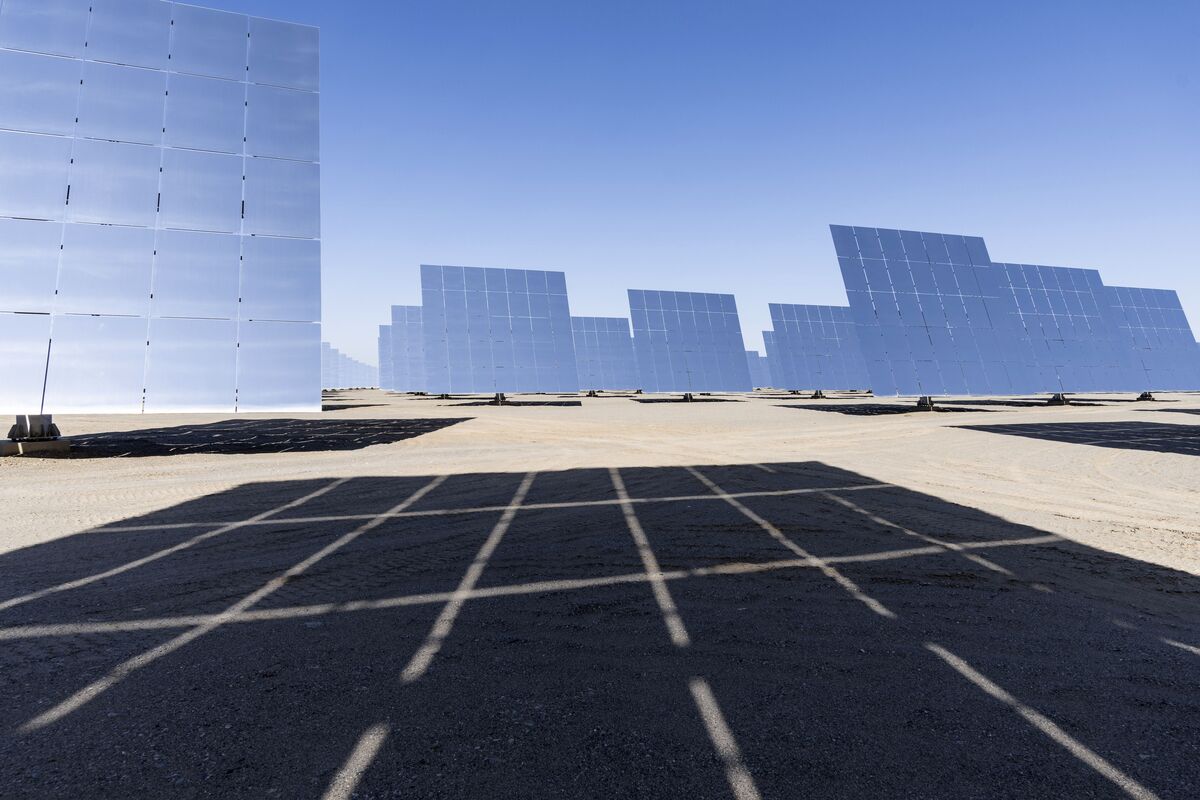
Shandong, China's leading solar province, is addressing a significant grid glut and negative pricing caused by peak midday solar generation by accelerating investment in other renewables and battery storage. This strategic shift aims to manage grid stability and sustain clean energy growth, highlighting increasing opportunities in energy storage solutions and diversified renewable portfolios for regions facing similar intermittency challenges.
The province of Shandong, China's largest solar power generator, is facing a significant grid management challenge due to an oversupply of electricity during midday hours. This glut has resulted in increased curtailment rates and periods of negative power prices, directly impacting the profitability and viability of solar generation assets. In response, provincial policy is shifting to accelerate the development of battery storage and other renewable energy sources. This strategic pivot highlights a critical bottleneck in the renewable energy transition: as solar capacity grows, the lack of adequate storage and grid flexibility tempers further expansion. The situation in Shandong, a $1.4 trillion economy, serves as a leading indicator for other markets with high solar penetration, signaling that future growth in the clean energy sector will be increasingly dependent on ancillary solutions like energy storage rather than pure generation capacity.
AI-powered research, real-time alerts, and portfolio analytics for institutional investors.
Request DemoOverall Sentiment
mildly negative
Sentiment Score
-0.25
