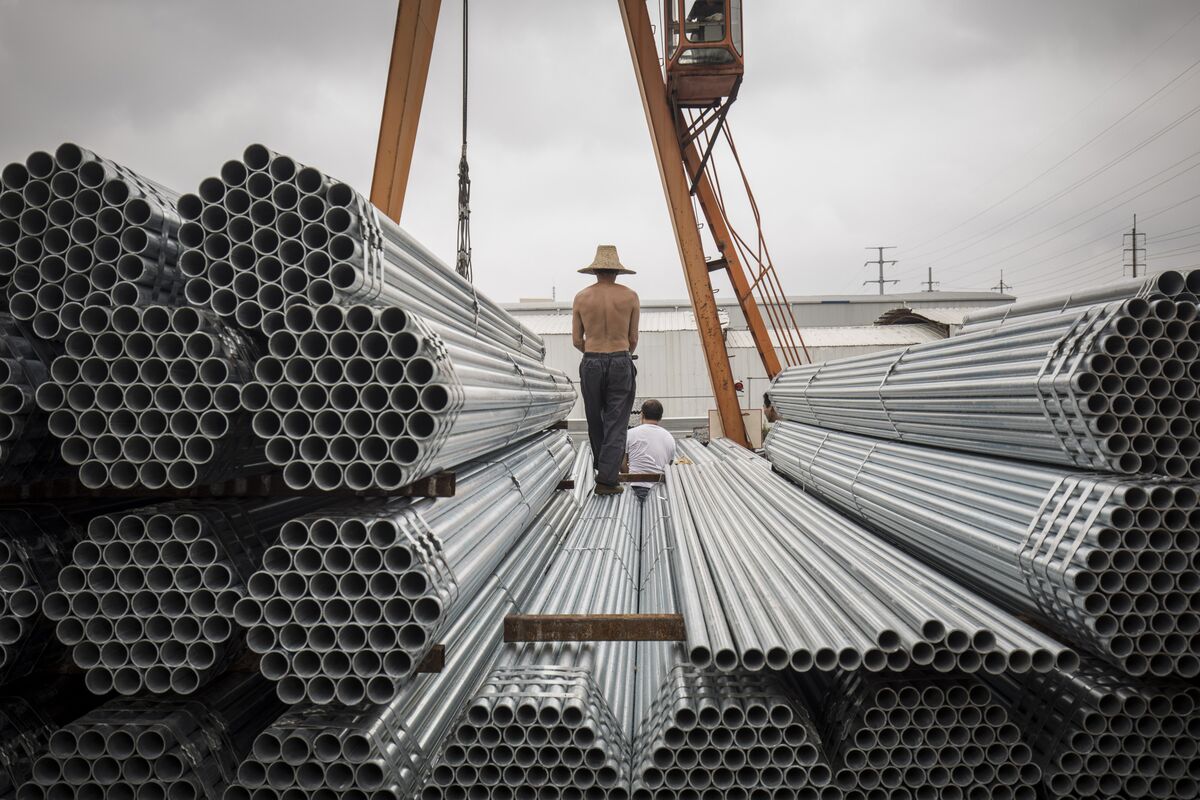
China's Q2 steel exports surged to a record 30.7 million tons, an 11% year-over-year increase, defying global protectionist measures and surpassing a decade-old peak. This robust performance, contributing to a 9% rise in first-half tonnage, underscores China's persistent export strength in the face of trade barriers and carries implications for global steel market dynamics.
China's steel sector demonstrated significant export strength in the second quarter, with shipments of finished steel reaching a record 30.7 million tons. This represents an 11% increase year-over-year and surpasses a previous quarterly peak established a decade ago, signaling a substantial acceleration in outbound volumes. The trend is further confirmed by a 9% rise in total tonnage for the first half of the year. Critically, this export surge has occurred despite the implementation of widespread protectionist trade measures across Asia and Europe. The resilience of these export flows from the world's largest producer suggests that China's production capacity continues to outpace domestic demand, creating a structural surplus that is being absorbed by global markets, which will likely intensify competitive pressures on international steelmakers.
AI-powered research, real-time alerts, and portfolio analytics for institutional investors.
Request DemoOverall Sentiment
strongly positive
Sentiment Score
0.70
